Pull the dashi
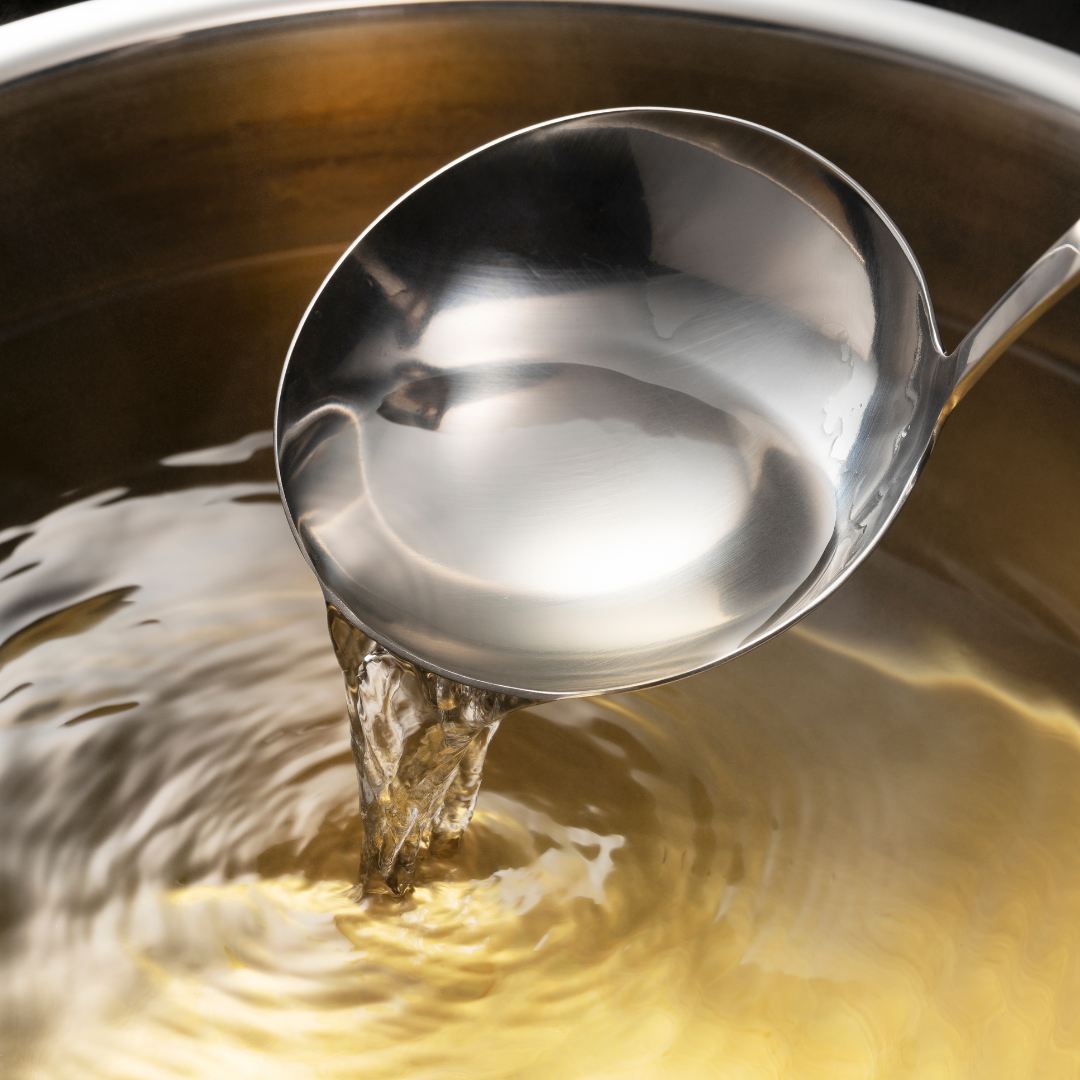
put the ingredients in water and leave it for a day, and that is enough to extract the dashi. If it is not enough, simmer it slowly to make an even more delicious dashi. It has a richer umami than the first dashi extracted with residual heat and can be used in a variety of dishes.
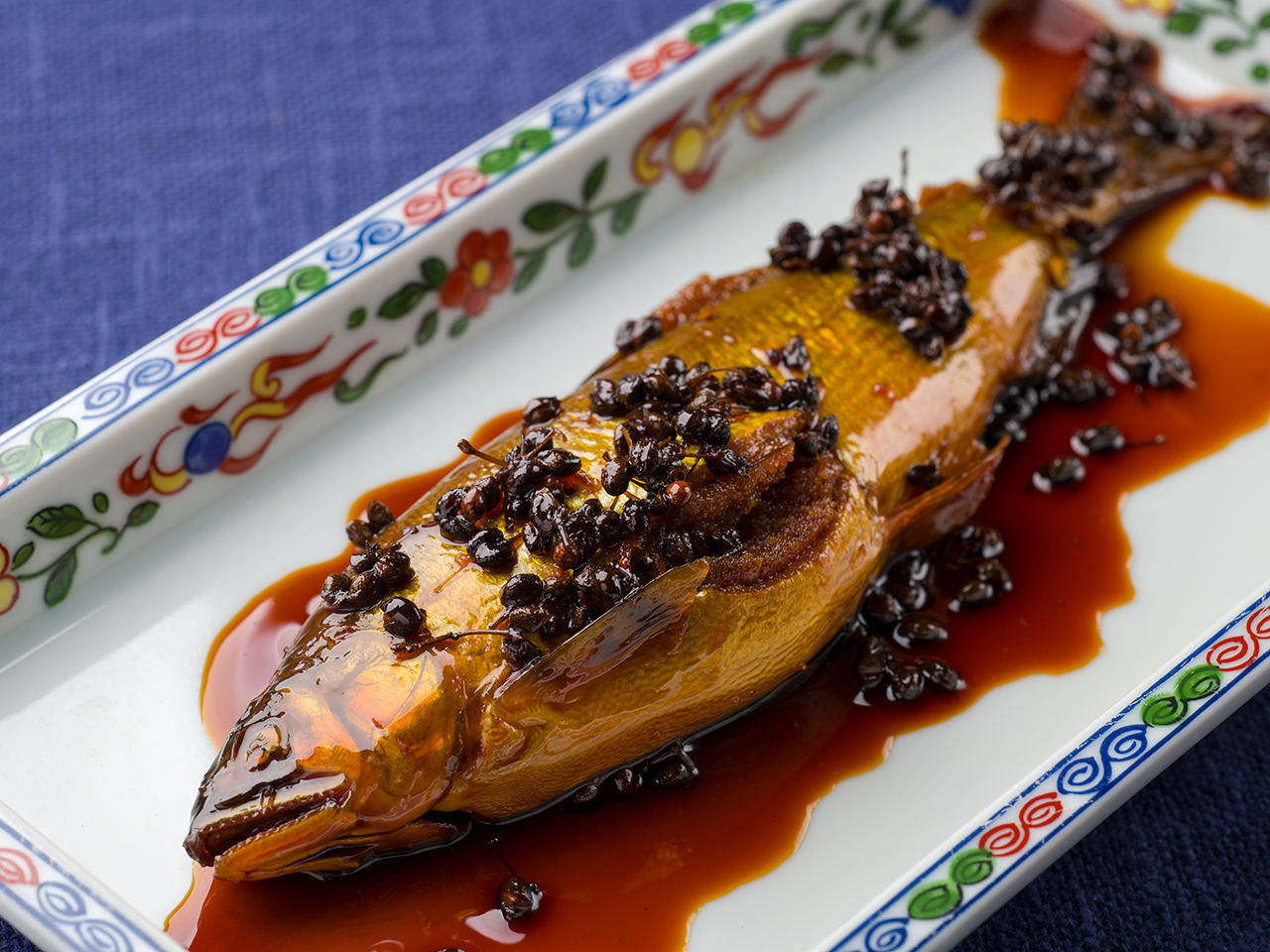
On the other hand, choose the best quality ingredients you can and use them completely in your cooking. For example, the kelp used for dashi can be used to make tsukudani (simmered food), and the dried sardines can be used in miso soup.
"Rather than buying cheap things and throwing them away, buy good things and use them all" - this is the basic principle of cooking.

[How to make bonito stock] Combine water and kelp in a pot and leave for a day. (Even at this stage, the stock is delicious. It is easier to use if you put it in a pot and store it in the refrigerator.)

Add bonito flakes to [1] and bring to a boil

After simmering for about 10 minutes, gently skim off the scum, apply pressure from above and strain through a cloth

[How to make niboshi dashi] Remove the head and belly parts of the niboshi with your fingers. (This will help reduce the fishy smell and unpleasant flavors.)

Place the sardines (heads and guts removed) and kelp in a pot and leave for a day. (You will notice that the sardines that were floating in the pot will sink after a day. This is proof that the stock has already been released.)

Bring the pot (5) to a boil and simmer for about 10 minutes, then apply pressure from above and strain through a kitchen towel

The bonito stock is darker in color, while the dried sardine stock is clear

-
[Bonito stock]
- Bonito shavings
- 40g
-
- kelp
- 10g
-
- water
- 2 liters
-
[Sardine stock]
- dried sardines
- 40g
-
- kelp
- 10g
-
- water
- 2 liters
Everyone'sアレンジ recipes: Here are some variations that people are making!

Take a professional recipe, adapt it to your own style, and
share it with everyone!