Chef Profile
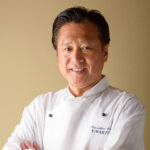
Chef Tomoyoshi Wakiya (Chinese cuisine )
Tomoyoshi Wakiya
, born March 20, 1958, in Ashibetsu City, Hokkaido,
is a Chinese chef who has appeared on numerous media outlets, including NHK's "Today's Cooking." He currently owns and operates four restaurants in Tokyo and Yokohama. His cuisine is based on Shanghai cuisine and is characterized by its use of abundant seasonal ingredients, making it gentle on the body. His
cooking is both bold and delicate, and he has many fans for bringing out the best in the ingredients.
Born in Sapporo City, Hokkaido in 1958.
Recipient of the Contemporary Master Craftsman Award in 2010
and the Yellow Ribbon Medal in 2014.
Vice Chairman of the All Japan Food Society.
Wakiya Issei Micharo
, born March 20, 1958, in Ashibetsu City, Hokkaido,
is a Chinese chef who has appeared on numerous media outlets, including NHK's "Today's Cooking." He currently owns and operates four restaurants in Tokyo and Yokohama. His cuisine is based on Shanghai cuisine and is characterized by its use of abundant seasonal ingredients, making it gentle on the body. His
cooking is both bold and delicate, and he has many fans for bringing out the best in the ingredients.
Born in Sapporo City, Hokkaido in 1958.
Recipient of the Contemporary Master Craftsman Award in 2010
and the Yellow Ribbon Medal in 2014.
Vice Chairman of the All Japan Food Society.
Chef Profile
Wakiya Issei Micharo. This restaurant, owned by Wakiya Tomoka, is also known as the flagship store of the Wakiya group. In short, this is a space that will make guests feel "brilliant."Once you step into a hideaway house that is also a hiding place in a back alley in Akasaka, you will be amazed by the amazing, moist yet gorgeous atmosphere and the hospitality of the staff.
The first time I visited this restaurant was at the "Ingredients Research Group," which Chef Wakiya has been doing on a regular basis for many years.
The banquet is held on the theme of seasonal ingredients and is particular about production areas, and is filled with guests from Chef Wakiya, who are looking forward to it, and a thrilling dinner time begins at each table, tailoring to the reservation time of each customer.
The dishes are based on Shanghai cuisine, each dish makes use of seasonal ingredients, and each dish is characterized by a delicate flavor with a detailed work. The dish, known as the flag bearer of Modern Chinese, advocates a "harmony of the five flavors (sweet, bitter, sour, salty, and delicious)," and is served with small, beautiful portions rather than the preconceived Chinese cuisine, allowing guests to taste a wide variety of ingredients while not aware of it.
After a while, Chef Wakiya appears.
As they slowly wandered around each guest's table, they made their turn to smiles and cheers on to both long-time customers and visitors.
In the first place, Chef Wakiya is often seen in the media, but this "chef's greeting" is reminiscent of a scene from a movie.
The show performance, including herself, is a unique style of Wakiya, which has been sublimated to "eating = enjoying," and the moment when you exchange words with the chef will surely become an important memory of dinner.
At the end of the meal, enjoy the aftertaste with carefully selected Chinese tea, one of Wakiya's specialty.
A moment on the day of "Hare".
Chef Wakiya was born on March 20, 1958 in Sapporo, Hokkaido.
As has been mentioned in several media outlets, the first encounter with cooking was made in fried rice that he made for his mother, who was prone to illness when he was a child. He said that the fried rice his father made was not tasty so he wanted to make it himself, but this episode made me think of Wakiya's appearance heartwarmingly. He also says that he still cooks while thinking, "What would my mother think if she had eaten this?" There's a son that her mother loves.
Eventually, Wakiya, who has decided to pursue a career in cooking, begins his training at Sanno Restaurant in Akasaka, Tokyo, at Tokyo Hilton Hotel and Capitol Tokyu Hotel. The chef was found there, and served as executive chef at Lee Sent Park Hotel in Tachikawa, Tokyo, and was appointed by French chef Ishinabe Yutaka, and in 1996 he became the CEO of Turandot Yusenkyo.
In 1997, he also served as the executive chef of Chinese cuisine at Pan Pacific Hotel Yokohama (now Yokohama Bay Hotel Tokyu), and in 2001 he opened "Wakiya Ichiemicharo" in Akasaka, Tokyo, where he served as the owner and chef.
A history that conveys the image of a boy who loves his mother.
As a pioneer of Modern Chinese, which incorporates elements of French cuisine into Chinese cuisine, she treats guests with a shiny smile.
The motto is "not too prominent and not too stiff."
When Chef Wakiya enters the kitchen, he suddenly shows a harsh look on his face as a chef and owner. This is something that really matters about our ingredients and our cooking, but we, the young staff at EpiRecipe, were more nervous than ever on the first day.
Eventually, the tension eased, and as I was able to film and write down recipes as usual, I began to see the "real" style of chef Wakiya cooking. The pot is undoubtedly fast and a plate is ready in no time, but if you look closely, you can see that a piece of meat is cooked slowly and incredibly carefully, as if to be honest. The seasonings are just a little bit. It's only natural that you can use the flavor of the ingredients to the very best, and determine the moment, and it's "as expected."
Chef Wakiya Tomoku will be the third person to appear in the epi recipe.
Along with Italian foodman Kataoka Mamoru and Japanese foodman Tamura, he is known as the outstanding craftsman, "Modern Master Craftsman." What the three chefs have in common is their view of being considerate of ingredients and not "infusing too much" flavor. It can be said to be the secret to enjoying the true flavor of ingredients.
If you would like to read and try making an epi recipe, why not use this as a reference?
Article: Ryuzoji Temple Crow