The World of Eel - Introducing the characteristics, nutrition and recipes that utilize eel as freshwater fish
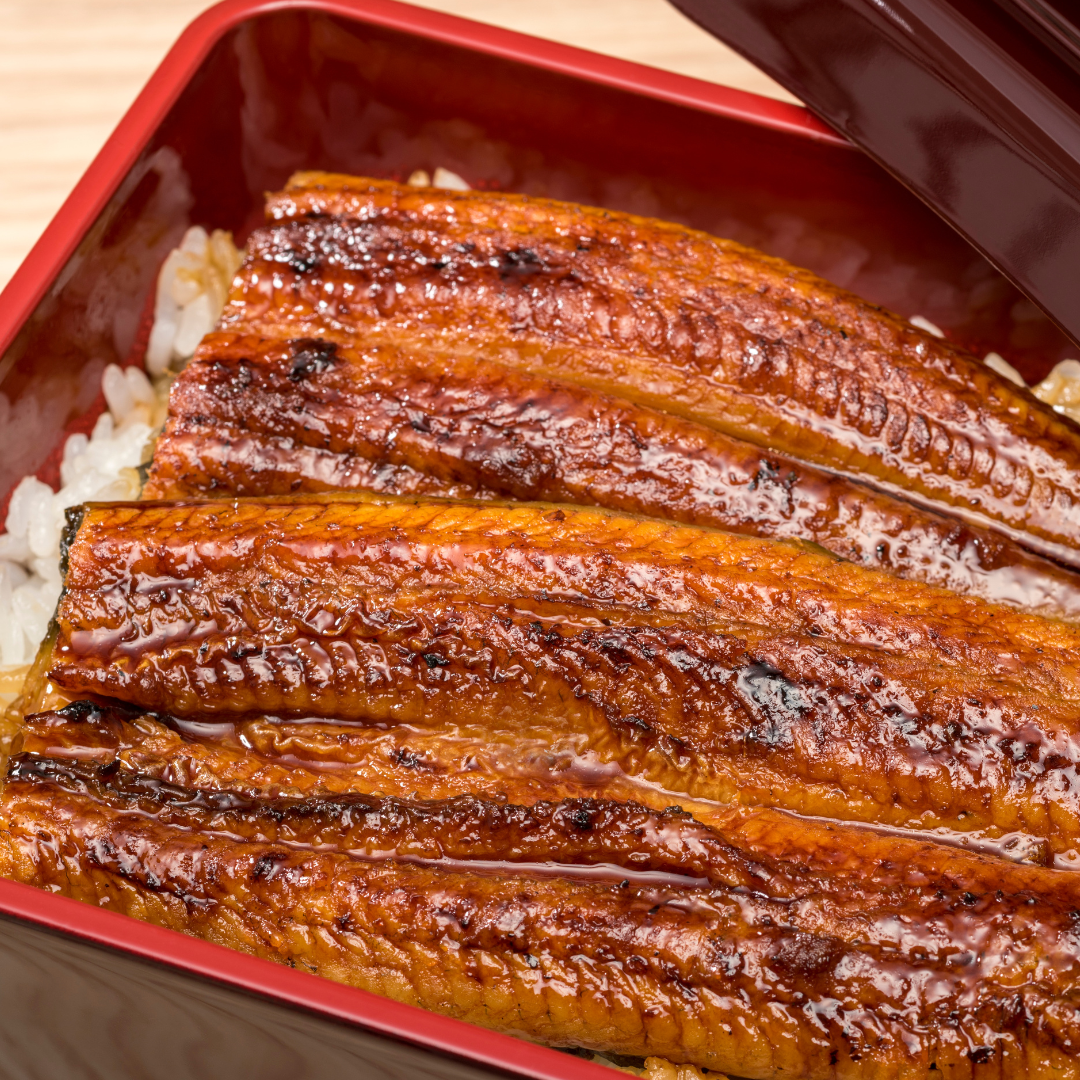
Eels are one of the most widely shipped freshwater fish. Most are farmed, with very few wild-caught eels. They are generally sold alive or split
table of contents
Seasonality and how to choose
Eels are normally in season in the summer, but are now available all year round. When purchasing eels, it is important to choose live ones
Nutritional value
Eel is rich in protein, fat, and vitamin A. The liver in particular is considered a treasure trove of vitamin A and is highly nutritious
How to eat
When it comes to eel, kabayaki is the standard, but unglazed eel is also very delicious. In Western cuisine, young eels can also be simmered in wine or olive oil
cultural background
Historical Description
In Japan, eels are first recorded as "munagi" in the Nara period Man'yoshu, an anthology of poems written in the Kana style. In the Amagasaki edition of the Man'yoshu, digitally published by Kyoto University, "munagi" is written in kana as "munagi." The word "unagi" first appeared around the time of the Insei period and has since become established
dialect
In the Kinki region, it is sometimes called "mamushi."
Episodes from the Edo period
The Edo period short story "Yakukan" tells a pun about eels. Also, in the opening scene of a rakugo story, eel dishes appear, and there is an episode in which the characters are surprised by how delicious they are
Eel fishing methods
Eels are caught using longlines, angling, and shoal fishing. Bottom longline fishing, which is done in rivers and lakes, is the most common. Eels are also caught using hole fishing, where they are caught using bait such as earthworms, loaches, and pond snails. Traditional eel fishing methods remain in place in various regions
Eel is loved by many people for its unique texture, flavor, and high nutritional value. This fish, deeply rooted in history and culture, will likely continue to be an essential part of our diets for years to come
Introducing recommended recipes using eel
Steamed eel and lotus root
Ingredients (serves 4)
- Grilled eel: 2 pieces
- Lotus root: 300g
- Grated ginkgo potato: 2 tablespoons
- 8 ginkgo nuts (boiled and peeled)
- Ginger (grated): as needed
- potato starch, salt
How to make it
- Cut the kabayaki in half. Peel and grate the lotus root, wrap it in a dish towel and squeeze it. Mix the ginkgo yam, egg white, 2 tablespoons of potato starch, and a little salt, and combine with the grated lotus root
- Place the kabayaki in individual serving bowls, top with equal amounts of grated lotus root, and steam in a steamer for 15 minutes
- Prepare the ginger by grating it and peeling the ginkgo nuts
- Once steamed, top with ginger and ginkgo nuts and it's done
Simmered eel with kabayaki sauce
Ingredients (serves 4)
- Grilled eel: 2 skewers
- Grilled kabayaki sauce: 2 packets
- Alcohol, sugar
How to make it
- Remove the skewers from the grilled eel without breaking it up, and cut into 2cm wide pieces
- Drain the oil from the deep-fried tofu, then cut into 1.5cm pieces
- Cut the mitsuba from the base and cut into 3-4cm lengths
- Heat kabayaki sauce, 1 cup water, 2 tablespoons sake, and 1 tablespoon sugar in a pot
- Once hot, add the fried tofu
- Once boiling, add the eel and simmer over low heat for 3 to 4 minutes
- Sprinkle with mitsuba and bring to a boil again, then turn off the heat and serve in a serving dish
These recipes use grilled eel to allow you to enjoy traditional Japanese flavors. The steamed dish features the crisp texture of lotus root, which is perfectly matched with the tenderness of the eel, while the simmered dish's deep flavor of the grilled eel sauce brings out the deliciousness of the eel. Each recipe offers a unique texture and flavor, making it an excellent eel dish

Related Articles
Savor the flavors of the season: The appeal of bamboo shoots and recommended recipes
We also introduce recommended luxurious caviar recipes to enjoy at home!
Potatoes and a wide variety of recipes

Perfect for Valentine's Day! Introducing Truffle Chocolate

Don't let the flavor of the meat go away! Tips for making juicy hamburger