History and Culture of Horse Mackerel: The World of Horse Mackerel, Deeply Rooted in Japanese Food Culture
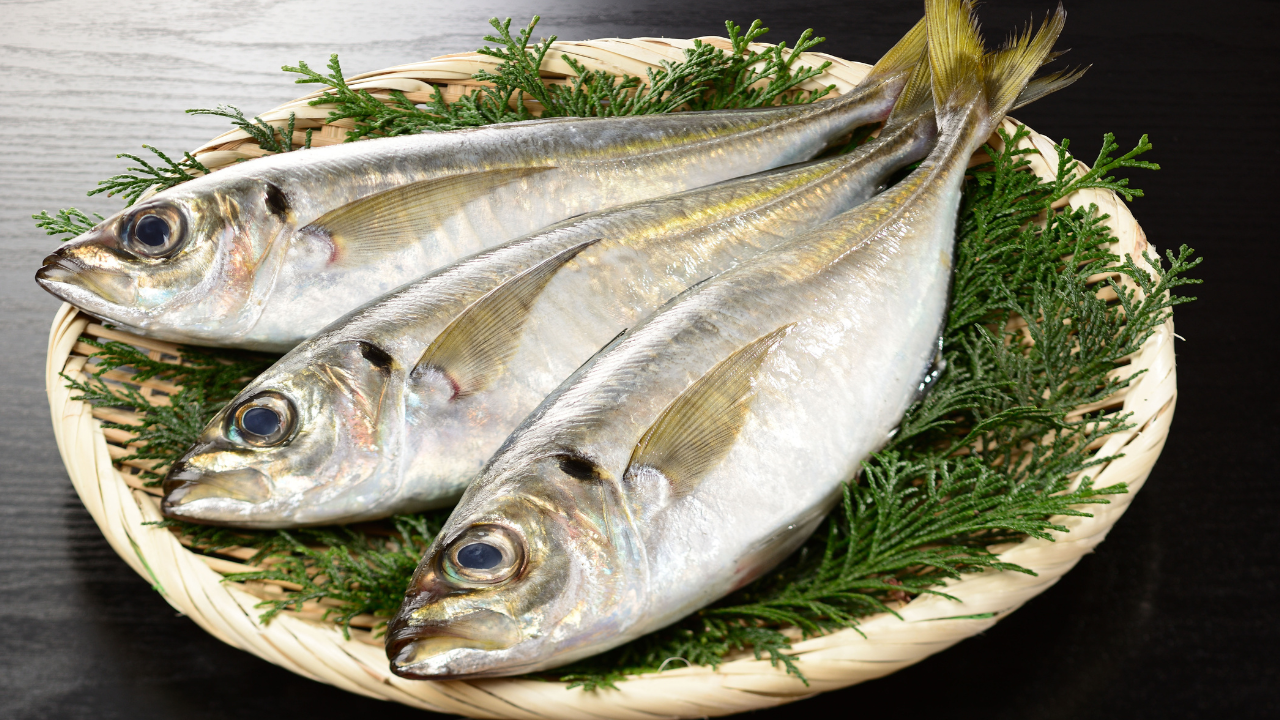
table of contents
History and origin of fish names
Horse mackerel, also known as aji, is a fish that is deeply rooted in Japanese food culture. Its name has been changed in different times and regions
For example, the Imperial Museum Fish Specimen Catalog (1897) states that horse mackerel can be found in Hokkaido, Sado, Niigata, Tokyo Market, etc. Additionally, the Wakan Sansai Zue (1712) uses the word "aji," and "horse mackerel" is pronounced "aji," with the sound "sou" also being related
In the Edo period book "Gyokan" (1831), the character for horse mackerel (aji) is read as "shin," and there is a theory that it came to be called "aji" because it means "good taste."
This name was widely used in places like Tsukiji Market in the 1980s. Furthermore, since horse mackerel is in season during the third month of the lunar calendar, there is also a theory that the character "aji" (horse mackerel) represents "san" (March)
Characteristics and ecology of horse mackerel
Horse mackerel are widely distributed from Hokkaido to the southern coast of Kyushu, the Seto Inland Sea, Yakushima, Tanegashima, etc. They are particularly common in the Sea of Japan, the East China Sea, and the Pacific coast, and are also found in small numbers in the Yellow Sea, the Bohai Sea, the entire coast of the Korean Peninsula, Taiwan, the coasts of the East China Sea and South China Sea, and Hainan Island
Their spawning season runs from January to November, with peak spawning season occurring from January to May in western Japan and from May to July in eastern Japan. They are known to feed on shrimp, plankton, juvenile sardines, and polychaetes
There are two types of horse mackerel: black horse mackerel (kuroaji) and yellow horse mackerel (yellow horse mackerel). Yellow horse mackerel have a yellowish back and are rich in fat, living in shallow coastal waters. In contrast, black horse mackerel migrate offshore and are characterized by their slender body shape and low fat content
Local and market names
Horse mackerel goes by a variety of names in different regions. Regional and market names have a long history, and each region has its own unique name. These names reflect the culture, history, and relationship to horse mackerel in that region
Recommended recipes for horse mackerel
Here are some recommended recipes using horse mackerel
Horse mackerel simmered in vinegar
- material(4-6 servings, 180kcal):
- Horse mackerel: 8
- Apple cider vinegar: 1 cup
- Ginger (thinly sliced): 5-6 pieces
- Soy sauce, sugar, sake
- Cooking Instructions:
- Remove the scales from the horse mackerel, wash the innards and gills, and wipe off the water
- Put apple cider vinegar and 3 cups of water in a wide pot, add the horse mackerel and ginger, cover with a drop lid, bring to a boil, then reduce heat to low and simmer for about an hour
- Discard the broth, add 1/2 cup soy sauce, 5 tablespoons sugar, and 3 tablespoons sake, then cover with a drop lid and simmer over low heat for about 30 minutes. Simmer until the liquid has evaporated, then serve in a serving dish and garnish with kinome leaves
Horse mackerel fresh green vinegar
- material(4 servings, 140kcal):
- Horse mackerel for sashimi: 4 fish (approx. 600g)
- Cucumber: 1
- Myoga: 1 piece
- Salt, vinegar, sugar
- Cooking Instructions:
- Fillet the horse mackerel, remove the belly bones, remove the small bones from the blood vessels, peel the skin, sprinkle with salt to firm the flesh, sprinkle with vinegar and wipe away the liquid
- Thinly slice the myoga ginger, boil it lightly in hot water, then mix it with vinegar, sugar, and salt to pickle
- To make the Shinryoku vinegar, grate the cucumber, drain the liquid, add the seasonings and mix
- Make incisions in the horse mackerel, cut it into pieces, place it in a bowl, pour over the fresh green vinegar, garnish with myoga ginger, and top with red onions
Horse mackerel nanbanzuke
- material(4 servings, 270kcal):
- Small horse mackerel: 12
- Onion (large): 1
- 2 bunches of thin green onions
- Red peppers: 2
- Rice vinegar, sugar, salt, soy sauce
- Salt, flour, frying oil
- Cooking Instructions:
- Remove the scales from the horse mackerel, remove the gills and intestines, wash, and pat dry
- Make the Nanban vinegar. Thinly slice the onion, cut the green onion and red chili pepper into rings, add the rice vinegar, sugar, salt, soy sauce and water and mix
- Sprinkle salt on the horse mackerel, coat with flour, fry in oil at 160°C, then soak in Nanban vinegar and leave for 30 to 40 minutes
summary
Horse mackerel, with its rich flavor and rich nutrition, is an essential fish in Japanese food culture. The origin of its name and the local names it is called reflect the history and culture of each region of Japan. It can also be said that its ecology and characteristics represent the diversity of Japan's natural environment

Related Articles
Savoring Japan's Seafood: Various Types of Crab and Recommended Recipes
Explaining the history, nutrition, and appeal of pumpkins!
Start a healthy life with okara: Simple recipes for delicious nutrition
How to eat Oka Hijiki: How to enjoy deliciousness and health
Chicken: We introduce the characteristics of each part of chicken and recommended recipes that make use of each of the characteristics!