Endive: The appeal of flavorful vegetables in winter and how to eat them
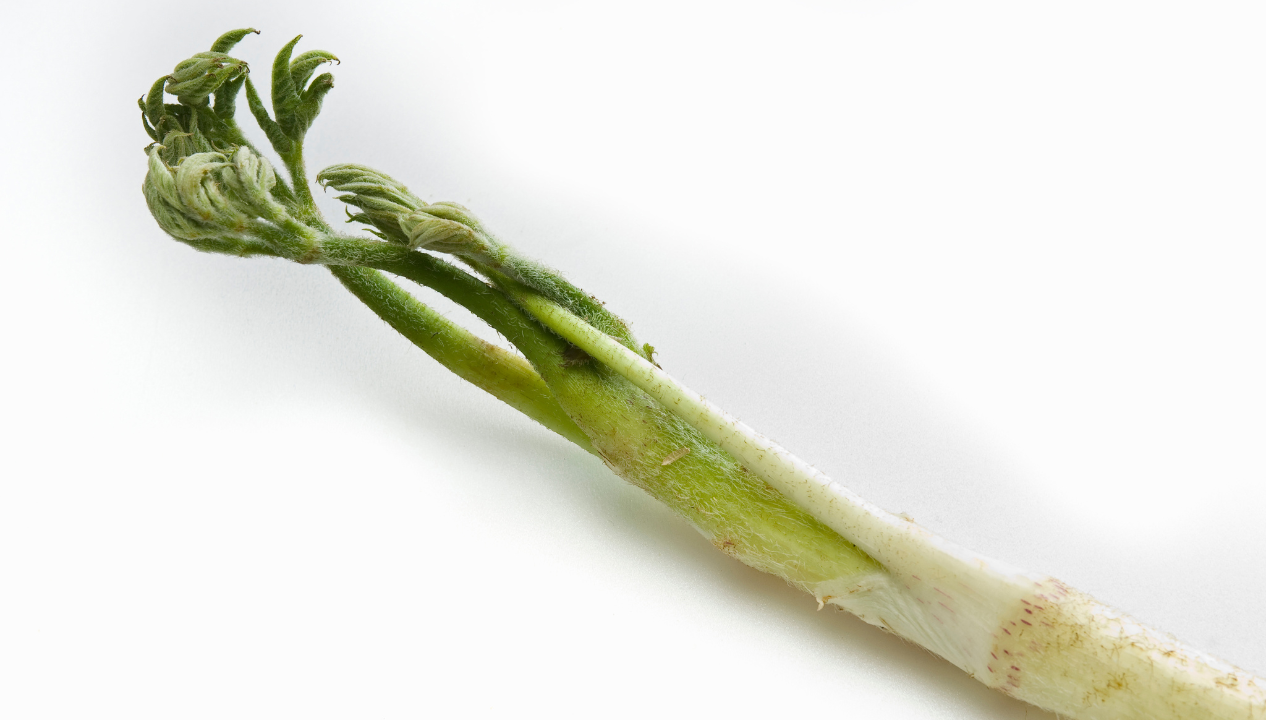
table of contents
Endive: Introducing a flavorful winter vegetable
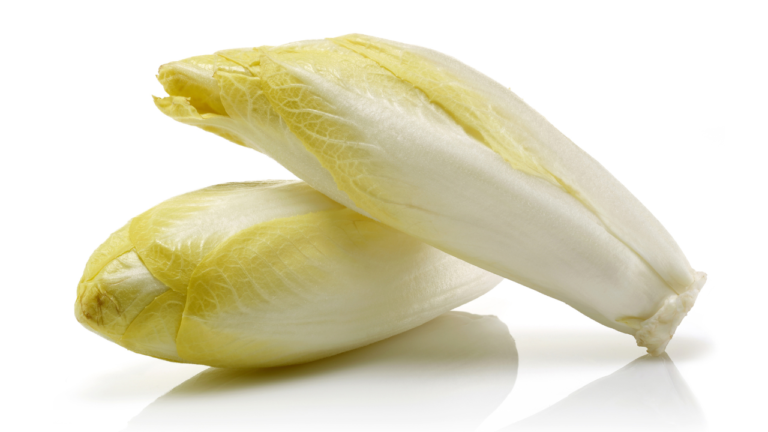
Endive is a member of the chicory family and is known in Japanese as "Nigachisha" or "Kikujisha." It was introduced to Japan during the Edo period, but it is said that it was initially cultivated primarily for its ornamental flowers. A unique method is used to cultivate endive in order to reduce its characteristic bitterness
Two to three weeks before harvest, the tops of the leaves are tied together to protect the inner leaves from light, leaving the outer leaves green while the inner leaves are white. This cultivation method gives endive its characteristic appearance
Seasonality and how to choose
Endive is available almost all year round, but it is in winter that it is soft and flavorful. Winter endive grows leaves that spread out on the ground, while summer endive grows upright. When choosing endive, look for ones that are fresh all the way to the tips and have a lot of white in the middle
Nutritional Value Endive is relatively rich in carotene and vitamin C. Its healthy nutrients make it a great addition to a varied diet
Eating ideas
Endive is commonly eaten raw in salads, where it pairs perfectly with a dressing containing crispy bacon, or it can be enjoyed fried in butter with a touch of pepper
Cultivation characteristics: To reduce the endive's distinctive bitterness, a special cultivation method is used: 2-3 weeks before harvest, the leaves are tied together to block out light, which allows the green exterior to develop into a white interior
Refreshing endive and squid salad
This refreshing salad made with endive and squid has a clean taste. The bitterness of the endive and the texture of the squid are perfectly combined, making it a perfect dish for any meal. This recipe, made with seasonal ingredients, can be enjoyed on a variety of occasions
Materials needed
- Endive: 120g
- Squid (for sashimi): 200g
- Grated wasabi: 1 1/2 teaspoons
- soy sauce
- vinegar
- salt
- Pick it
- Salad oil
How to make it
- Tear the endive into small pieces
- Cut the squid lengthwise into pieces about 3cm wide, then cut into thin strips
- Put the wasabi in a small bowl, add 1 1/2 teaspoons of soy sauce and dissolve. Add 2 tablespoons of vinegar, a little salt, pepper, and 4 tablespoons of salad oil and mix well
- Put the squid in a bowl, add ③ and mix well. Add the endive and mix well, then serve on a plate
If you can't get hold of sashimi-grade crested squid, you can substitute other squid. Adjust the amount of wasabi and the balance of seasonings to your liking to create a dish that suits your taste
summary
Endive is a vegetable related to chicory, and while it has a distinctive bitter taste, it has a rich winter flavor. It is also highly nutritious and can be used in a variety of dishes, so why not try incorporating it into your dinner table?

Related Articles

Reproduction recipe: Introducing a recipe for hashed rice cakes bacon cheese!
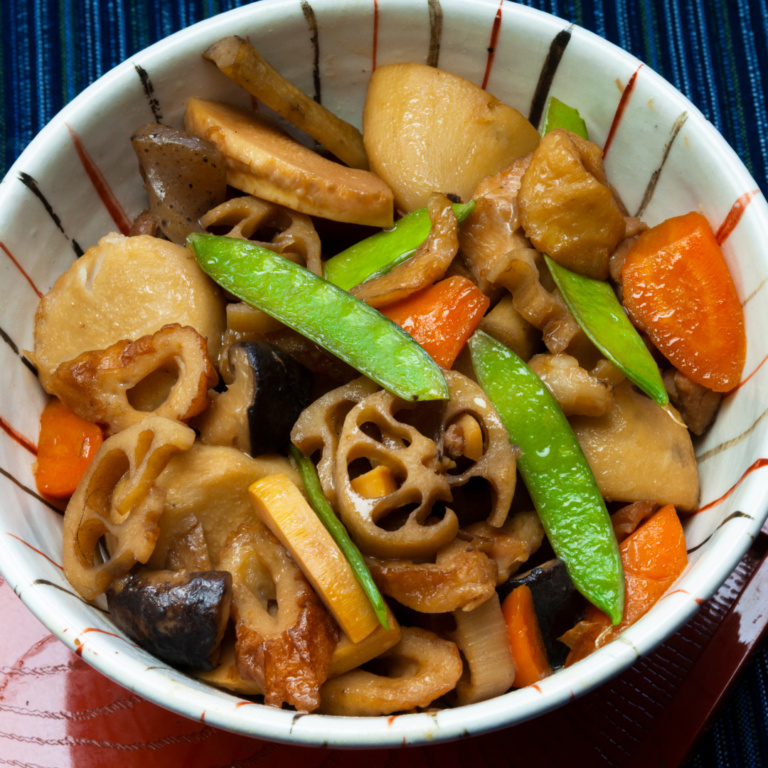
Introducing Chikuzenni recipes using spring root vegetables!
Introducing chicory, a versatile ingredient that spreads from Europe to Asia and Africa!
Daikon: A variety of vegetables essential to Japanese food culture
Potatoes and a wide variety of recipes