A fresh spring recipe that lets you enjoy the charm of bamas and seasonal flavors
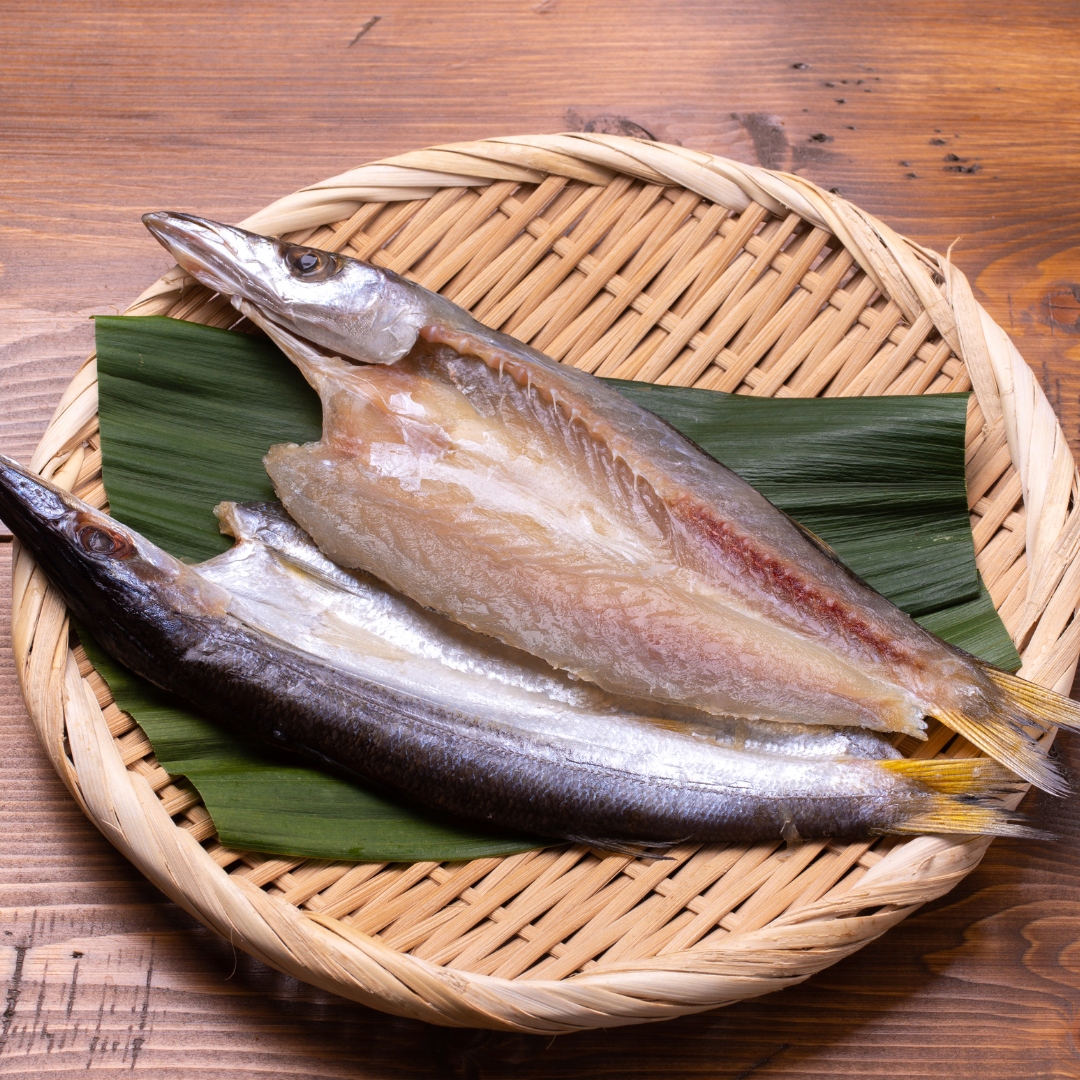
table of contents
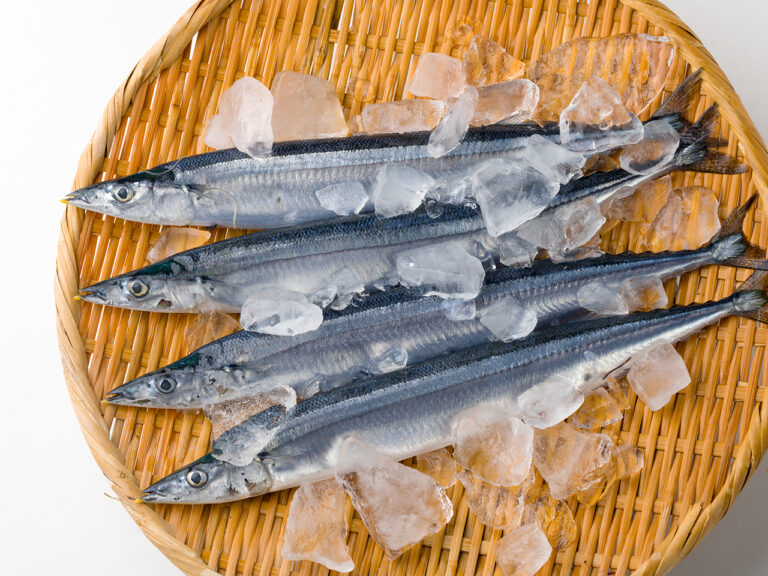
The charm and seasonal flavor of barracuda
Barracudas are a diverse fish of the Perciformes family, with species such as the red barracuda and the Japanese barracuda being particularly popular in Japan. They are found in a wide range of oceans around the world, including the Pacific, Atlantic, and Indian Oceans, and are therefore known as a relatively inexpensive fish to obtain. However, there are some points to note about barracudas, not just their appearance and characteristics, but also their taste
The unique shape and origin of the name
The most distinctive feature of the barracuda is its long, slender body shape. Its wide-open mouth has a slightly protruding lower jaw, and in Japan, this shape resembles a large bag called "kamasu," hence the name. It also has sharp teeth and an aggressive nature, so care must be taken when fishing for it
The taste of barracuda and misconceptions
There is a misconception that barracuda is "unappealing," but what does it actually taste like? Barracuda is characterized by its soft white flesh, which is slightly watery, but its deliciousness can be brought out by cooking it in a variety of ways, such as grilling it with salt, drying it, or deep-frying it. It can be eaten raw, but opportunities to eat it as sashimi are relatively rare, and it is prized in some regions. When it comes to making sushi, barracuda is commonly made into sushi rolls using barracuda marinated in vinegar
Unique characteristics of the Japanese barracuda
Yamato kamasu is also known as "water kamasu" and is known for having a higher water content than other fish. However, this does not mean that it tastes bad; in fact, it has a rich umami and sweetness. Its flavor is especially enhanced during the fatty season
The deliciousness of barracuda in season
Barracudas are in season twice a year, in summer and autumn. Different species have different seasons, with Yamato barracudas in summer and red barracudas in autumn. Fatty barracudas are especially popular in the market from August to autumn, and you can enjoy their sweet and mellow flavor
Variety of cooking methods for barracuda
Seasonal barracuda is rich in fat and has a deep flavor, so it can be enjoyed in a variety of cooking methods. By drying it, it is possible to reduce its characteristic wateriness and firm up the flesh. You can also enjoy its deliciousness with simple cooking methods such as grilling with salt or deep-frying
Recommended recipes using barracuda
With the arrival of spring, we want to bring a breath of fresh air to our dining table. Today, we'll introduce two dishes that combine the lightness and depth of flavor of spring: "Steamed Tofu and Vegetables" and "Grilled Barracuda with Garlic Flavor."
Steamed tofu and vegetables
Ingredients (serves 4)
- Tofu (firm)...1 block
- Wood ear mushrooms (soaked in water)...4 pieces
- Carrots...a little
- Ginkgo nuts (boiled)...8 pieces
- Ginger (grated)...as needed
- Salt, sake, light soy sauce, sugar, potato starch
How to make it
- First, break up the tofu, boil it briefly in hot water, and squeeze out the water. Cut the wood ear mushrooms and carrots into thin strips, and the ginkgo nuts into round slices
- Mix the tofu with egg white, salt, light soy sauce, sugar, and potato starch, add the vegetables, and divide into 8 equal parts
- Remove the belly bones from the barracuda and remove any small bones, then sprinkle with salt and sake and leave for 30 minutes
- Sprinkle a thin layer of potato starch on the barracuda, wrap it in the tofu and vegetable mixture from step 3, arrange it on a plate and steam for 15 minutes
- Make the silver paste, pour it over the steamed horse mackerel, and top with ginger to finish
This dish has a gentle flavor that brings to mind the arrival of spring. The softness of the tofu and the crunchy texture of the vegetables are a perfect match, creating a hearty and comforting meal
Grilled barracuda with garlic
Ingredients (serves 4)
- Barracuda (small)...4
- 1 clove of garlic
- Powdered cheese...1 tablespoon
- Breadcrumbs...1/2 cup
- Tomato, Italian parsley, lemon... as needed
- Salt, pepper, flour, salad oil
How to make it
- Fillet the horse mackerel into three pieces and season with salt and pepper
- Finely chop the garlic and parsley and mix with the grated cheese and breadcrumbs
- Lightly coat the barracuda in flour and coat both sides with the garlic and breadcrumb mixture
- Heat a generous amount of oil in a frying pan and fry the horse mackerel on both sides
- Place the horse mackerel on a plate and garnish with tomatoes, Italian parsley, and lemon
Grilled horse mackerel with a strong garlic flavor has a crispy texture and a deep flavor. Why not try this rich dish on a sunny spring day?

Related Articles
Introducing recipes that bring out the hidden deliciousness of the extremely popular scallops and their charm!
Pre-made side dishes: Introducing marbled chicken!
Starting with pickled bran to early summer! Introducing easy ways to start fermented foods and recommended containers!
Introducing the appeal of green peas, which are delicious in season, and recommended recipes!
Broccoli: The charm of a nutritious and versatile vegetable