The right cheese can transform your cooking! A thorough explanation of the differences between Parmigiano-Reggiano, Grana Padano, and Pecorino Romano
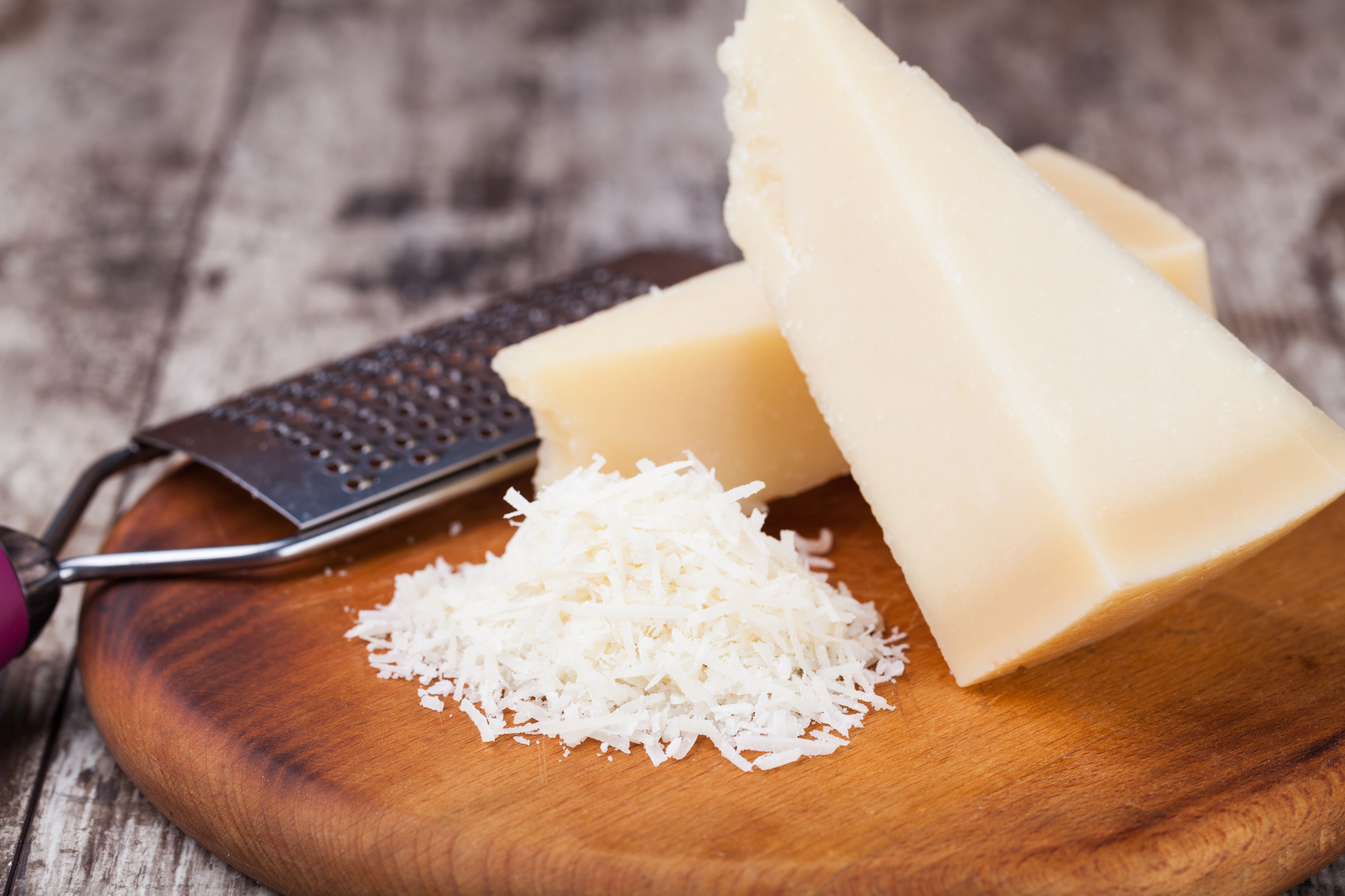
table of contents
- 1
- 2 What exactly is "DOP certified cheese"?
- 3 Comparison of the basic profiles of 3 cheeses
- 4 Parmigiano Reggiano – The King of Cheeses
- 5 Which authentic Italian Parmigiano-Reggiano powder should you choose?
- 6 Grana Padano – A versatile and cost-effective cheese
- 7 Pecorino Romano – The Soul of Roman Cuisine
- 8 Experience the authentic taste with this Parmigiano & Pecorino tasting set
- 9 Quick Reference Guide for Choosing Cheeses for Different Dishes
- 10 Tips for using salty cheeses effectively
- 11 A cheese grater changes the way you cook
- 12 Summary ── When choosing cheese, be mindful of the "origin" of the dish
Have you ever been in a situation where you're faced with a dilemma when choosing between Parmigiano-Reggiano, Grana Padano, and Pecorino Romano in the supermarket's cheese section? They all look like similar hard cheeses, making it difficult to decide which one to use in your cooking
In fact, these three types of cheese are completely different in terms of origin, production method, and flavor. And in authentic Italian cuisine, there is a deeply rooted culture of using specific cheeses for specific dishes. Whether to use Parmigiano or Pecorino in carbonara—even this simple question reveals the profound depth of the world of Italian cuisine
This article provides a practical explanation of three types of hard cheese, from their basic profiles and flavor differences to how to use them in different dishes. After reading this, you're sure to enjoy choosing cheese!
What exactly is "DOP certified cheese"?
The common keyword for these three cheeses is "DOP (Denominazione di Origine Protetta)." This is the EU's Protected Designation of Origin system, which translates to "Protected Designation of Origin" in Japanese
To receive DOP certification, all processes, from sourcing raw materials to manufacturing and aging, must take place within the designated region. In other words, only cheese made in a specific region of Italy using a specific method can be called "Parmigiano Reggiano." It is completely different from the grated cheese called "Parmesan cheese" that is sold all over the world
Simply using authentic cheese with the DOP logo will elevate your home cooking to a more sophisticated level. Be sure to pay attention to the origin and certification marks
Comparison of the basic profiles of 3 cheeses
First, let's take a quick look at a table to compare the three types of cheese
| Parmigiano Reggiano | Grana Padano | Pecorino Romano | |
|---|---|---|---|
| Types of milk | Milk (raw milk) | Milk (raw milk) | sheep milk |
| Origin | Parma, Reggio Emilia, Modena, etc | Po River basin (a wide area of northern Italy) | Lazio, Sardinia, Tuscany |
| Aging period | Minimum 12 months (usually 24 months or more) | Minimum 9 months (Riserva requires 20 months or more) | 5-8 months |
| DOP certified | can be | can be | can be |
| preservative | none | Uses lysozyme (natural enzyme) | none |
| Price range | High | Slightly cheaper | middle |
Although they may look very similar at first glance, each cheese has its own distinct characteristics due to differences in milk type, origin, and aging period. Pecorino Romano, in particular, deserves special attention. sheep's milk , and its unique flavor brings a completely different character to dishes.
Parmigiano Reggiano – The King of Cheeses
Origin and manufacturing method
Parmigiano-Reggiano is only permitted to be produced in a limited area of northern Italy: Parma, Reggio Emilia, Modena, Bologna, and Mantua. As befits its title as the "King of Cheeses," its production method is extremely strict
In the manufacturing process, milk from the previous evening and the current morning is combined, and some of the milk fat is removed. Lactic acid bacteria and rennet (a milk-clotting enzyme) are added to this to make curd, which is then placed in molds and pressurized and dehydrated. After that, it is soaked in a high-concentration salt solution to absorb salt, and then slowly aged in a long-term maturation chamber
As the cheese matures, amino acids crystallize, creating that unique gritty texture. This is a defining characteristic of Parmigiano cheese
Flavor characteristics
The minimum aging period is 12 months, and most of the wines commonly available on the market have been aged for 24 months or more. As it ages, the flavor becomes more complex, developing from refreshing aromas reminiscent of herbs and citrus fruits to a rich, fruity taste like hazelnuts
It has the firmest texture of the three cheeses, with a rough, grainy feel. Its flavor is highly concentrated, and even a small amount can have a significant impact on a dish
What kind of dishes does it go well with?
Parmigiano-Reggiano pairs exceptionally well with the cuisine of the Emilia-Romagna region
- The filling of **tortellini, ravioli, and other pasta ripiena (stuffed pasta)**
- Oven dishes such as lasagna bolognese and cannelloni
- A finishing touch for tomato pasta or soup veruta.
- Fennel gratin
- Finishing touches for pizza (to boost flavor)
Simply sprinkling freshly shaved ginger on top instantly elevates the dish. Thinly sliced and enjoyed as a snack, it pairs exceptionally well with wine
Which authentic Italian Parmigiano-Reggiano powder should you choose?
Powdered Parmigiano-Reggiano is a convenient item that allows you to easily enjoy the authentic taste of Parmigiano. Here are three recommended options to choose from, depending on your needs and lifestyle
For those who want to try it first ── 200g size

For heavy users who prioritize cost-effectiveness ── 1kg size (High-end food storage)
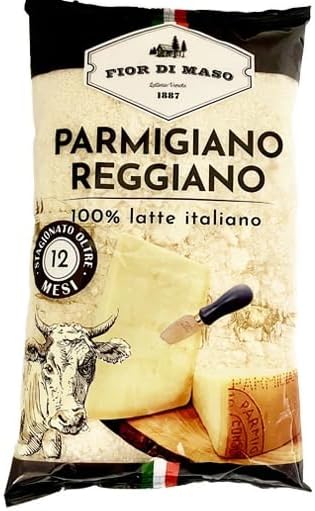
For those who prefer award-winning Italian brands ── Fiordi Maso 1kg
If you're absolutely committed to quality, we highly recommend "Fior di Maso," a brand from the Italian cheese maker "Caform" in the Veneto region
Kaform is a highly regarded manufacturer that won the most medals (7 out of approximately 300 companies) at "CASEUS VENETI 2016," a competition to determine the best cheese from the Veneto region. The Fior di Maso brand uses carefully selected milk sourced only from contracted farms, and manages all processes in-house, from production and aging to packaging. By not outsourcing anything from manufacturing to delivery, they are able to thoroughly control quality while keeping costs down and offering their products at a reasonable price
Grana Padano – A versatile and cost-effective cheese
Origin and manufacturing method
Grana Padano is produced in a wide area of northern Italy, mainly along the Po River basin. Because its production area is larger than that of Parmigiano-Reggiano, it is produced in larger quantities and is somewhat more affordable
The manufacturing process is similar to that of Parmigiano, but one key difference is that it allows the use of the natural enzyme "lysozyme." This is a natural ingredient derived from egg whites and is added to control the fermentation of the cheese. Those with egg allergies should take extra caution
The minimum aging period is 9 months. Wines aged for 20 months or more are called "Riserva" and have a more complex flavor
Flavor characteristics
Compared to Parmigiano, Grana Padano has a slightly softer, butterier texture. Its flavor is milder and more delicate. Those with a sensitive palate may detect a gentle umami taste reminiscent of broth or boiled vegetables
Its greatest appeal lies in its mildness; it's not as salty as Parmigiano, and it doesn't overpower the flavor of other ingredients when mixed into dishes
What kind of dishes does it go well with?
Grana Padano is widely used in Italian households as a cheese to be mixed into dishes
- Risotto (to be dissolved into the finishing touch of Mantecaturra)
- Minestrone (add the husks to the pot to bring out the flavor)
- Salad topping (mild and easy to use)
- Soups in general (adding depth without being overpowering)
- Mix it into meatballs or polpettes
The distinction between using Parmigiano Reggiano as a finishing touch and Grana Grana melting into the dish is a piece of wisdom from Italian home cooking. Trying Grana Grana in risotto, in particular, will significantly improve the dish's quality
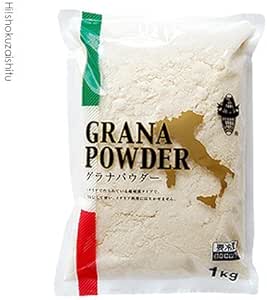
Grana Padano Powder – A cost-effective size for ample use
Pecorino Romano – The Soul of Roman Cuisine
Origin and manufacturing method
Pecorino Romano is fundamentally different from the other two types. it uses sheep's milk (Pecorino = sheep) instead of cow's milk . It is produced only in the Lazio region (including Rome), Sardinia, and Tuscany.
The maturation period is relatively short, ranging from 5 months (for table use) to 8 months (for grating). The high fat content and concentrated flavor unique to sheep's milk create a robust taste in a short period of time
Historically, this cheese has been made since Roman times, and there are records indicating that it was used as rations for the Roman army. It can truly be called the "taste of Rome."
Flavor characteristics
Pecorino Romano's flavor is distinctly different from the other two. It stands out for its rich aroma and depth derived from sheep's milk, its pungent spiciness, and its strong saltiness
Some people might find it salty the first time they try it. This is characteristic of Pecorino cheese, and when adding it to dishes, it's important to consider how it balances with other salty ingredients (salt, anchovies, guanciale, etc.)
What kind of dishes does it go well with?
Pecorino Romano is the cheese that is indispensable to the "BIG 4," Rome's classic pasta dishes
- Cacio e Pepe (a simple pasta dish made with only Pecorino cheese and pepper)
- Carbonara (an authentic combination of egg, guanciale, and pecorino cheese)
- Amatriciana (tomato, guanciale, pecorino cheese)
- Gricia (a tomato-free version of Amatriciana)
- Gnocchi alla Romana
A fundamental principle of Italian cuisine is to "use cheese from the region where the dish originated." For these pastas, which originated in Lazio, the traditional pairing is Pecorino Romano, which also originated in Lazio
Many people associate carbonara with Parmigiano cheese, but in authentic Roman recipes, Pecorino Romano is the star. Its saltiness and richness blend perfectly with the fat of the guanciale and the creaminess of the egg, creating that unique umami flavor
Experience the authentic taste with this Parmigiano & Pecorino tasting set
For those who want to try both Parmigiano and Pecorino, a tasting set is convenient. The portion (block) type from Zanetti, an authentic Italian manufacturer, allows you to enjoy the aroma and texture of freshly grated cheese
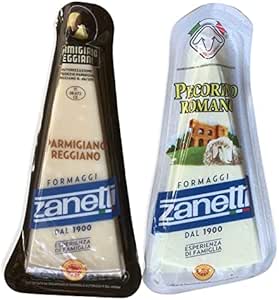
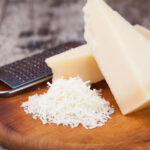
For block-type cheese, it's best to grate it into a fluffy consistency using a cheese grater. The way the aroma is released is completely different compared to powdered cheese. The moment you grate it, the aroma that fills your kitchen is like that of an Italian cheese shop—that's the real charm of block-type cheese
Quick Reference Guide for Choosing Cheeses for Different Dishes
To summarize the information so far, dish by dish, it would look like this:
| cooking | Cheese to use | point |
|---|---|---|
| Carbonara | Pecorino Romano | A classic from Rome. Saltiness and richness are key |
| Amatriciana | Pecorino Romano | The acidity of the tomatoes and the flavor of the sheep's milk go together perfectly |
| Cacho e Pepe | Pecorino Romano | Pecorino cheese is essential for this pasta |
| Greeting | Pecorino Romano | All of the Roma Big Four are Pecorino |
| Lasagna Bolognese | Parmigiano Reggiano | The soul of Emilia cuisine |
| Tortellini Ravioli | Parmigiano Reggiano | Enhances the flavor of the stuffing |
| risotto | Grana Padano (or Parmigiano) | It blends in easily and doesn't get in the way |
| Minestrone (stew) | Grana Padano (add with the rind on) | The flavor comes from the outer skin |
| Tomato pasta finish | Parmigiano Reggiano | The complex umami flavor elevates the sauce |
| Salad toppings | Grana Padano | Mild and enhances the flavor of the ingredients |
| Finishing touches on the pizza | Parmigiano Reggiano | Sprinkle a small amount on as a flavor booster |
| Appetizers and starters | Parmigiano Reggiano | Simply slice it thinly and it pairs well with wine |
Tips for using salty cheeses effectively
All three types of cheese are quite salty. When using them in cooking, simply keeping the following points in mind will greatly improve the result
Use salt sparingly until you add the cheese
When boiling water for pasta or making soup, if you plan to add cheese, save the salt for the final adjustment. The rule of thumb is to taste after adding the cheese and add salt if necessary
Always save the pasta cooking water
When mixing pasta and cheese, the salt and starch in the pasta water emulsify the cheese into a sauce-like consistency. Mixing the pasta and cheese while adding a little of the water results in a fluffy, non-sticky cheese coating. This emulsification technique is especially crucial for dishes like cacio e pepe and carbonara
Let the cheese return to room temperature before using
Cold cheese straight from the refrigerator tends to clump when added to hot dishes. Letting it return to room temperature a little before use will make it blend much better with sauces
The basic method of storage is refrigeration and keeping out air
For block-type cheese, wrap the cut surface tightly in plastic wrap and then place in a resealable bag before refrigerating. For powder-type cheese, transfer to an airtight container after opening and refrigerate. Freezing is also possible for long-term storage. Frozen powder can be used directly by taking out only the amount needed
A cheese grater changes the way you cook
If you're using block cheese, you should definitely get a cheese grater. Freshly grated, fluffy cheese has a completely different aroma and texture compared to powdered cheese
In Italian households, it's common to place a block of cheese and a grater on the table, allowing each person to grate as much as they like just before eating. Adopting this style in Japan will instantly give your dining table an Italian feel
Summary ── When choosing cheese, be mindful of the "origin" of the dish
Parmigiano-Reggiano, Grana Padano, and Pecorino Romano. Here's a summary of the unique characteristics of each of the three types
- Parmigiano-Reggiano – the king of cheeses. Its complex flavor and aroma make it the perfect finishing touch. An essential ingredient in Emilia cuisine.
- Grana Padano – a versatile cheese. Cost-effective and easily blends into dishes. Perfect for risotto, soups, and stews.
- Pecorino Romano – a distinctive pasta made from sheep's milk. It has a strong salty and spicy flavor, and is the top choice among Rome's four great pastas.
The Italian idea of using cheese from the region where a dish originated is not simply a matter of adherence to tradition. Over a long history, it is the natural result of selecting the cheese that best suits the local ingredients and cooking methods
Next time you make carbonara, be sure to try it with Pecorino Romano. Use Parmigiano for lasagna, and Grana for risotto. These small differences in cheese choices will bring your everyday cooking closer to the authentic taste of Italy
The world of cuisine expands so much with just the choice of cheese. We encourage you to enjoy the depth of Italian cuisine with authentic DOP-certified cheeses

Related Articles
Fu: Introducing the characteristics of this traditional Japanese ingredient and recommended recipes!
What is the Queen of Butter, "Échiré Butter"? Enjoy AOP-certified fermented butter from France!
Introducing the appeal of cabbage, a versatile vegetable that can be enjoyed from winter to spring, and recipes that use it!

We'll show you how to make red bean paste, a recipe you'll want to master before the New Year!
A comprehensive look at the charms of corn, a unique vegetable that has come to Japan from the New World!