A must-see for cooking beginners! Basic cutting methods and tips
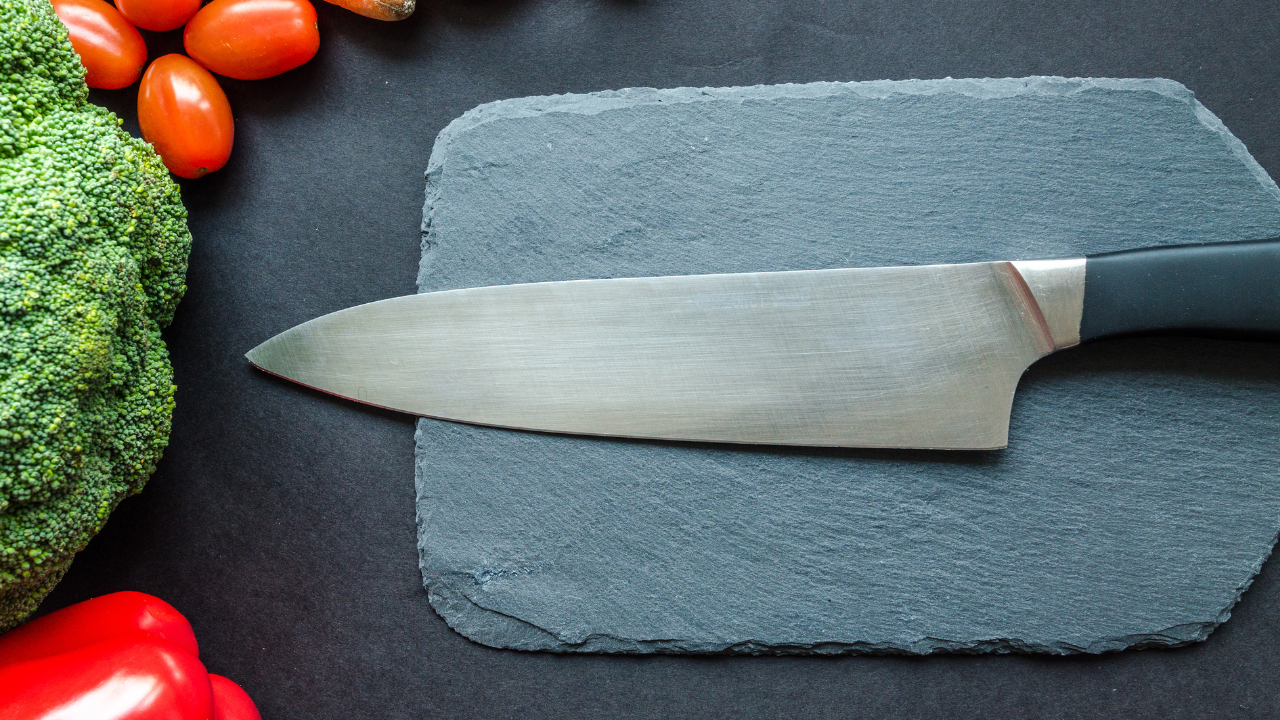
When it comes to cooking ingredients, proper cutting is an essential element to a successful meal
In this article, we'll introduce basic cutting techniques for various ingredients. From round to long and thin, mastering the correct cutting techniques will help you improve the taste, appearance, and enjoyment of your food

When cooking, it is important to know how to cut ingredients. Here we will introduce the basic cutting methods
table of contents
How to cut round ingredients
For round ingredients, such as tomatoes and lemons, first cut them into squares and then thinly slice from the small ends. This cutting method involves cutting radially towards the center. For tomatoes, remove the stem, cut them into quarters lengthwise, and then thinly slice them crosswise
How to cut chrysanthemum flowers
This is a method of cutting turnips and radishes into the shape of a chrysanthemum flower. Place the peeled turnip with the leafy side down and make deep, fine cuts lengthwise and crosswise. After cutting, sprinkle salt on the turnip to soften it, then soak it in sweet vinegar. This method results in a beautifully presented dish
How to cut long, thin ingredients
For thin ingredients like cucumbers and onions, cut them to the desired thickness starting from the edge. This increases the surface area, allowing them to cook more easily. For cucumbers, you can also slice them diagonally and then julienne them
Chopped and cut into chunks
Random cutting is a method of cutting ingredients into irregular shapes of roughly the same size. For example, it is useful when using carrots or potatoes. Chrysanthemum cutting or half-moon cutting is a method of cutting a rounded ingredient vertically in a cross shape with a knife, and then cutting it from the small end to the appropriate thickness. This makes it easier for the ingredients to cook evenly
Shredded
Julien is a method of cutting ingredients into long, thin strips. Thinly sliced ingredients are layered on top of each other, and then thinly sliced on top. Ingredients cut in this way absorb flavors better when cooked. This method is suitable for salads and stir-fries, such as cabbage and carrots
How to cut burdock
The method of cutting burdock root by shaving it like a pencil is called sasagaki. This method results in a softer texture than julienned burdock. By turning the burdock root while shaving, you can create thin slices of a uniform thickness
How to cut radishes and cucumbers
You can also peel the skin of radishes and cucumbers into thin strips and then cut them into thin strips. For round cut vegetables such as radishes and potatoes, cut them into appropriate thicknesses starting from the small end. This will create a shape suitable for simmered dishes and salads
Clapper cutting
This method involves cutting the vegetables into square pieces like clappers. Cut them into pieces about 8mm square and 4-5cm long. This method is suitable for carrots and radishes, and is used in stir-fries and simmered dishes
finely chopped onion
When chopping an onion, a sharp knife will cut it without crushing the fibers, which is less likely to irritate your eyes. After splitting the onion in half lengthwise, make fine cuts along the thickness of the onion towards the root, then cut into 5mm wide strips along the fibers. Next, cut perpendicular to the fibers into 5mm wide strips. This will allow you to chop the onion evenly
summary
There are various ways to cut ingredients, and the way you cut them affects the taste of the ingredients and how they cook. Learning basic cutting techniques will make everyday cooking more fun and delicious. Learn the proper cutting techniques and try expanding the variety of your cooking

Related Articles
The charm of abalone and the best recipes: Explaining everything from how to choose it to recommended ways to eat it!
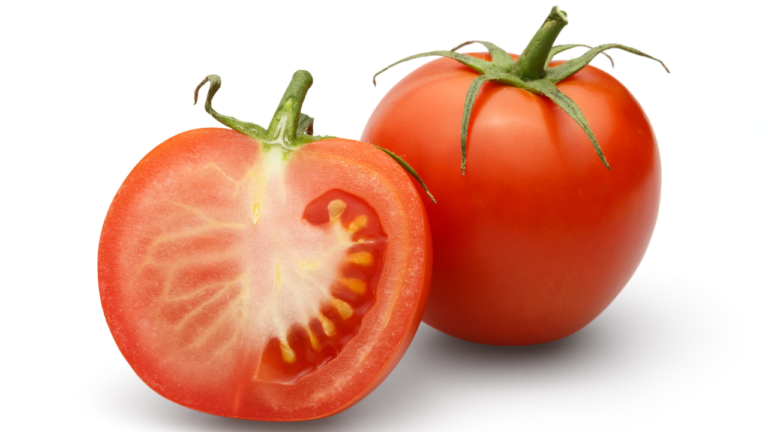
We'll also introduce you to a recipe for enjoying tomatoes!
An explanation of light pickles that will make you want to eat in the hot summer!
Introducing recommended recipes using persimmons, which are in season in autumn!
When will the 2025 harvest of rice be available? We'll introduce you to everything from the latest rice news to autumn clay pot rice!