We'll introduce you to the characteristics of monkfish and some recommended recipes that make the most of its deliciousness!
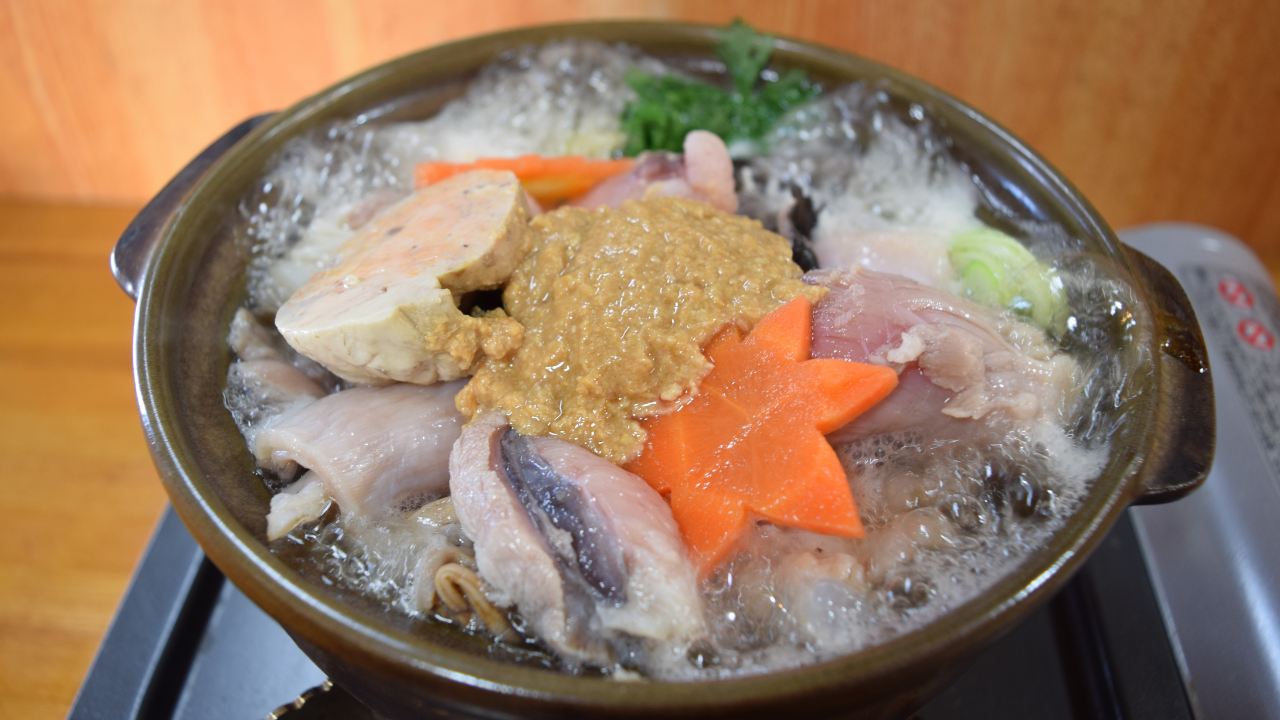
table of contents
Characteristics of monkfish
Anglerfish are known for their unique appearance and ecology, with huge heads, large mouths with sharp teeth, and rounded bodies weighing over 15 kg
Although this fish may look grotesque at first glance, almost every part of it is known to be edible
This includes the skin, liver (commonly known as "monkfish foie gras"), ovaries, and stomach, which are known as the "seven tools."
Anglerfish live in a wide range of oceans, including the Arctic Ocean, Pacific Ocean, Indian Ocean, Atlantic Ocean, and Mediterranean Sea, and prefer sandy and muddy seabeds at depths of 30 to 500 meters
They are carnivorous and are known for using their large mouths to prey on other fish, but are not good swimmers
As a result, they have a unique feeding method in which they use lures to lure other fish in order to ambush their prey
Monkfish season and how to choose it
Monkfish is in season in winter, and is said to be at its most delicious around February
The monkfish you see in the market is filleted using a unique method called "hanging cutting" and used for hotpots, etc
When choosing, it is important to choose ones with lighter flesh colours
Nutritional value and how to eat
Monkfish meat is low in fat and has low energy content, yet is highly nutritious. The liver in particular is rich in vitamin A and is packed with nutrients
A traditional way to eat it is in monkfish hotpot, where the seven utensils are added to the meat as needed
It is common to eat the liver steamed, which gives it a unique, rich flavor
Introducing recommended recipes using monkfish
Anglerfish hotpot
[Ingredients: 4 servings, 270kcal]
- Monkfish meat (including chunks, skin, liver, etc.): 600g
- Grilled tofu: 1 block
- Shirataki noodles: 1
- Udo and green onion: 2 pieces each
- Burdock root: 2 stalks
- Shimeji mushrooms: 1 pack
- Mitsuba (cut into 7cm pieces): 200g
- Dashi (strong): 3 cups
- Condiments (scallions, yuzu, shichimi pepper, etc.): as needed
- Vinegar, soy sauce, mirin, sugar, salt, miso: appropriate amounts
【How to make】
- Quickly boil the monkfish in boiling water, then drain to remove the muddy smell
- Cut the burdock root into 4-5cm lengths, peel the skin thickly, cut into 4-5mm thick pieces and soak in vinegar water. Cut the green onion diagonally into 1-2cm wide pieces and soak the burdock root in vinegar water
- Place ingredients 1 and 2, tofu, shimeji mushrooms, mitsuba, and bite-sized shirataki noodles on a large plate
- Bring dashi stock, 4 tablespoons of soy sauce, 3 tablespoons of mirin, 2 tablespoons of sugar, and 1 teaspoon each of salt and miso to a boil in a clay pot, then add the ingredients and simmer. Season with your favorite condiments
Steamed monkfish liver
[Ingredients: 4 servings, 230kcal]
- Monkfish liver: 200g
- Grated maple leaves: 3 tablespoons
- Chives: 2-3 pieces
- Ponzu soy sauce: as needed
- Salt: 1 teaspoon
【How to make】
- Place the monkfish liver in water, pierce the blood vessels with a bamboo skewer, and squeeze out the blood. Place on a colander, sprinkle with 1 teaspoon of salt, and leave for 30 minutes
- Wrap the monkfish liver in aluminum foil, forming it into a ball, and steam it in a steamer for about 30 minutes, then leave it to cool
- Once cooled, remove the aluminum foil, cut into bite-sized pieces, and serve in a bowl. Serve with grated maple leaves, chopped chives, and ponzu soy sauce
These recipes will help you make the most of monkfish. Monkfish hotpot is perfect for cold winter days, and steamed liver dishes allow you to enjoy its rich flavor. Enjoy traditional Japanese flavors using various parts of the monkfish
summary
Monkfish occupies an important place in Japanese food culture due to its unique appearance and distinctive culinary tradition
Due to the "seven tools" that use every part of the plant, its delicious taste when in season, and its high nutritional value, it will continue to be a food ingredient loved by many people
Gathering around a monkfish hotpot and enjoying the cold winter weather while warming oneself is a uniquely Japanese tradition
Introducing special recipes using monkfish

Related Articles
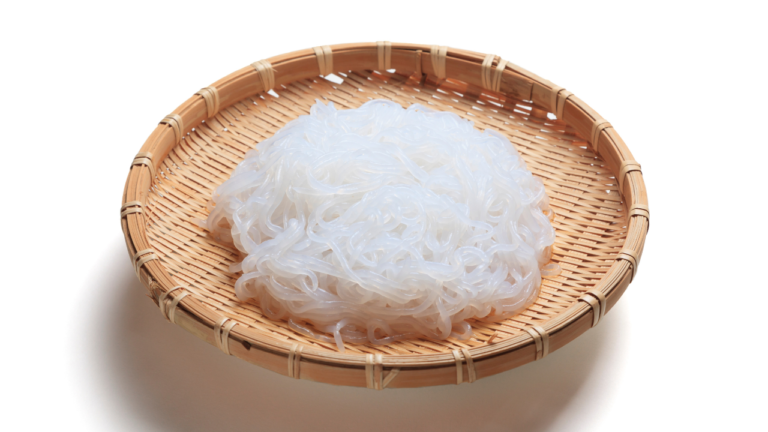
Shirataki: The Charm of a Traditional Japanese Ingredient and How to Use It
Rediscover the charm of winter melon! Introducing the health benefits and recipes of multifunctional ingredients that you can enjoy in the summer harvest until winter!
The Taste of Autumn: Chestnuts - Enjoying Seasonal Ingredients
Recipes that will enjoy the charm of Fuki and the taste of spring
An explanation of the history of sweet potatoes, a vegetable that serves autumn flavors, and how to eat them in a delicious way!