Fu: Introducing the characteristics of this traditional Japanese ingredient and recommended recipes!
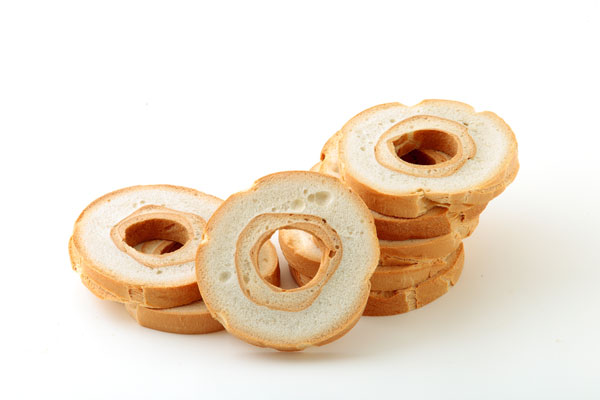
table of contents
Introduction: What is Fu?
Fu, a traditional Japanese food ingredient, is said to have been introduced from China during the Muromachi period. Fu is made from gluten, a protein found in wheat flour, and can be broadly divided into two types: "namafu" (raw gluten) and "yakifu" (baked gluten). Namafu is made using gluten, and is steamed after being colored with food coloring and shaped. Kyoto, in particular, has a wide variety of namafu, known for its artistic qualities and deliciousness. On the other hand, yakifu has a different appearance and taste, and plays an important role in Japanese cuisine
Types and characteristics of gluten
There are many variations of gluten depending on the production method and ingredients used. Mugwort gluten is made by mixing in mugwort, and awa gluten is made by mixing in cooked foxtail millet. These types of raw gluten can be used as is, or they can be fried in oil and used in takiawase dishes. When cooking, it is important not to overcook them
Fu that creates a sense of the season
Fu is also excellent for expressing a sense of season. Momijifu is colored green, yellow, and red, while plumfu and cherry blossomfu are made for specific seasons. These are added to simmered dishes and soups to create beautiful visual effects
The world of crafted gluten
Temarifu is a typical example of crafted wheat gluten, and is made by wrapping colored threads of wheat gluten around a round piece of raw wheat gluten. Crafted wheat gluten also comes in the shape of seasonal flowers or birds, and is used in takiawase (simmered dishes), clear soups, and white miso soups
Characteristics of Daitokuji Fu
Daitokuji Fu is made by boiling and then deep-frying raw gluten, and can be cut and eaten as is. It is a particularly unique dish among gluten dishes, offering a unique texture and flavor
How to store gluten
If you have any leftover gluten, we recommend freezing it. This allows it to be stored for a long period of time and can be used immediately when needed
summary
Wheat gluten is an essential ingredient in Japanese cuisine, thanks to its diversity, the beauty that it brings to the table, and its unique texture and flavor. Enjoy a rich dining experience that captures the four seasons of Japan through dishes that use wheat gluten, which carries on traditional Japanese food culture to the present day

Related Articles
Packed with nutrition! We'll show you how delicious carrots are and how to make the most of their nutritional value with these recipes!

Introducing recommended kitchen tools you'll want to stock up on spring as you start your new life!
Yurine: What are the characteristics and ways to utilize ingredients that serve as a great supporting role in Japanese cuisine?
Introducing eggplant varieties, characteristics, recipes, and more: a versatile vegetable that can be used in any dish!
Rediscovering the diverse charms of tofu! Recommended recipes using tofu