Enjoy autumn with seasonal chestnut rice
In this season when the autumn breeze feels pleasant, chestnuts are an essential flavor on the Japanese dining table. Characterized by their soft texture and elegant sweetness, chestnuts are a quintessential autumn ingredient that has been loved by Japanese people since ancient times. However, peeling chestnuts is known to be a time-consuming and labor-intensive task, and many people probably feel that "I want to make chestnut dishes, but the preparations are too much..."
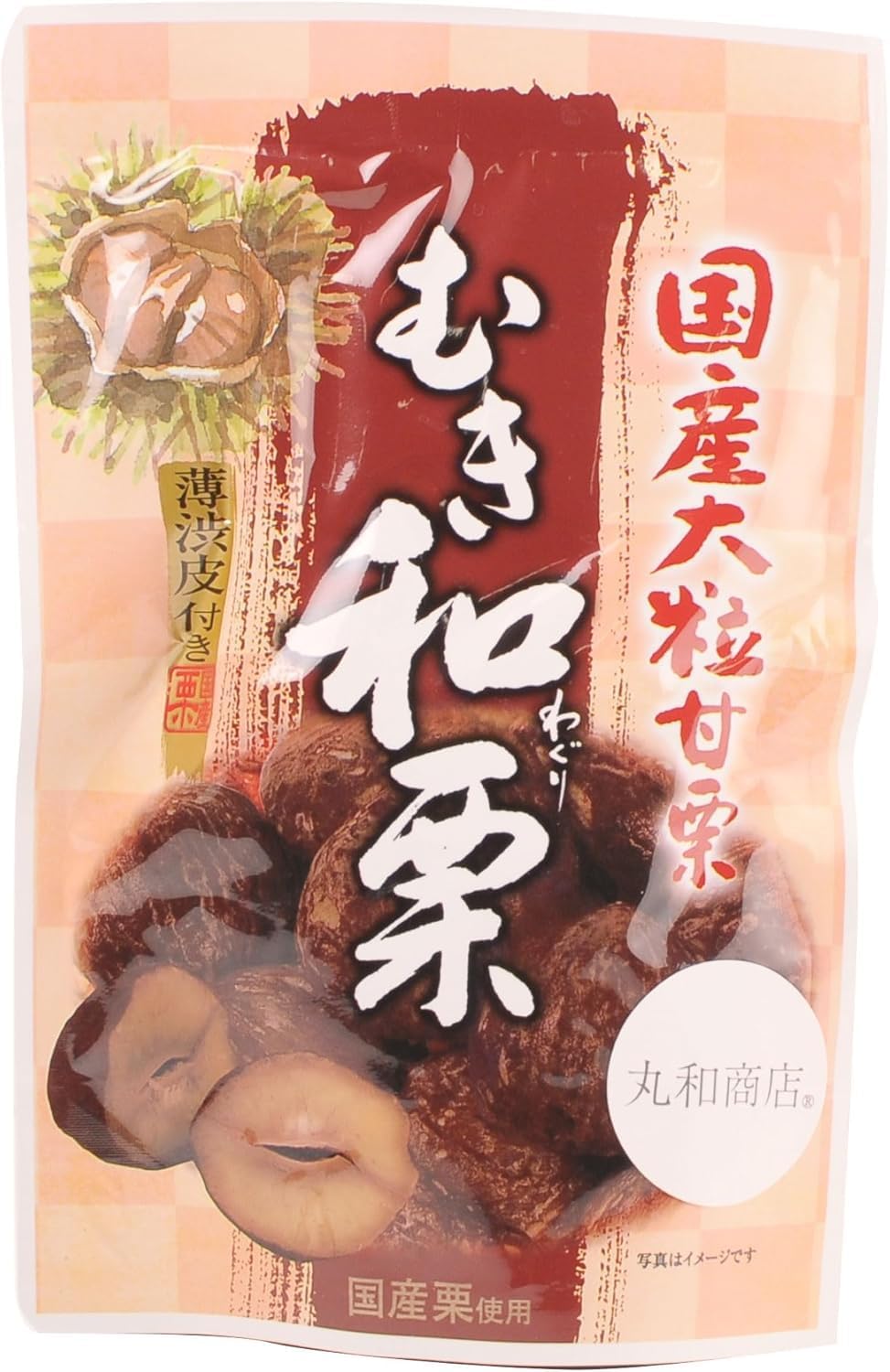
By making good use of commercially available peeled chestnuts and convenient peeling tools, you can easily enjoy authentic chestnut dishes. Let's take a look at some of these chestnut dishes
table of contents
The deep history and culture of chestnuts
Japanese people and chestnuts have a long history
Chestnuts have been a popular food ingredient for the Japanese people for a much longer time than rice cultivation. Many chestnuts have been discovered in Jomon period ruins, proving that they were an important food source for people at that time. Chestnut trees grow quickly and bear fruit relatively quickly, making them a valuable source of nutrition for ancient people
During the Heian period, chestnuts began to appear in the cuisine of the Imperial Court and were highly prized among the nobility. In particular, chestnut sweets and dishes gained cultural significance, to the point that they were even written about in waka poetry as autumnal symbols
Regional differences in chestnut varieties and characteristics
Chestnuts grown in various parts of Japan each have their own unique characteristics. Ibaraki Prefecture's "Ishioka chestnuts" are large and very sweet, making them ideal for making chestnut steamed rice and simmered in sweetened syrup. Nagano Prefecture's "Obuse chestnuts" have a strong fragrance and are highly valued for making Japanese sweets such as chestnut kinton
Chestnuts from Ehime Prefecture are also of high quality, and in recent years they have often been sold as pre-peeled products. These regional brand chestnuts are grown to suit the climate and soil of each region, giving them a unique flavor
The appeal of chestnut rice, a representative chestnut dish
Chewy texture
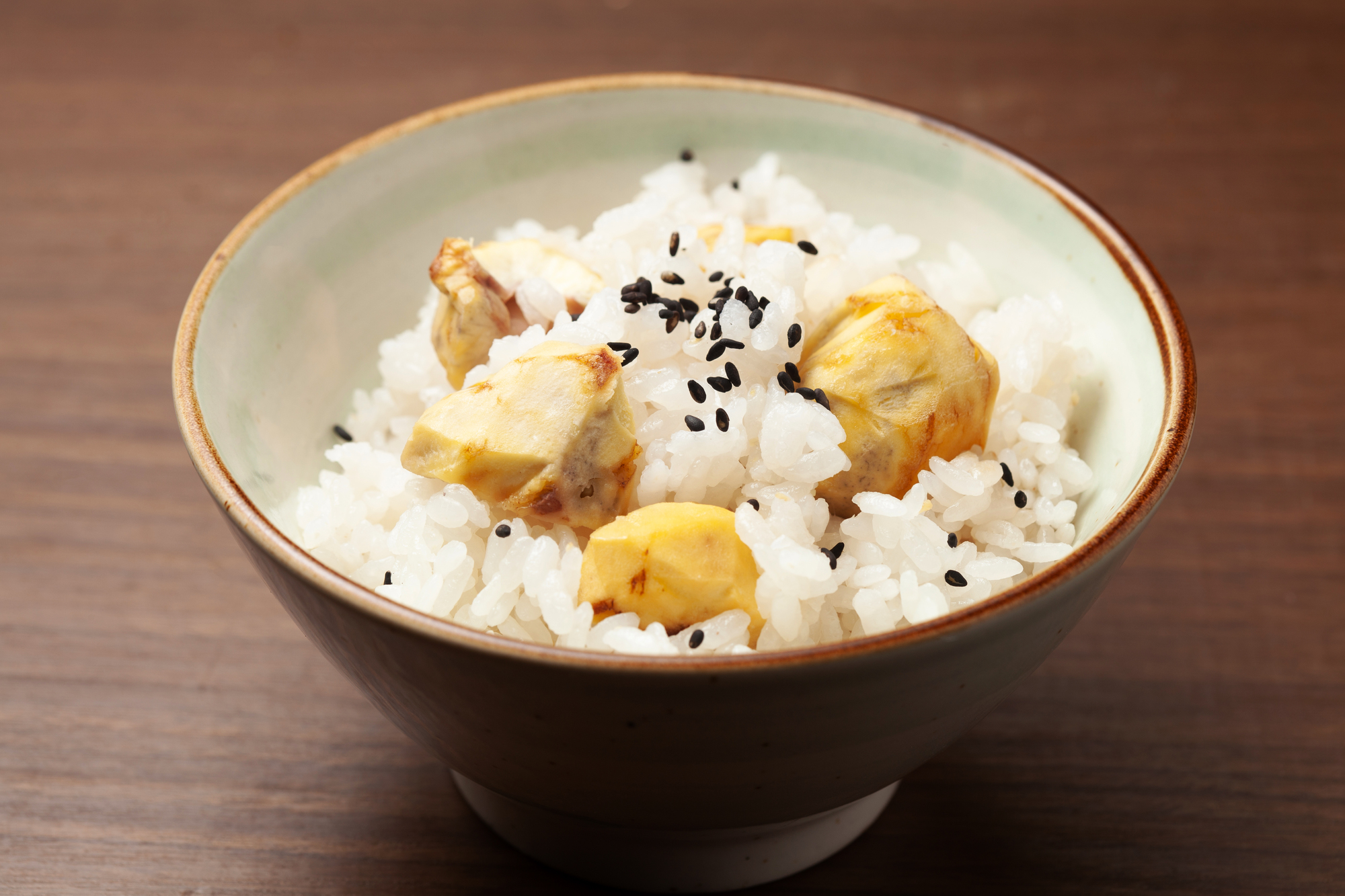
Chestnut rice is one of the most representative dishes of autumn in Japan. It is made by mixing glutinous rice and regular rice in an exquisite ratio and cooking it together with chestnuts, which transfers the natural sweetness of the chestnuts to the rice, making each and every grain delicious
You can make delicious chestnut okowa in a rice cooker, but using a rice cooker with a steaming course will give you a more authentic finish. The key to making delicious chestnut okowa is to make sure to soak the glutinous rice for a sufficient amount of time and to carefully prepare the chestnuts
Delicious even when cold, it also makes a great side dish for your lunch box
The great thing about chestnut rice is that it's delicious even when it's cold. It's great for packed lunches during the holiday season or as a gift for celebrations. Thanks to the properties of glutinous rice, it retains its moist texture even when cooled, without becoming dry
Sprinkling black sesame seeds on top makes it look beautiful and adds a fragrant flavor. The combination of the yellow of the chestnuts, the white of the rice, and the black of the sesame creates a serene beauty reminiscent of autumn
A convenient item that makes chestnut cooking easy
A dedicated tool that reduces the burden of peeling
The biggest hurdle in cooking with chestnuts is the peeling process. Both the tough outer skin and the thin inner skin must be removed, and traditionally this was done by hand with a knife, which took time. However, recently, special peeling tools have been developed specifically for chestnuts, which has greatly improved work efficiency

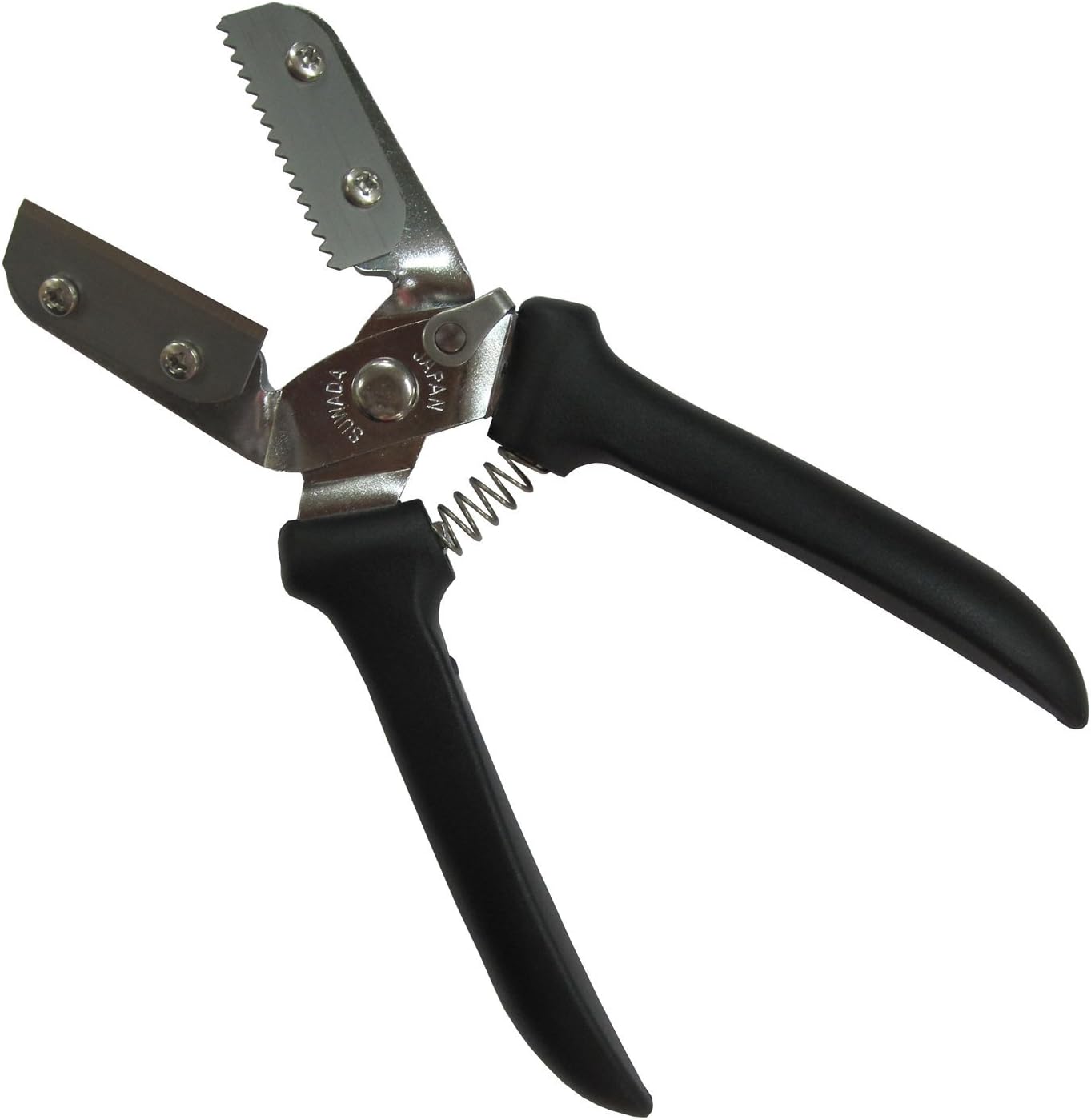
The power of professional chestnut peeling scissors
For those who want to try more authentic chestnut dishes, we recommend special chestnut peeling shears. These specialized tools, made in a region known for its blade production, are designed to fit the shape of chestnuts, allowing you to peel them efficiently and safely
Basic recipe for chestnut rice
Easy Chestnut Steamed Rice Made in a Rice Cooker
Ingredients (for 4 people)
Ingredients Quantity Notes 2 cups of glutinous rice (you can also use a 1:1 ratio with white rice) 200g chestnuts (peeled) Cut in half if large 2 tablespoons of sake 1 teaspoon salt for flavoring 1 teaspoon sugar to adjust the taste A little black sesame seeds to taste For garnish
How to make it
- Prepare the rice : Lightly wash the glutinous rice and place in a rice cooker and soak for about 30 minutes.
- Seasoning : Add sake, salt, and sugar and mix lightly.
- Arrange the chestnuts : Arrange the peeled chestnuts evenly over the rice.
- Rice cooking : Start cooking rice using the rice cooker setting.
- Finishing touch : Once cooked, mix thoroughly and sprinkle with black sesame seeds to finish.
Authentic recipe using a steamer
If you want to make a more authentic chestnut rice dish, you can use a steamer. This method gives each grain of glutinous rice a more distinct texture, and the chestnut flavor stands out more
If using a steamer, soak the glutinous rice overnight, drain the water, mix with the chestnuts and seasonings, wrap in a steaming cloth and steam. The recommended cooking time is 10 minutes on high heat, then 20 minutes on medium heat
summary
This autumn, why not rediscover Japan's rich food culture through chestnut steaming and kanroni? Chestnut dishes made with family and friends are sure to become special memories. The warmth and gentle sweetness of plump chestnuts will bring the joy of autumn to your table
Introducing our special recipes for epi recipes


Related Articles
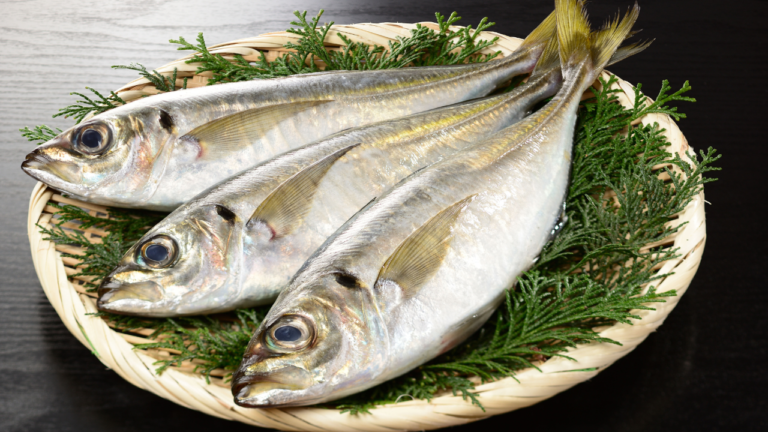
History and Culture of Horse Mackerel: The World of Horse Mackerel, Deeply Rooted in Japanese Food Culture
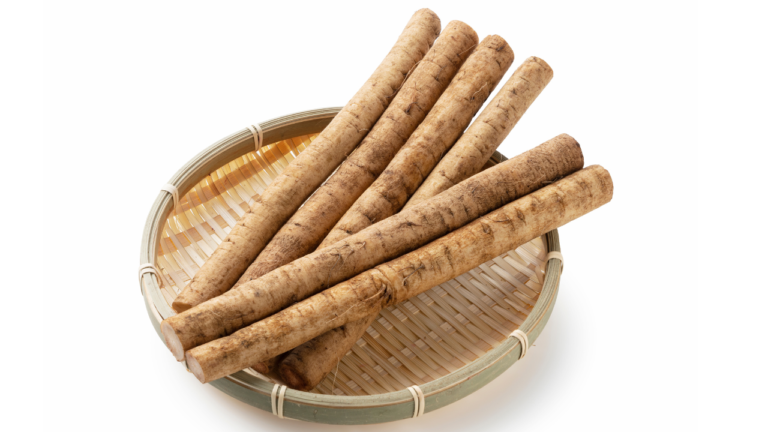
How to eat burdock | A dish of fragrant burdock and red pepper
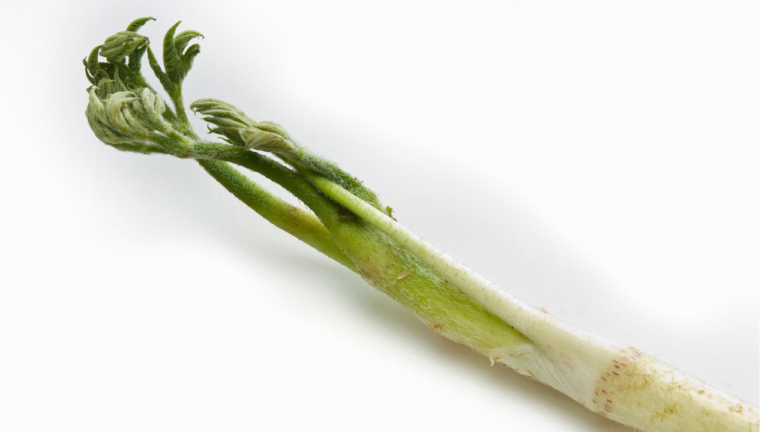
Spring Udo charm and how to enjoy it: Introducing the seasonal Udo and Mountain Udo
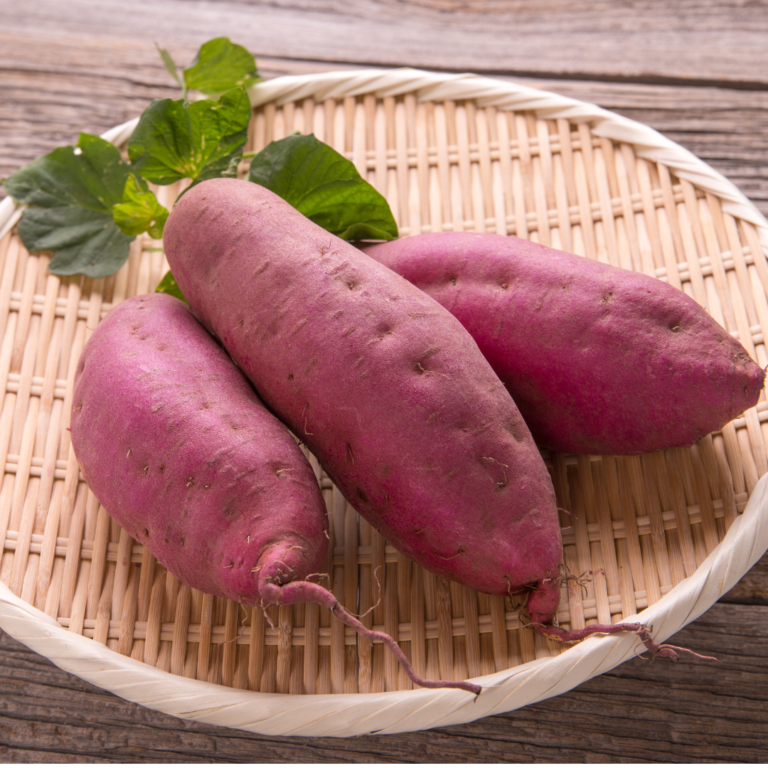
An explanation of the history of sweet potatoes, a vegetable that serves autumn flavors, and how to eat them in a delicious way!
The world of dango to enjoy in autumn