Introducing recommended recipes that will allow you to enjoy the charm of ayu and its deliciousness
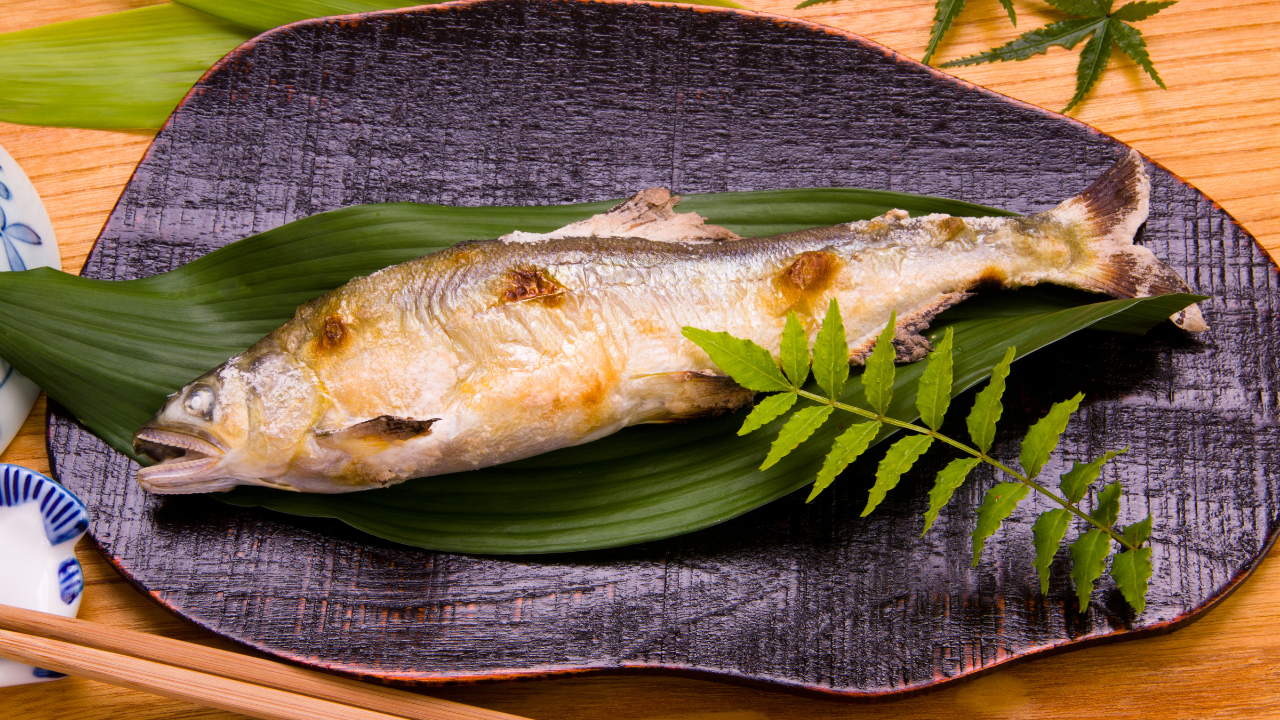
table of contents
What is ayu? : A fish called the queen of river fish
When it comes to fish that symbolize Japan's summer, ayu (flavour fish, year-old fish). Ayu are praised as "Queen of River Fish" because of their high aroma and beautiful appearance, and natural products in particular have an increased value. Natural ayu have a sweet aroma typical of river algae, and are characterized by a slender, yellowish body compared to farmed products.
Seasonal Ayu and how to choose it
Ayu is in season from early summer to autumn, and the flavors are especially delicious, from young ayu to late ayu. To tell the difference between natural and farmed, natural products are yellowish and slender throughout, while farmed products tend to be black and tend to be fat.
Origin of the name
The name "ayu" is originally from "abs," which means "adorable, tasty fish," and this was corrupted into "ayu." In China, the letter "ayu" can sometimes refer to catfish, and it is said that this usage has been introduced to Japan and changed.
Regional and market names
Ayu have a variety of names all over Japan. For example, in Hagiwara-cho, Gero City, Gifu Prefecture and Tokushima Prefecture, they are called "ai", while in Lake Biwa, young fish are called "hio" and adult fish are called "little ayu", so the names are different depending on the region.
Habitat and ecology of ayu
Ayu live in freshwater and seawater, and live in upper and middle basins of rivers, beautiful lakes, dam lakes, etc. They have special comb-shaped teeth, as they eat small shrimp and other foods in the sea, and when they return to the river, they eat algae.
How to eat ayu
Here we will introduce some recommended recipes using ayu.
Grilled sweetfish
- Ingredients (serves 4)
- Ayu: 4 (about 80g each)
- Ginger with leaves: 4
- Vinegar: 3 tablespoons
- Sugar: 2 tbsp
- Water: 5 tablespoons
- Salt: Appropriate amount
- How to make it
- The ayu is pushed out of the anus and then shaped it with a golden skewer. Lightly sprinkle salt on both sides and sprinkle a lot of salt on the fins.
- Cut the ginger with leaves into appropriate lengths, quickly pass it in boiling water, and soak it in a pickled liquid mixed with vinegar, sugar, and water to make pickled ginger.
- Heat the grill and cook the ayu until both sides have a beautiful browning. Remove the skewers and serve with the served pickled ginger.
Ayu stewed in arima
- Ingredients (serves 4)
- Ayu: 4
- Dashi: 5 tablespoons
- Sansho no Tsukudani: 2 tsp
- Bloom beans: 100g (peeled pod)
- Soy sauce, mirin, sake: 2 tablespoons each
- How to make it
- Put dashi, soy sauce, mirin, and sake in a pressure cooker, and arrange the ayu. Sprinkle some sardine berries with tsukudani and use a drop lid.
- Heat over the heat, when it boils, lower the heat, simmer for about 8 minutes, then turn off the heat, and let it steam for about 10 minutes. Serve while pouring the broth over it.
- Boil the beans, peel them, and serve with a thin, sweet stew.
These recipes allow you to fully enjoy the unique flavor and soft texture of ayu. Please try it as a summer tradition in Japan or as a dish that will add a touch of color to your special day's dining table.
We also introduce special recipes using sweetfish

Related Articles
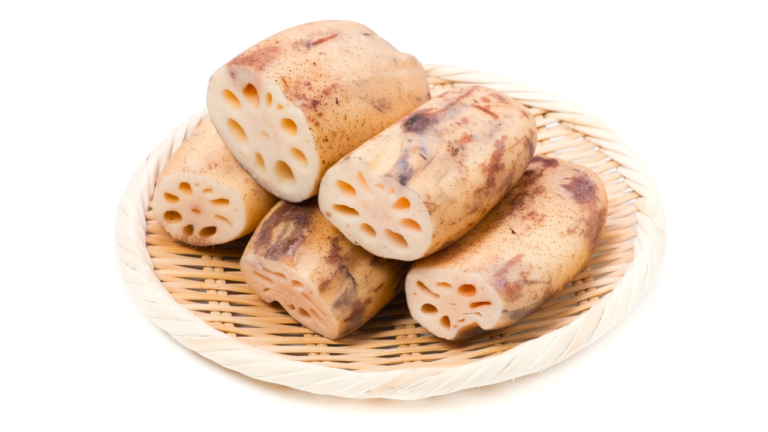
It's full of nutritious and has a delicious crunchy texture! The appeal of lotus root and recommended recipes
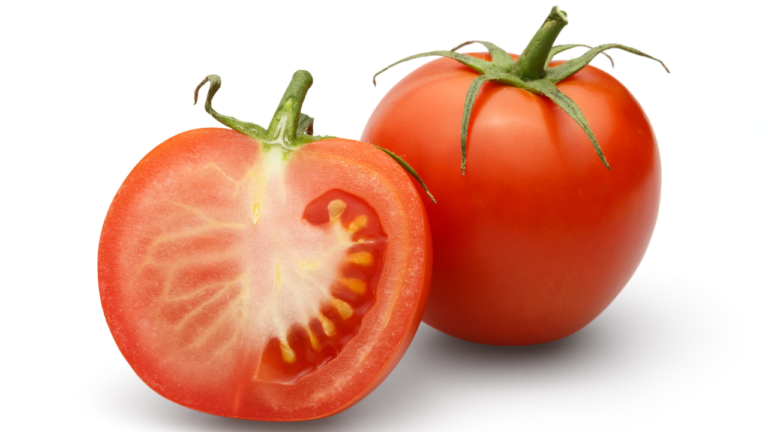
We'll also introduce you to a recipe for enjoying tomatoes!
It's really delicious! Home Taste and Classic Hamburger Recipes
History and culture of mackerel: The world of mackerel rooted in Japanese food culture

Enjoy spring cabbage! We also introduce delicious recipes