Does the company Ibonoito not exist? Uncovering the secrets of somen noodles to help you get through the hot summer!
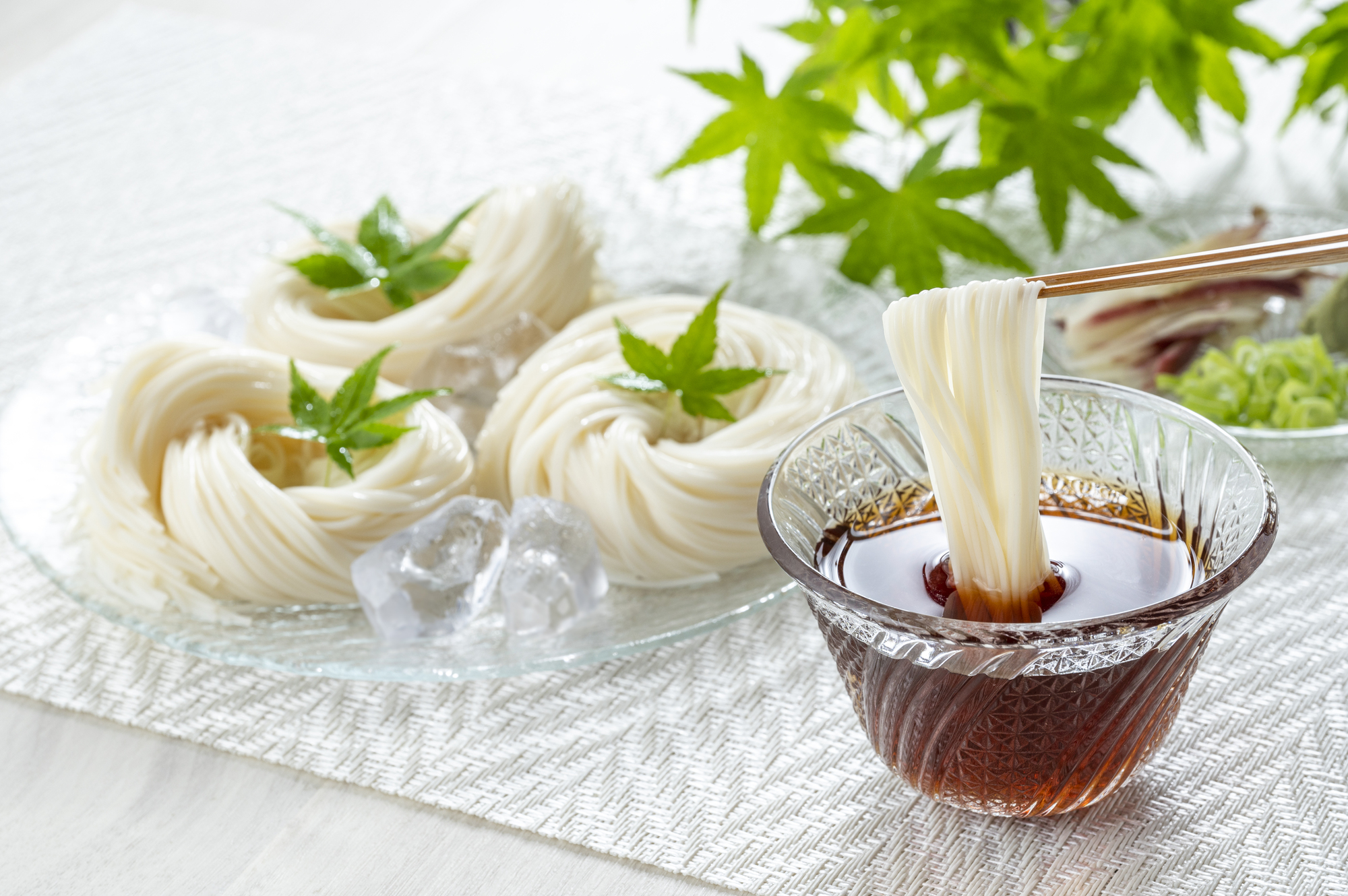
table of contents
- 1 A summer tradition: Tips for staying cool with somen noodles
- 2 The origin of somen noodles and their introduction to Japan
- 3 In fact, there is no company called "Ibonoito"
- 4 Somen manufacturing process
- 5 How to enjoy somen noodles to brighten up your summer dinner table
- 6
- 7 The appeal of somen noodles, an essential part of summer meals
A summer tradition: Tips for staying cool with somen noodles
When the hot summer arrives, our appetites tend to decrease, but at times like these, we crave cold somen noodles. The moment when we eat somen noodles chilled in ice water with a soup full of condiments is the true joy of summer
The origin of somen noodles and their introduction to Japan
The prototype of noodles, including somen, is said to have been brought to Japan by envoys from China during the Nara period. Sakurai City, Nara Prefecture, located about 20 kilometers south of Heijokyo, the capital at the time, is home to Omiwa Shrine, said to be the oldest shrine in Japan, and this area is still known today as the birthplace of Miwa somen
If you look back at old documents, you will find a mention of "saumen" in an ancient document called "Karusho Hikitsuke" written in 1418 during the Muromachi period, which is said to be the oldest record of somen noodles in Japan. It is truly amazing that Japanese people have been eating somen noodles for over 600 years
The development of Banshu somen and its rise during the Edo period
Somen noodle production is said to have begun in the Banshu region of Hyogo Prefecture during the Muromachi period, but it wasn't until the Edo period that it developed into a full-scale industry. The Tatsuno domain at the time encouraged somen production and worked to protect the industry, which led to significant development of somen noodle production in the region
There were several favorable conditions behind the Banshu region's prosperity as a somen noodle producing region. Firstly, it was a producer of high-quality wheat, and the soft water of the Ibo River that flows through the region was ideal for bringing out the whiteness and flavor of somen noodles. Furthermore, the neighboring town of Ako produced high-quality salt, so all the elements necessary for somen production were in place
In fact, there is no company called "Ibonoito"
Ibonoito is currently known as one of Japan's leading somen noodle brands, but in fact there is no company called Ibonoito Co., Ltd. This may come as a surprise to many people
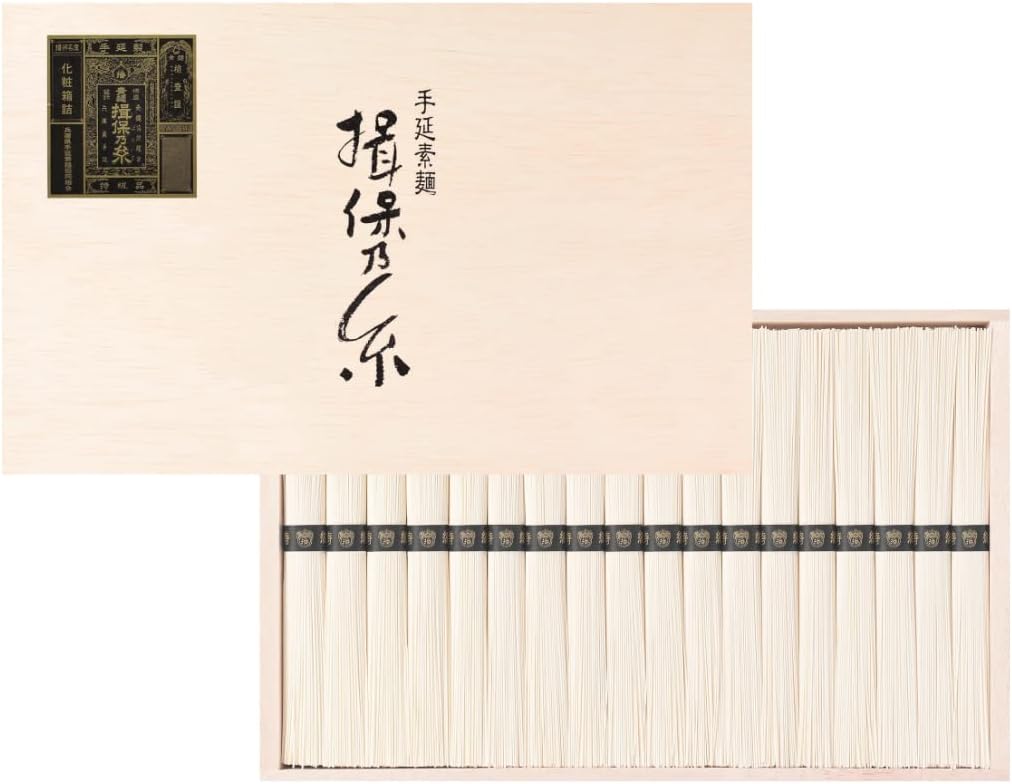
Ibonoito is a unified brand of somen noodles made by approximately 400 producers belonging to the Hyogo Prefecture Hand-pulled Somen Cooperative Association, who meet strict quality standards. It began in 1872 (Meiji 5) with the establishment of Myojinko, a group of producers who came together to stabilize quality and prices, and in 1887 (Meiji 20), the Ito and Nishi District Somen Sales Association was officially recognized
Quality control and skilled techniques
The quality of Ibonoito is supported by a thorough quality control system run by the union. Approximately 20 inspection instructors visit producers daily to provide technical guidance and quality checks. This system allows the somen noodles to be made by as many as 400 producers, yet maintain a consistent quality
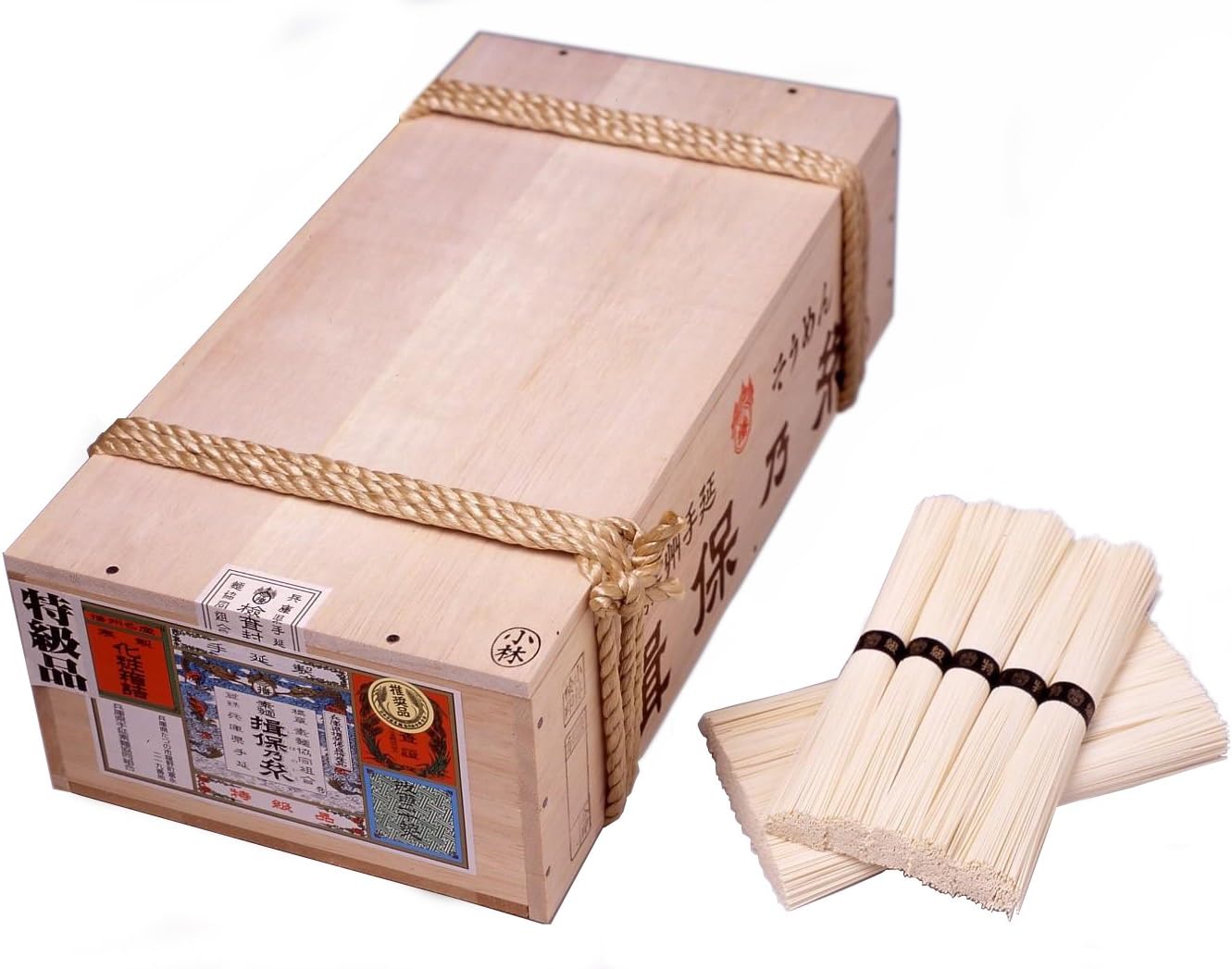
Ibonoito is divided into several grades depending on the wheat used, noodle thickness, production date, etc., and each grade is distinguished by a different band color. The highest grade "Sanshin" has a black band, special grade products also have a black band, higher grade products have a red band, and aged noodles have a gold band, creating an easy-to-understand labeling system for consumers
Somen manufacturing process
Ibonoito is only produced during the cold season from October to April of the following year. This is a traditional method called "kanjikomi," which is said to allow the cold weather to slowly mature the noodles, resulting in more delicious somen noodles
The manufacturing process is extremely delicate: first, wheat flour and salt water are kneaded together to make the noodle dough, and then several noodles are twisted together to make a single strand, a process that is repeated while the noodles are left to mature. This process gives somen its characteristic chewy and smooth texture
Hand-stretching technique
In the final process of stretching the noodles, the noodles are placed around two tubes in a figure eight shape and pulled up and down little by little to create long, thin noodles. This process requires skilled techniques, and the craftsman's many years of experience and intuition play an important role
The finished noodles are dried until they have a moisture content of about 12%, then cut into 19cm lengths and bundled into 50g bundles, resulting in the beautiful white somen noodles we know and love
How to enjoy somen noodles to brighten up your summer dinner table
The appeal of somen lies in its simplicity. Basically, you just dip it in soup and eat it, but you can enjoy a variety of flavors by changing the condiments and ingredients
Somen noodles are a classic summer gift, perfect for mid-summer gifts, midsummer greetings, or late-summer greetings. If you give a special gift, it's sure to be well-received
The appeal of somen noodles, an essential part of summer meals
The ingredients are simple - flour, salt, and water - but the delicate texture and flavor created by the artisan's skill is the very essence of Japanese food culture
On a hot summer day, the refreshing feeling you get when you dip ice-cold somen noodles in the dipping sauce and put them in your mouth is something special you can't get from any other food. And when you think about the long history and craftsmanship that goes into each and every bite, somen noodles taste even more delicious
This summer, why not enjoy the charm of somen noodles, a dish that Japan is proud of, and use it as a way to survive the heat?

Related Articles
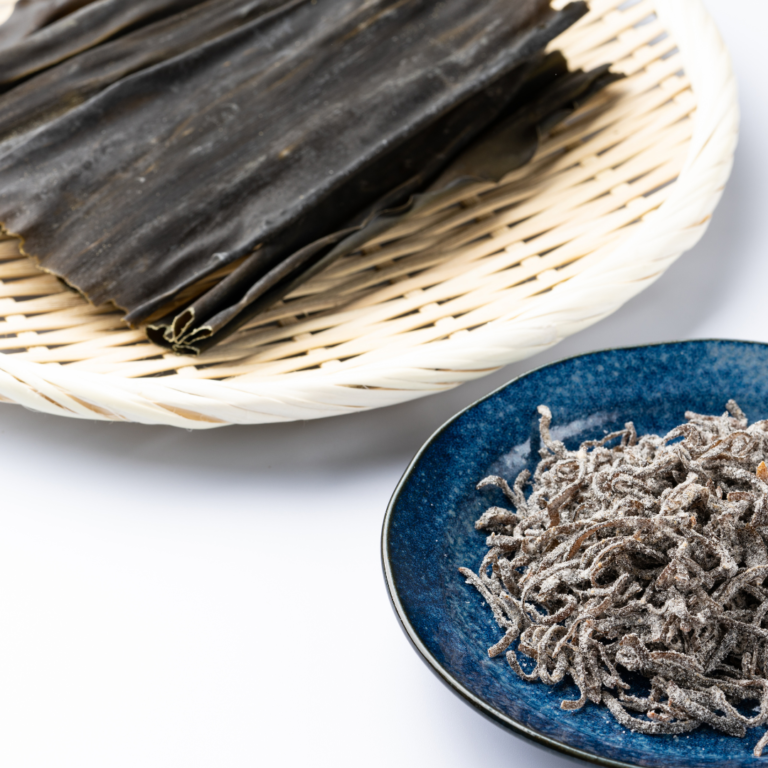
The appeal of kelp and recommended recipes: Learn about the traditions of Japanese food culture and the appeal of the bounty of the sea that supports health!
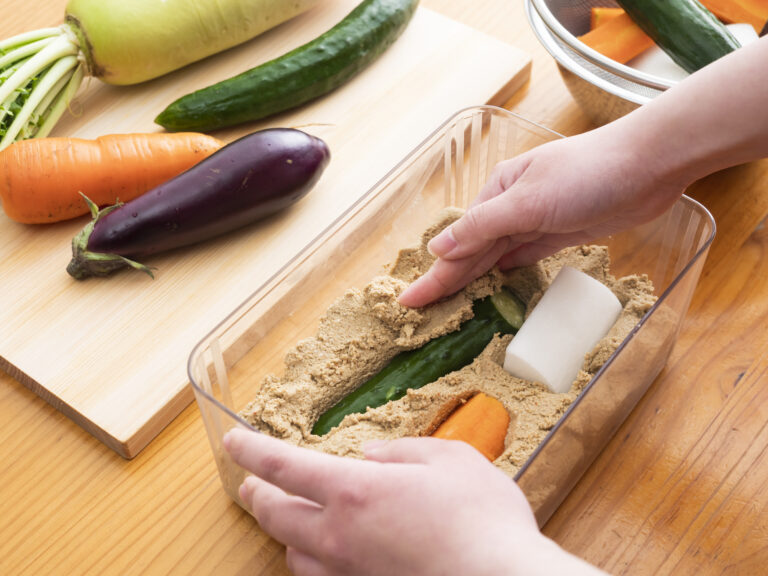
Starting with pickled bran to early summer! Introducing easy ways to start fermented foods and recommended containers!
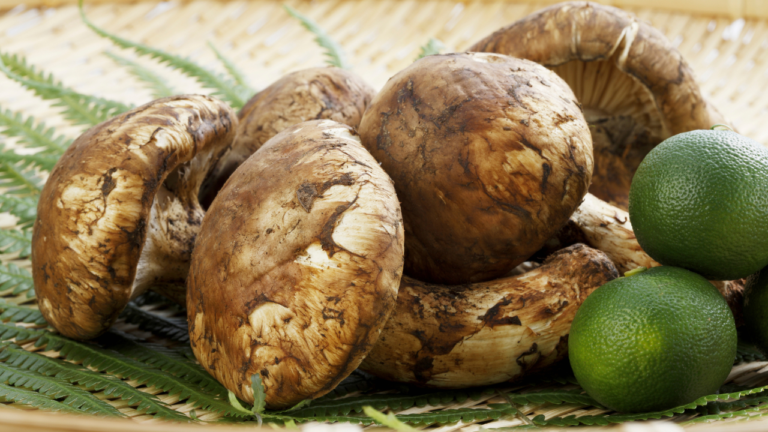
Matsumoto Take: Introducing the characteristics of being called the Mushroom King and recommended recipes!
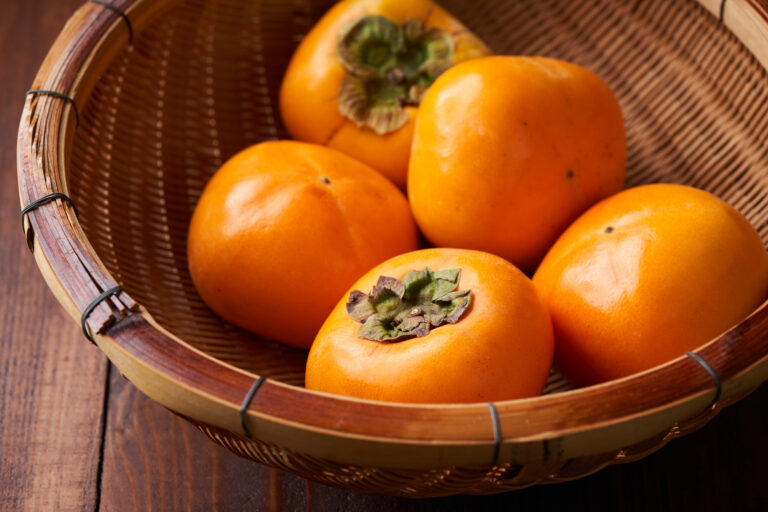
Introducing recommended recipes using persimmons, which are in season in autumn!
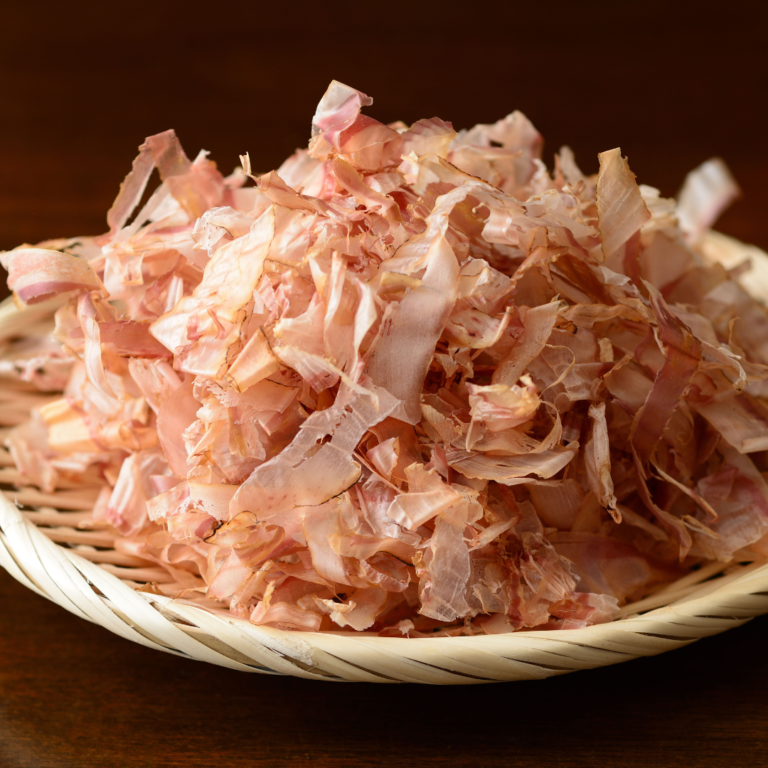
The world of bonito: An explanation of the bounty of the ocean and its appeal as a food ingredient that deeply lives in the Japanese food culture!