The appeal of kelp and recommended recipes: Learn about the traditions of Japanese food culture and the appeal of the bounty of the sea that supports health!
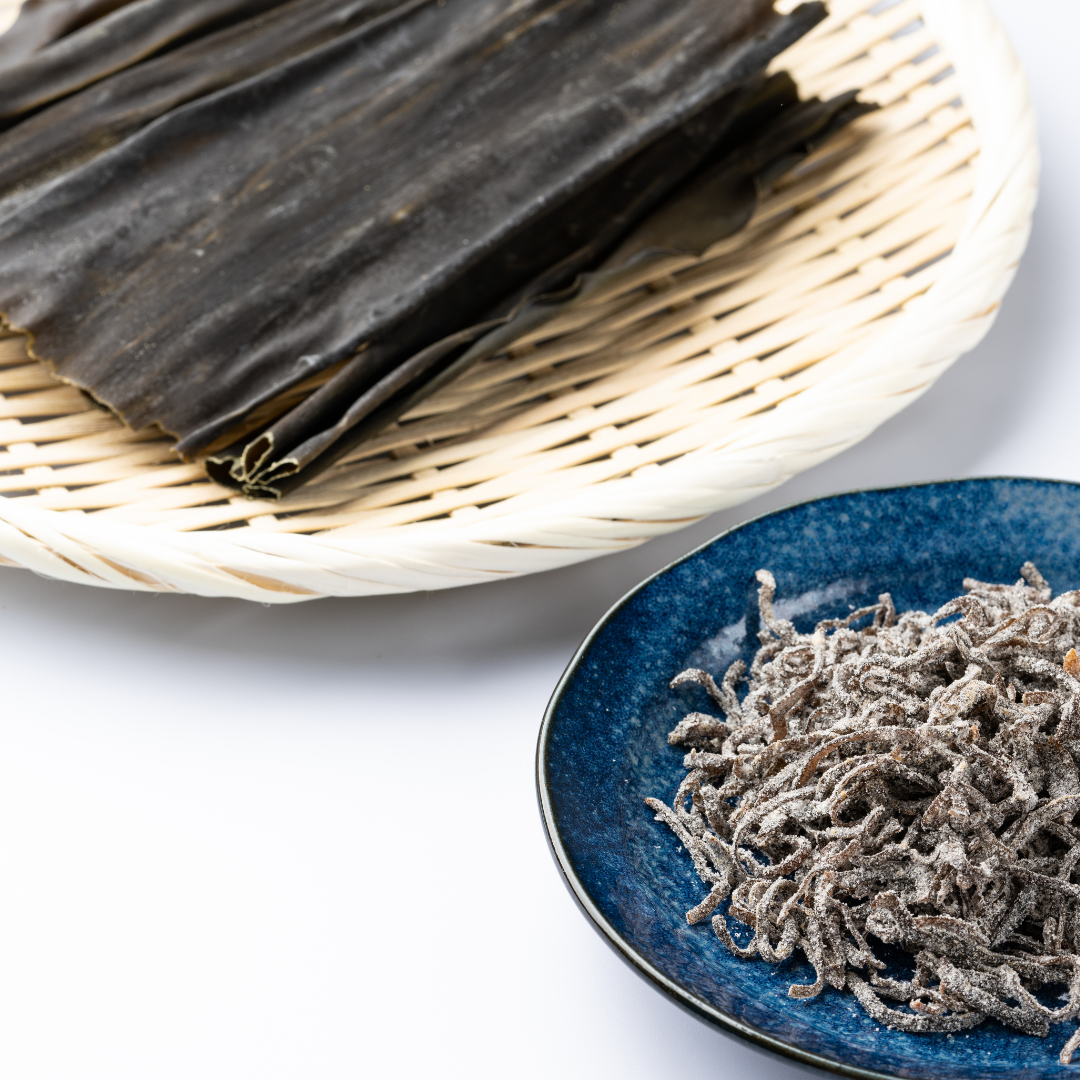
The rich charms of kelp and how to use it
Kelp is an important ingredient deeply rooted in our food culture. Its history is long, and although it is difficult to clearly define it in the field of biology, its value as a food is immeasurable. Kelp belongs to the Phaeophyceae family, and the species with particularly long, thin leaves are generally called kelp
table of contents
Types of kelp and their characteristics
There are many different types of kelp, each with its own unique characteristics. Examples include true kelp, ri-konbu, and mitsushi-konbu. As a food, kelp is sometimes referred to as konbu or kombu in everyday terms. Dashi stock extracted from kelp is used in a variety of dishes, including hot pots, oden, udon, and miso soup, and is rich in umami compounds such as glutamic acid and aspartic acid
The difference between dashi konbu and simmered konbu
Kelp has two main uses: "Kelp for dashi" and "Kelp for stewing." Kelp for dashi includes ma konbu and Rishiri konbu, while konbu for stewing includes long konbu and thick-leaf konbu. Kelp for dashi is hard and has a lot of fiber, while konbu for stewing is soft and has less fiber
How to make kelp stock
When making kelp dashi, it is important to wipe off any dirt on the surface of the kelp without rinsing it with water. This will help preserve the umami components that adhere to the surface of the kelp. The method of extracting dashi varies depending on the type of kelp; for example, it is said that Hidaka kelp should be left to stand for an hour and then extracted at 60°C
Uses of kelp water
Kombu water is a kelp stock made by soaking kombu in cold water for a long time. This method is easy and is suitable not only for use as dashi, but also for drinking for beauty and health purposes
Easy and delicious recipes using kelp
Konbu is an essential ingredient on the Japanese dining table. Its unique flavor and high nutritional value make it useful in many dishes. Here we will introduce two recipes using konbu
1. Simple Konbumaki
Ingredients (6-8 servings)
- Kelp: appropriate amount
- Kanpyo: 20g
- Salt, sake, vinegar, sugar, soy sauce, mirin: appropriate amounts
How to make it
- Rinse the konbu with water and cut it into 5cm pieces. Remove the moisture from the cut konbu with a cloth
- Rub the kanpyo with salt and rinse with water
- Place 2-3 pieces of konbu on top of each other, roll them up from the edge, and tie loosely with kanpyo
- Place the wrapped kelp in a pot, add water, sake, and vinegar, and simmer over medium heat for about 30 minutes
- Add the sugar and soy sauce and simmer for another 15 minutes
- Finally, add mirin and simmer until done
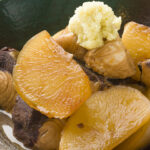
2. Kelp and chicken stew
Ingredients (serves 4)
- Kelp: appropriate amount
- Daikon radish: 1
- Chicken breast: 1 piece
- Shelled greens: 1 pack
- Sugar, sake, mirin, soy sauce: appropriate amounts
How to make it
- Cut the konbu into 4-5cm long and 1cm wide pieces and soak them in water. Save the dipping sauce
- Peel the daikon radish thickly, cut it into half-moon shapes, and boil it for 10 to 15 minutes. Cut the chicken into bite-sized pieces
- Put the daikon radish and kelp in a pot, add the dipping sauce and simmer
- Add sugar and simmer for about 20 minutes, then add sake and mirin
- Add the soy sauce and chicken and simmer until the liquid is absorbed
- Quickly boil the kowawari cabbage in hot water and serve with the stew
These recipes are simple and easy to make, while still taking advantage of the flavor of konbu. Enjoy traditional Japanese flavors through dishes that use konbu

Related Articles
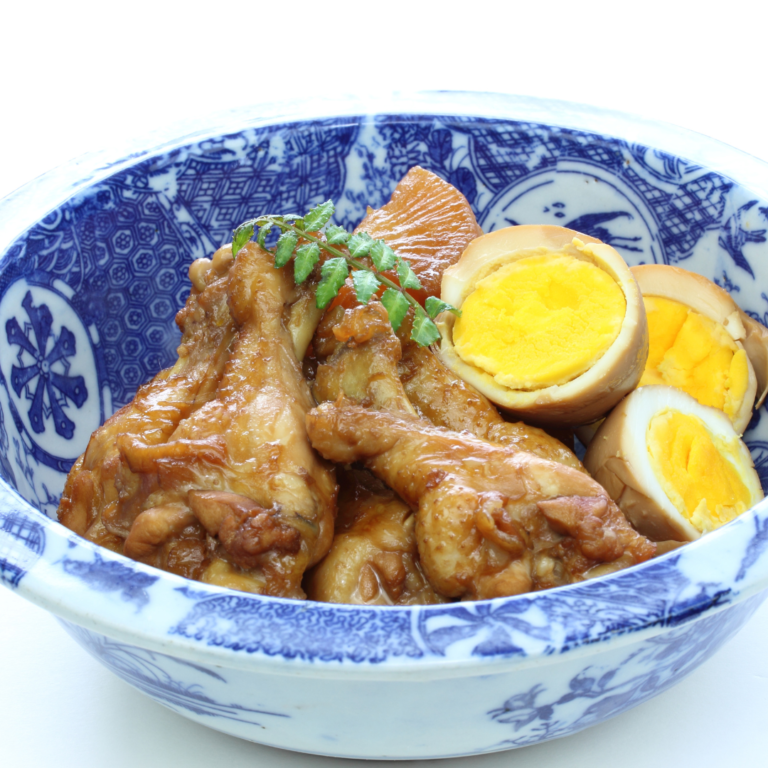
To recover from fatigue in spring! Recipe with a refreshing stew of chicken wings and eggs

Introducing Reese Pie, perfect for Christmas!
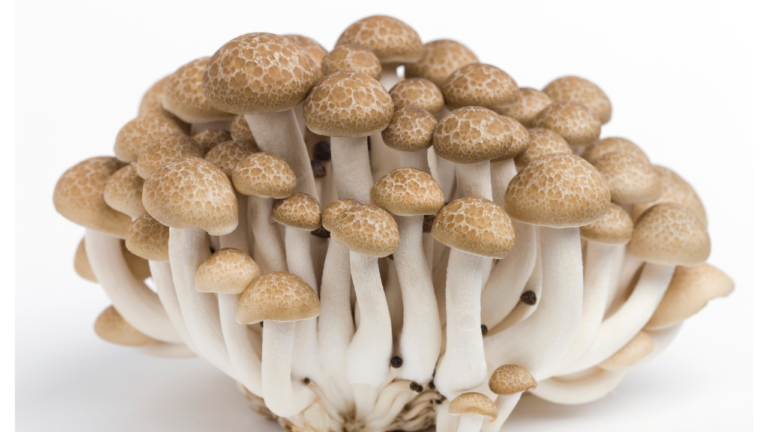
The appeal and uses of shimeji mushrooms: Introducing the secret to their deliciousness and a variety of recipes!
Bean sprouts: Introducing the appeal of this versatile ingredient that brightens up your daily meals and recipes that use it!
A comprehensive look at the charms of corn, a unique vegetable that has come to Japan from the New World!