The world of dango to enjoy in autumn
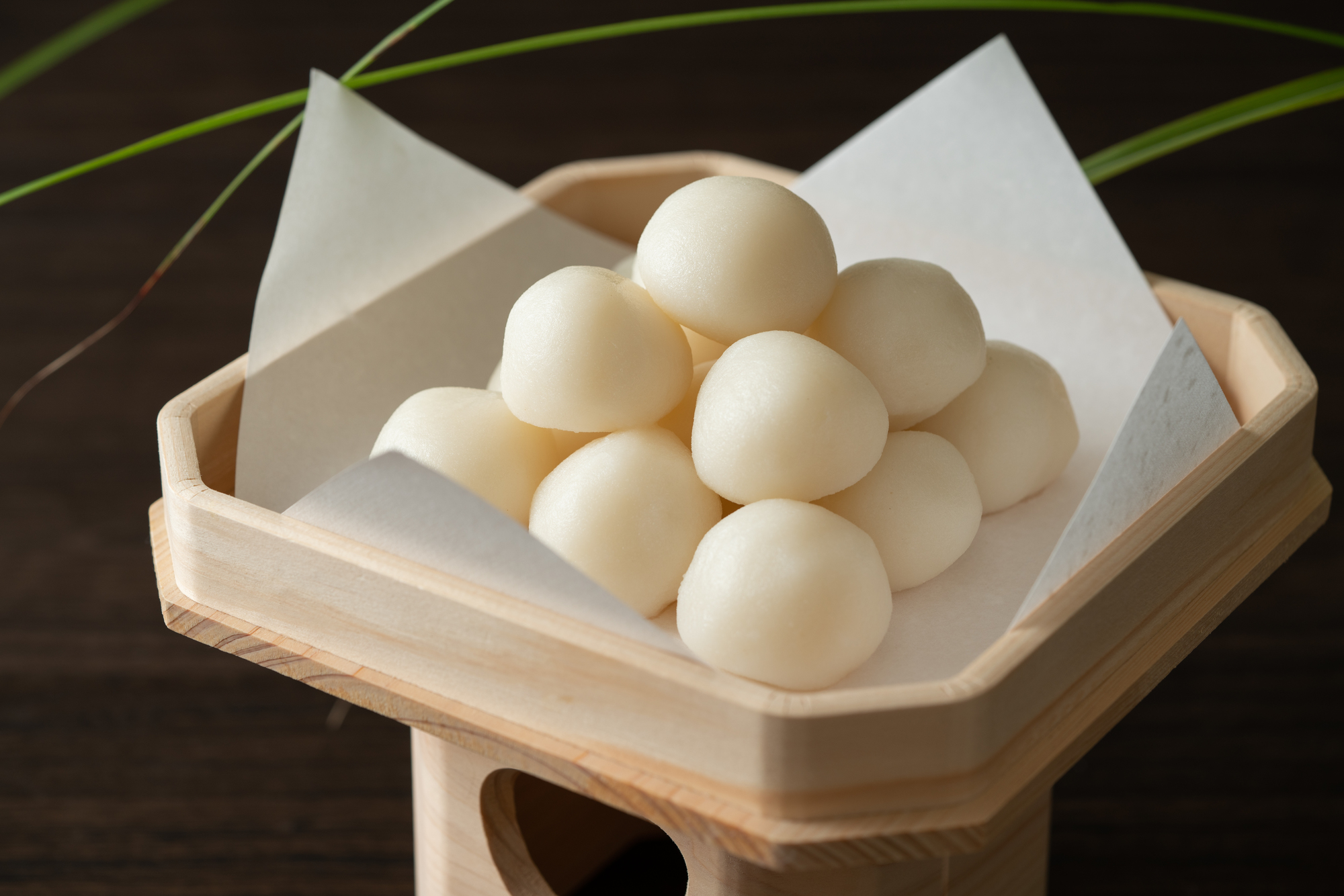
table of contents
Mid-Autumn Moon and Moon Viewing Dumplings
The season for admiring the full moon, known as the "Mid-Autumn Festival," has arrived. This day, which falls on August 15th of the lunar calendar, is also known as the "Fifteenth Night," and in Japan, the custom of offering moon-viewing dumplings and admiring the moon has been deeply rooted since ancient times
In fact, this moon viewing began as an elegant event held at the Imperial Court during the Heian period, where people admired the moon while composing poetry, and eventually spread to the common people during the Edo period, becoming an established culture
The round shape of Tsukimi Dango is meant to resemble the full moon, but why are they called dumplings? Why are there 15 of them? And why are they offered together with Japanese pampas grass and taro? We will unravel these questions and introduce the charm of Japan's beautiful moon-viewing culture
Prayers to the Moon, introduced from China
The origins of the Mid-Autumn Festival date back to ancient China. In China, the Mid-Autumn Festival was celebrated on the 15th day of the 8th month of the lunar calendar, and it was customary to offer round sweets called moon cakes and spend time together as family. This custom was introduced to Japan around 897, in the early Heian period, and the Moon Viewing Banquet is said to have begun as an imperial court event
At the time, aristocrats would compose waka poetry and play musical instruments under the moonlight, competing with each other for elegance. The fact that there are many scenes in which people admire the moon, such as in "The Tale of the Bamboo Cutter" and "The Tale of Genji," shows that the moon was treated as a special entity even in this era
Despite being influenced by China, it has developed in a unique way in Japan. Of particular note is the birth of the concept of the "Thirteenth Night." The idea that not only the fifteenth night of the full moon, but also the moon viewing that follows on September 13th of the lunar calendar, is important, and that only by celebrating both is it complete as "Ryomitsuki," is a manifestation of a truly Japanese aesthetic sense
Moon-viewing culture spread from the Imperial Court to the common people
Tsukimi, which began as an imperial court event during the Heian period, passed through the Kamakura and Muromachi periods, and by the Edo period it had become widely accepted among the common people. The reasons for this popularity include the fact that the waxing and waning of the moon was an important indicator of the times for farmers, and that it was easily accepted as an event to express gratitude as it coincided with the autumn harvest season
The Edo period document "Toto Saijiki" records the custom of making large dumplings measuring 3.5 sun (approximately 10 cm) on the morning of the fifteenth night of the lunar month, giving an idea of just how grand the moon-viewing festivals were at the time. There was also a custom in which children would stick a nail on the end of a bamboo pole and steal moon-viewing dumplings from other families, which they would then be allowed to do as "hand-me-downs from the moon," fostering a warm culture of enjoying moon-viewing throughout the region
What is the deeper meaning behind Tsukimi Dango?
Tsukimi dango are round, of course, to represent the full moon, but their meaning extends beyond that. The round shape symbolizes perfection, harmony, and permanence, and is imbued with prayers for family ties, a bountiful harvest, and peaceful days in which we can continue to admire the moon next year
The reason for stacking 15 dumplings comes from the "fifteen" in the "full moon" festival, but the number itself also has a meaning. In the Chinese philosophy of yin and yang, odd numbers are considered auspicious, representing "yang," and 15, with its odd combination of 3 x 5, has been considered a particularly lucky number
Regional differences in dumpling shapes and customs
Interestingly, the shape of Tsukimi Dango and the way they are offered vary greatly depending on the region. In the Kanto region, perfectly round white dumplings are common, but in the Kansai region, mochi wrapped in sweet bean paste and shaped like taro are the norm. This is thought to be a way of expressing gratitude to taro, as the 15th night of the lunar month is also known as the "sweet potato moon."
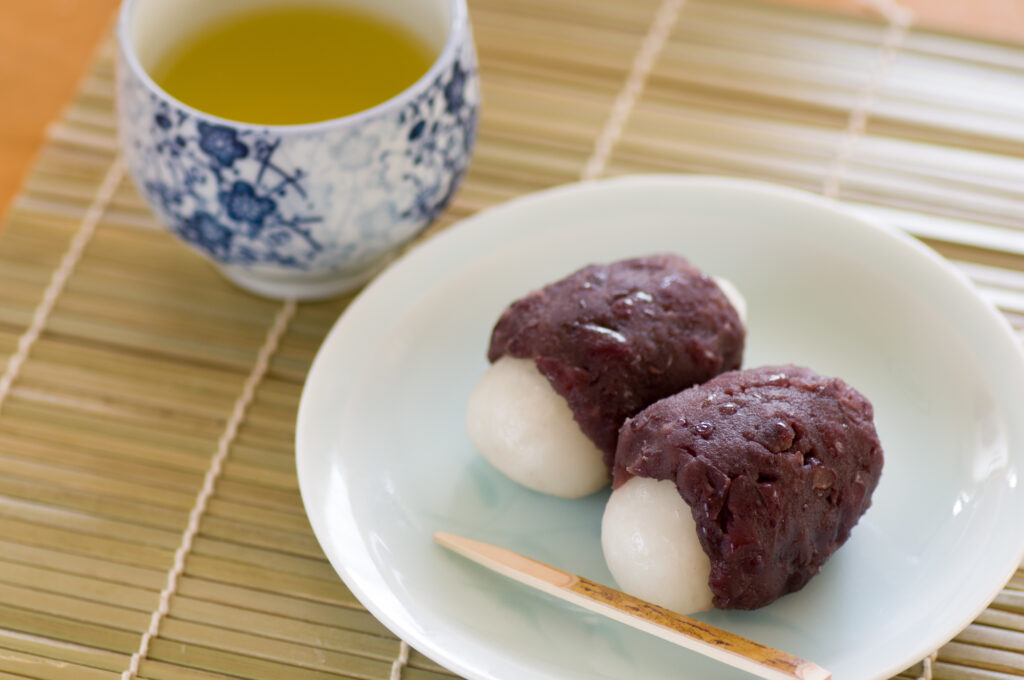
In the Kyushu region, they make something called "heso mochi," which is a dumpling wrapped in bean paste, while in the Chubu region, they offer something similar to "mitarashi dango," which is a skewered dumpling covered in sauce. Each region has developed its own unique style
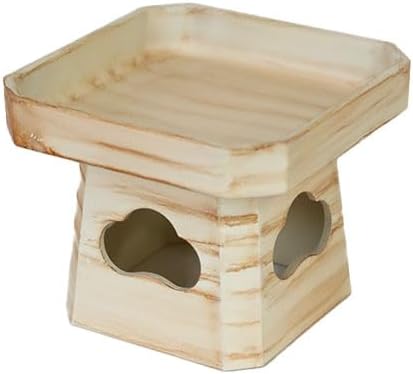
Traditionally, a special three-sided stand is used for formal offerings at moon-viewing ceremonies. This plain wooden three-sided stand is an essential item for beautifully arranging the dango as sacred offerings
It may be rare for an individual household to have such a large arrangement, but if you have a special event where people gather at a facility or event to watch the moon, adding decorations like these will make it feel more authentic
How to make Tsukimi Dango
Traditional Tsukimi Dango are made from dango flour (a mixture of non-glutinous rice and glutinous rice). During the Edo period, it is said that flour made from old rice that had survived the summer was often used instead of new rice. This was for practical reasons, and it was also thought that making old rice into dumplings would make it more delicious to consume
The basic recipe for Tsukimi Dango is surprisingly simple. Add boiling water little by little to the rice flour and knead until it is as soft as an earlobe, then roll it into balls and boil. Once boiled, place the dumplings in cold water to cool, then drain and serve. Size is important; if they are too small, they will resemble "Buddha dumplings," so it is important to maintain a certain size
15 Tips for Beautiful Stacking
It actually takes a high level of skill to stack 15 Tsukimi Dango beautifully. The traditional way to stack them is with 9 on the bottom tier, 4 in the middle tier, and 2 on the top tier, which is the most stable arrangement. However, to officially use all 15, it is necessary to place one on the top tier, which makes them prone to falling apart
The trick is to make the bottom layer of dumplings slightly flatter, increasing the contact surface area and increasing stability. Also, adjusting the moisture content of the dumplings and leaving a moderate amount of stickiness on the surface will make them easier to stick together. Nowadays, to ensure stability while maintaining a beautiful appearance, it is common to stack 14 dumplings, which can also be considered a fine way to view the moon
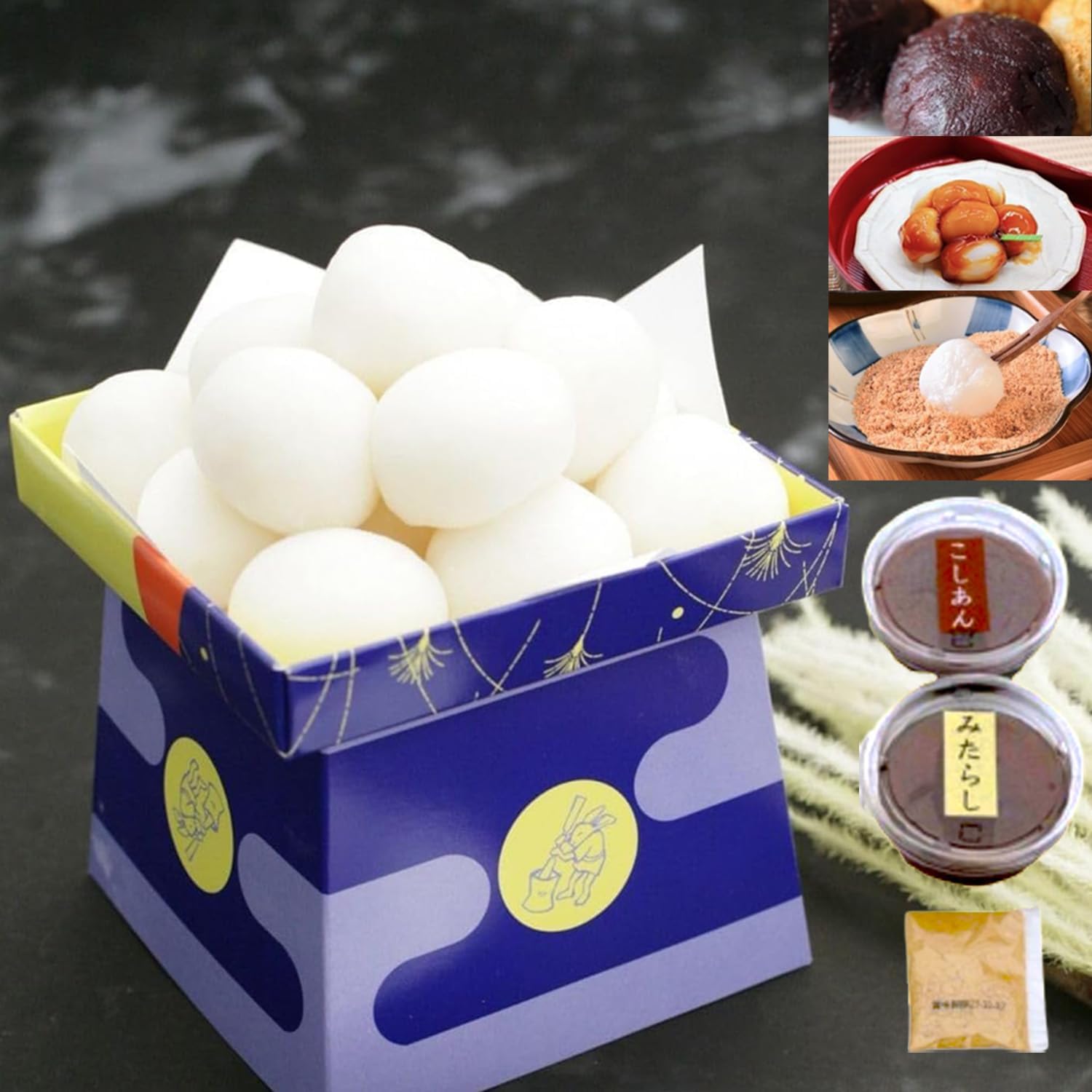
Even in today's busy lives, you can easily enjoy authentic moon viewing by using ready-made products like these. This set, which offers a variety of flavors, is perfect for those who want to enjoy moon viewing with the whole family. It also comes with a three-sided box, so you can immediately start making beautiful offerings the day it arrives
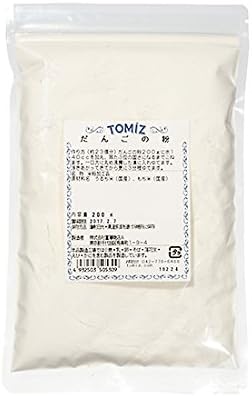
When trying to make your own Tsukimi Dango, it's important to choose high-quality ingredients. Tomizawa Shoten's dango flour is an exquisite blend of non-glutinous rice and glutinous rice, making it easy for even beginners to make the perfect dumplings
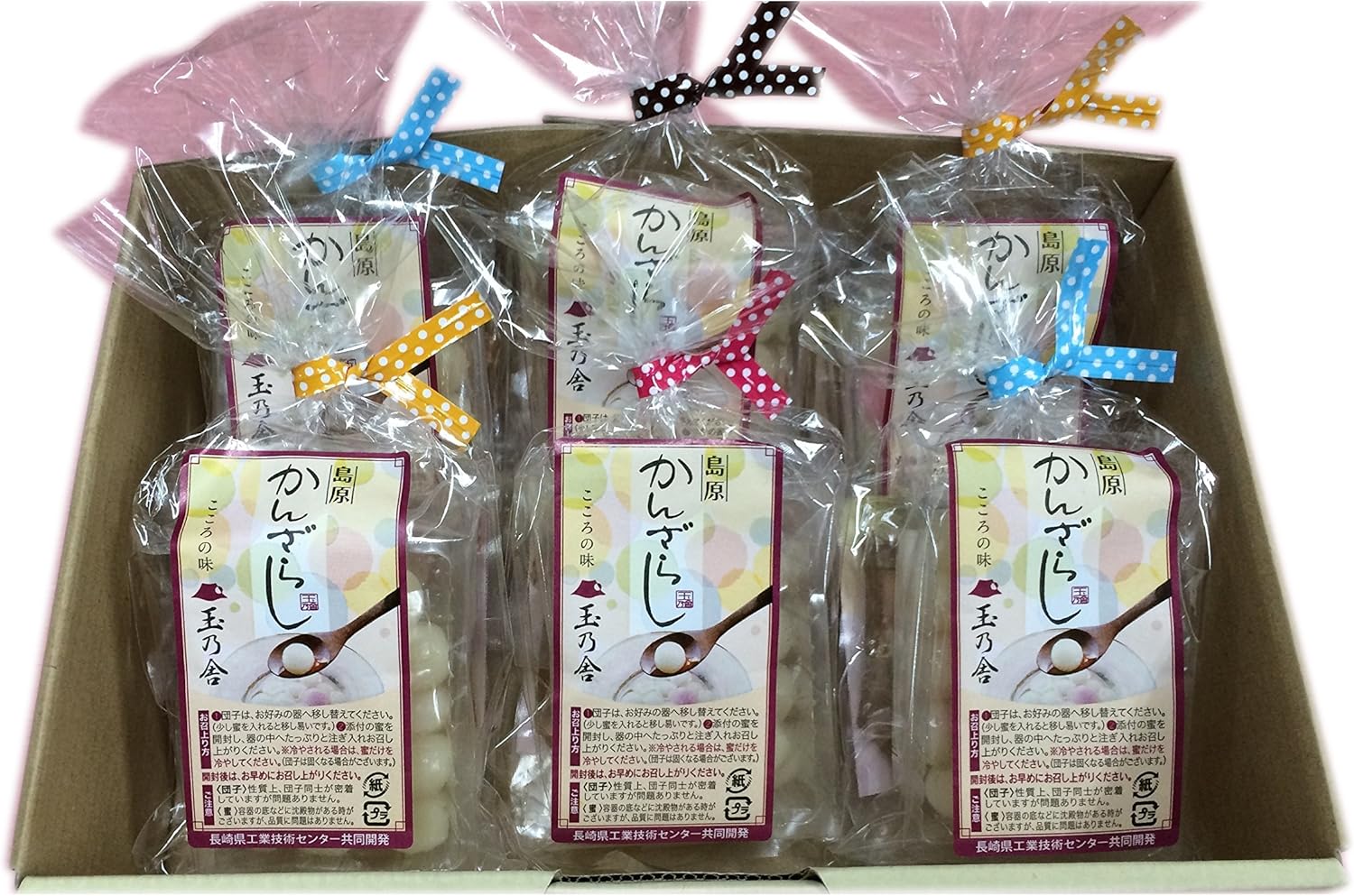
Enjoy refreshing hospitality with Shimabara's local sweets, "Kanzarasi"
Kanzarashi, a refined Japanese sweet that has been loved for over 100 years in Shimabara City, Nagasaki Prefecture, is perfect for the hot season. The name is said to come from the fact that shiratama dango are exposed to cold water, and it has been nurtured along with Shimabara's beautiful spring water culture
Tamanoya's Shimabara Kanzarashi is a masterpiece made with the utmost care using luxurious ingredients while adhering to traditional methods. The chewy shiratama rice balls are springy yet melt in your mouth, and the not-too-sweet syrup has an elegant flavor that you can drink down to the last drop. Eating it chilled will help you forget the summer heat, and even at room temperature you can enjoy the chewy texture and gentle sweetness of the shiratama
summary
When you hear the phrase "Mid-Autumn Festival," many people probably think of rice dumplings. The custom of decorating moon-viewing rice dumplings and gazing at the moon is not just a seasonal event, but an important part of Japanese culture that continues to convey Japan's view of abundant nature and the importance of cherishing family
In the midst of your busy daily life, making dumplings with your family and gazing at the moon is an irreplaceable moment. You will feel a sense of fulfillment as you experience the beauty of nature. It is also a great opportunity for children to experience Japanese culture

Related Articles
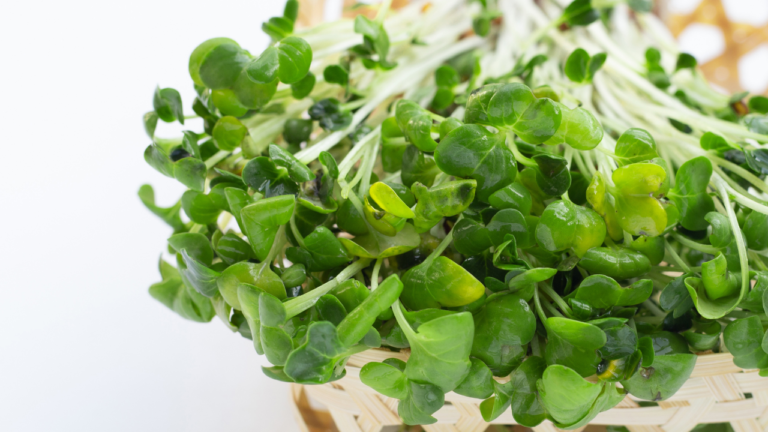
Introducing the characteristics of Kaiwari radish and recipes to use!
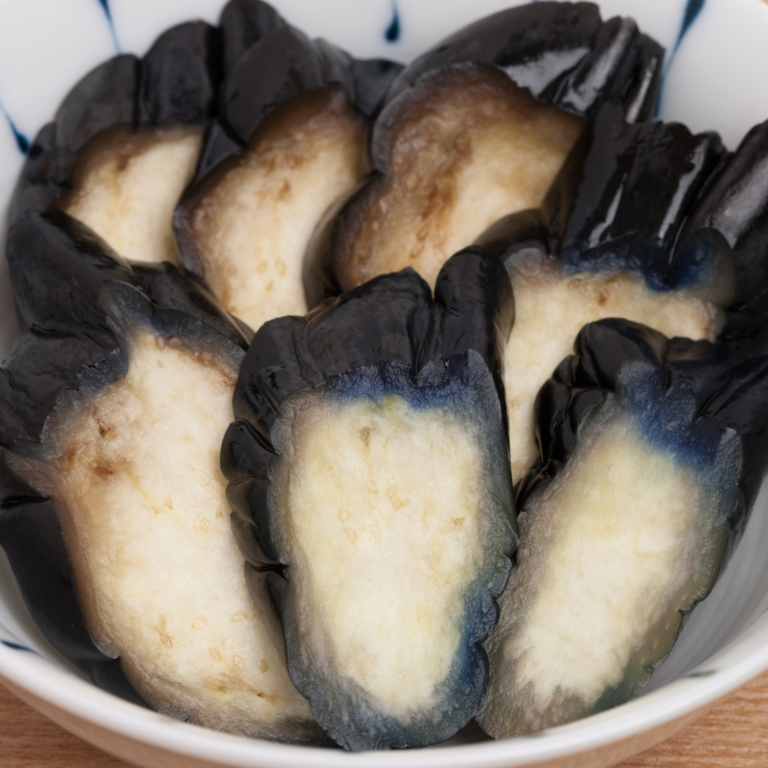
An explanation of light pickles that will make you want to eat in the hot summer!

We'll introduce you to the characteristics of Isaki, when it's in season, and some delicious recipes!
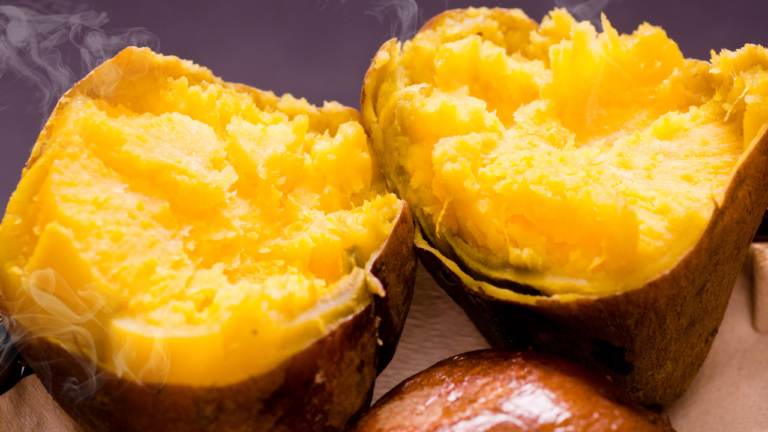
The charm of sweet potatoes and their diverse uses

Enjoy spring cabbage! We also introduce delicious recipes