The charm and enjoyment of pumpkin! A popular vegetable that is affordable and packed with nutrients
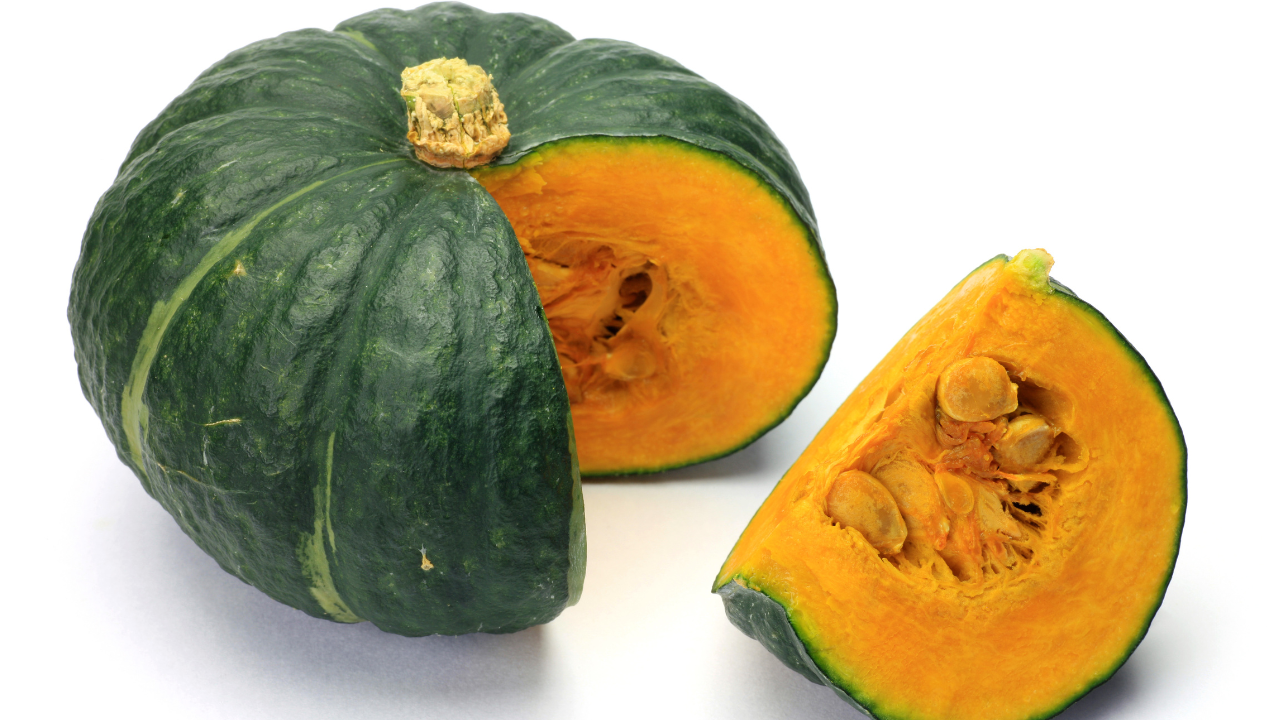
Pumpkins are an affordable vegetable that is highly nutritious and can be stored for a long time, making them popular with many people today. Pumpkins have a long history in Japan, and there are many different varieties, each with its own characteristics, seasons, and ways to enjoy them. In this article, we will introduce in detail the types of pumpkins, their history, nutritional value, and how to enjoy them deliciously
table of contents
Pumpkin varieties and history
Pumpkins are a vegetable that has been popular in Japan for a long time. Japanese pumpkins are characterized by their high water content and refreshing taste. Typical varieties include Hyuga, Kikuza, and the gourd-shaped Shishigatani, a Kyoto specialty. On the other hand, Western pumpkins, which were introduced to Japan in the early Meiji period, are characterized by their fluffy texture and sweet taste, and today, improved Japanese Western pumpkins are the mainstream. Zucchini and squash varieties are also enjoyed as pumpkins
Pumpkin season and how to choose
Western pumpkins are available all year round, but their peak season is in the summer. In the winter, imported pumpkins are the main variety. Japanese pumpkins are in season in early summer, and when choosing, those that are heavy and firm are of high quality. It is also important to choose pumpkins that are full of seeds and have deep yellow flesh
Nutritional Value and Characteristics
Pumpkin is a highly nutritious food, rich in carotene, even among green and yellow vegetables. Carotene is converted into vitamin A in the body, which helps improve immunity, maintain eyesight, and maintain healthy skin. Pumpkins are also rich in vitamin C and dietary fiber, which are expected to have antioxidant properties and promote digestion. Western pumpkins in particular are packed with these nutrients
How to Enjoy Pumpkins
While Japanese pumpkins are ideal for Japanese-style simmered dishes, Western pumpkins can be used in a wide variety of dishes. In addition to simmered dishes, they are also used in a variety of dishes, including stir-fries, fried dishes, marinated dishes, salads, potages, and sweets. This wide variety of uses further enhances the appeal of pumpkins
Pumpkin Recipes
Pumpkin Sunset Soup
Enjoy the delicious taste of pumpkins bathed in the sunset, a taste of autumn. Today we'll introduce you to a recipe for "Pumpkin Sunset Soup." This dish, with its exquisite combination of the sweetness of pumpkin and the creamy soup, will create a hearty and comforting meal
material
- Pumpkin...800g
- Soup (1 solid soup base + water)
- Milk...200ml
- 1 tablespoon cornstarch
- 1 cup fresh cream
- 4 tablespoons sliced almonds
- Salt, pepper, butter
procedure
- Cut the pumpkin into wedges about 2cm wide and peel the skin in places
- Put the pumpkin in a pot, pour in the soup, cover and bring to a boil, simmering until the pumpkin is about 80% soft
- Add the milk, reduce heat to low and simmer for 6 to 8 minutes without boiling
- Dissolve the cornstarch in 2 tablespoons of water and add to thicken
- Add the cream and season with a little salt and pepper
- Add 2 tablespoons of butter for flavor and sprinkle with lightly roasted sliced almonds to finish
This pumpkin sunset soup is the perfect accompaniment for an autumn evening, with its natural sweetness and creamy soup. Enjoy the warming flavor of pumpkin with a hint of almond. Give it a try any time you want a relaxing break
Simmered pumpkin
Here's a recipe for "Kabocha no komameni" (boiled pumpkin) that's delicious and has a great texture. Let's simmer kabocha pumpkin together with edamame soybeans to create a flavorful dish
material
- Pumpkin...400g
- 3 tablespoons boiled and peeled edamame beans
- 4 cups of dashi or water
- Sugar, sake, mirin, light soy sauce
procedure
- Scoop out the pumpkin with a spoon, remove the seeds and pulp, and cut into slightly larger than bite-sized cubes
- Slice the corners into thin strips, chamfer them, and peel the skin in places to allow the flavor to penetrate better
- Place the pumpkins skin-side down in a wide-bottomed pot, making sure they do not overlap, and add stock or water
- Cover with a drop lid and bring to a boil over high heat, then reduce to a gentle simmer and simmer for 2 to 3 minutes
- Add 1 to 1.5 tablespoons of sugar and 2 tablespoons of sake and simmer for another 5 to 6 minutes
- Add 1 tablespoon of mirin and 2 tablespoons of light soy sauce, simmer until the pumpkin is soft, then turn off the heat
- Let it sit for 2-3 minutes to allow the flavors to soak in, then transfer to a serving dish and sprinkle with edamame beans for decoration
summary
Pumpkins are affordable, highly nutritious, and can be used in a variety of dishes. Their diverse varieties, flavors, and ways of using them make them a popular choice for many people. We encourage you to try pumpkins in season and enjoy their deliciousness
Introducing our special recipes for epi recipes

Related Articles
Learn about rapeseed flowers, a vegetable that represents spring in Japan! We also introduce recipes that will make them even more accessible and enjoyable!
Shishito peppers: They may look spicy but are surprisingly mild. The appeal of this versatile ingredient and recipes using them
Rediscovering the charm of sardines – Enjoy Japanese food culture with nutritious recipes
Dissecting the characteristics of konjac and its appeal as a traditional Japanese food ingredient!
Starting with pickled bran to early summer! Introducing easy ways to start fermented foods and recommended containers!