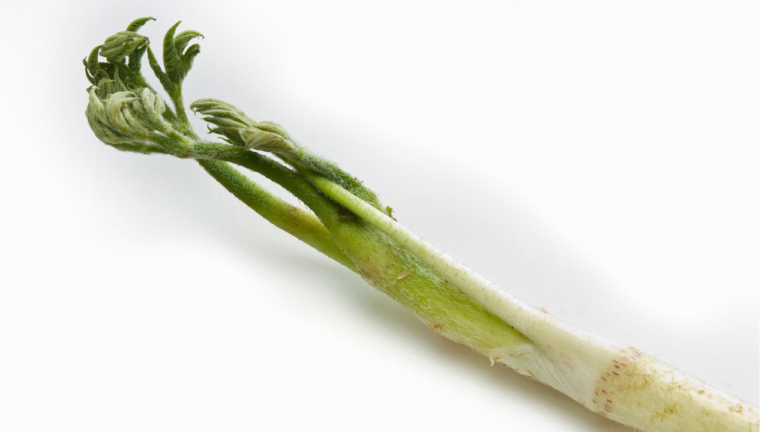
Learn about rapeseed flowers, a vegetable that represents spring in Japan! We also introduce recipes that will make them even more accessible and enjoyable!
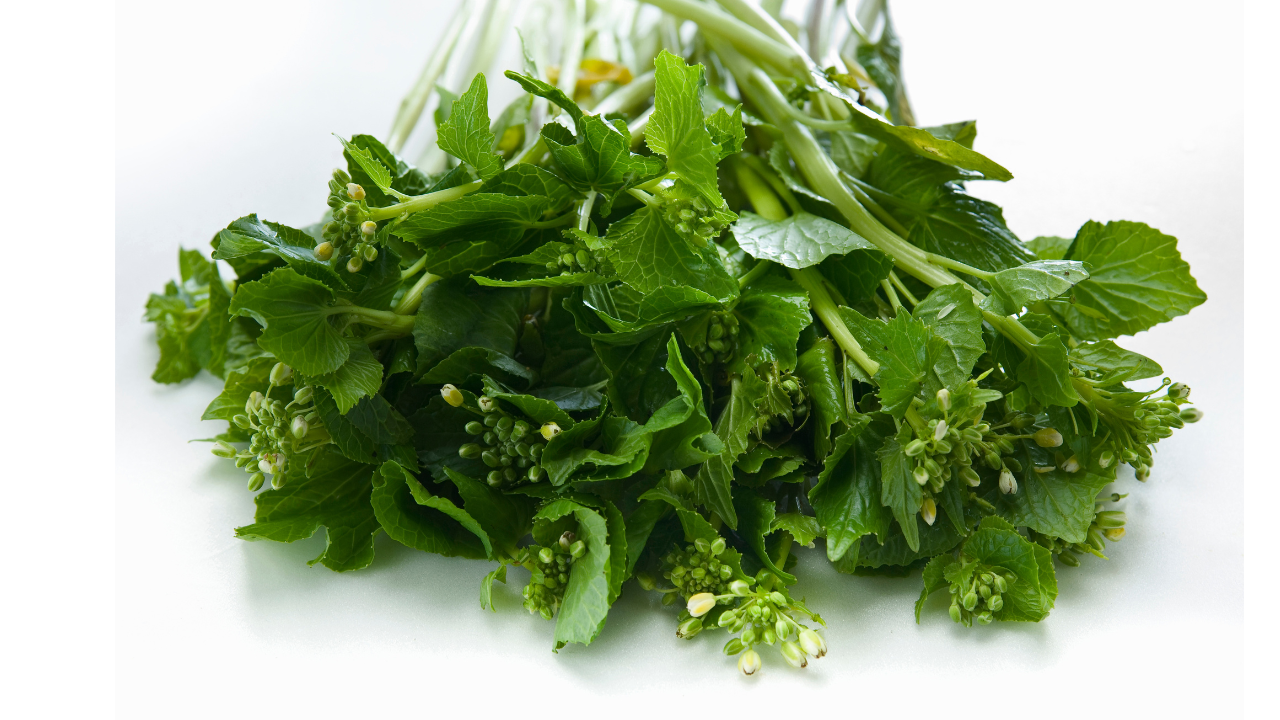
table of contents
Introduction
Nanohana is a seasonal vegetable that is available in markets from autumn to spring, and is especially fresh and delicious in early spring. From March onwards, the price drops and it becomes easier to obtain
In this article, we'll introduce you to the best season for rapeseed flowers, how to choose them, their nutritional value, and delicious ways to eat them. Enjoy the taste of spring with dishes using rapeseed flowers
When is rapeseed blossom season and how to choose it?
Rape blossoms are available from autumn to spring, but are especially known as an early spring vegetable. Prices drop from March onwards, making them easier to find. When selecting them, look for ones that are tied together, have fresh cut ends, thin stems, and have not yet opened flowers. The buds bloom in 2-3 days, so it is best to use them up as soon as possible. To maintain freshness, wrap them in wet paper, place them in a plastic bag, and store them in the refrigerator
Nutritional value of rapeseed
Rape blossoms are rich in carotene, and contain vitamins B1, B2, and C, as well as iron and calcium. They are packed with nutrients that are good for your health, so we recommend eating them as much as possible
Delicious ways to eat rape blossoms
There are many delicious ways to enjoy rape blossoms. First, remove the tough stems and boil them, then use them in boiled greens, salads, stir-fries, etc. Recently, they have also become popular as Western-style hors d'oeuvres
In particular, hors d'oeuvres made with rape blossoms are delicious and beautiful to look at. If you soak them in water for a few hours, as shown in the photo, the leaves will stretch out and stay fresh when served
Try these recipes using rape blossoms and enjoy the deliciousness of spring
Spicy rape blossoms
Ingredients (serves 4)
- rape blossoms
- 1 tablespoon beaten mustard
- Salt, light soy sauce, sake
- Cut off the tough part at the base of the rape blossoms and wash them thoroughly in water
- Bring plenty of boiling water to a boil in a large pot, add a little salt, and boil the rapeseed flowers in 3 or 4 batches
- Once cooked, immediately place under running water, squeeze out the water and cut into 2cm lengths
- Add the melted mustard greens, 2 tablespoons of light soy sauce, and 1 tablespoon of sake to a bowl and mix
- Squeeze the water out of the rapeseed flowers once more, add them to the prepared bowl, mix roughly and serve on a plate
You can also add mustard to taste and mix it with the rape blossoms for a delicious dish
Rape blossoms marinated in kelp
Ingredients (serves 4)
- rape blossoms
- 2 pieces of kelp (approximately 10cm long)
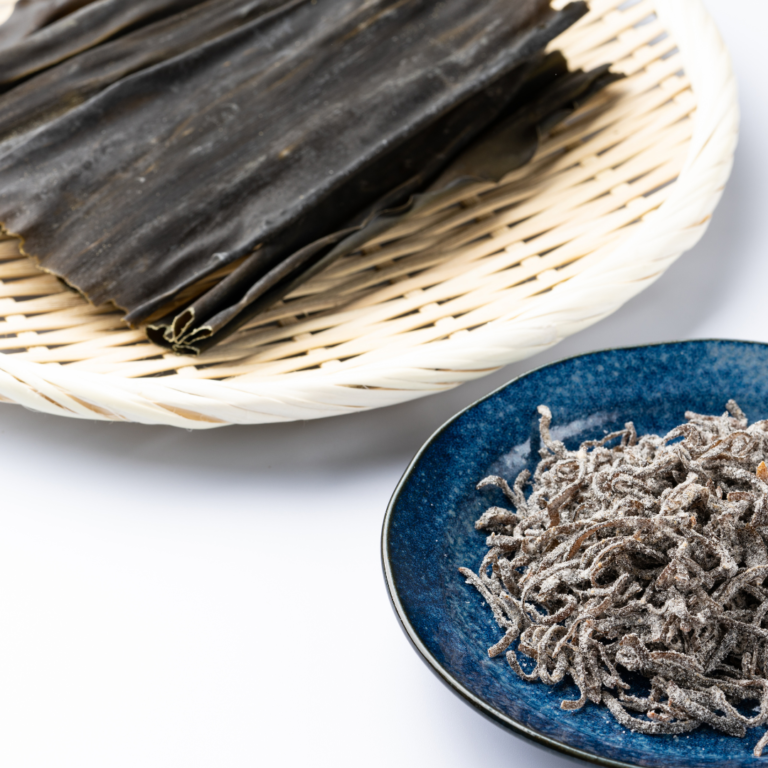
- Oboro Konbu
- seasoning with sake
- Wash the rape blossoms, cut off the roots, quickly boil them in hot water, then transfer them to cold water and squeeze out the water
- Lightly wipe the kelp with a wet cloth and sprinkle with 2 tablespoons of sake to rehydrate
- Place the rape blossoms between two pieces of kelp, sprinkle lightly with salt, place a weight on top and leave for 2-3 hours to allow the flavors to blend
- Cut the rape blossoms into bite-sized pieces, arrange them in a bowl, and top with oboro konbu
- Add light soy sauce to taste and it's done
Try these recipes to enjoy the new deliciousness of rape blossoms: spicy dressing and kombu-jime. Enjoy the elegant flavor of rape blossoms in a new way
summary
Rape blossoms are a delicious vegetable that heralds the arrival of spring and are highly nutritious. Get them when they're in season and use them in a variety of dishes. Be sure to store them carefully to maintain freshness, and enjoy delicious rape blossom dishes
Introducing our special recipes for epi recipes

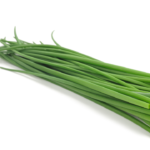
Related Articles
We introduce recipes that make use of the types and characteristics of the indigenous species and squid!

The appeal of sausages and recipes to use! A thorough explanation from the basics to arrangements
Discover the charm of Chinese cabbage! Enjoy the taste of winter
[Latest version] Easy and delicious! Here's a summary of how to choose meal kits without making a mistake and a list of eight popular companies!
The appeal of kelp and recommended recipes: Learn about the traditions of Japanese food culture and the appeal of the bounty of the sea that supports health!