Introducing the charm of taro and its diverse recipes!
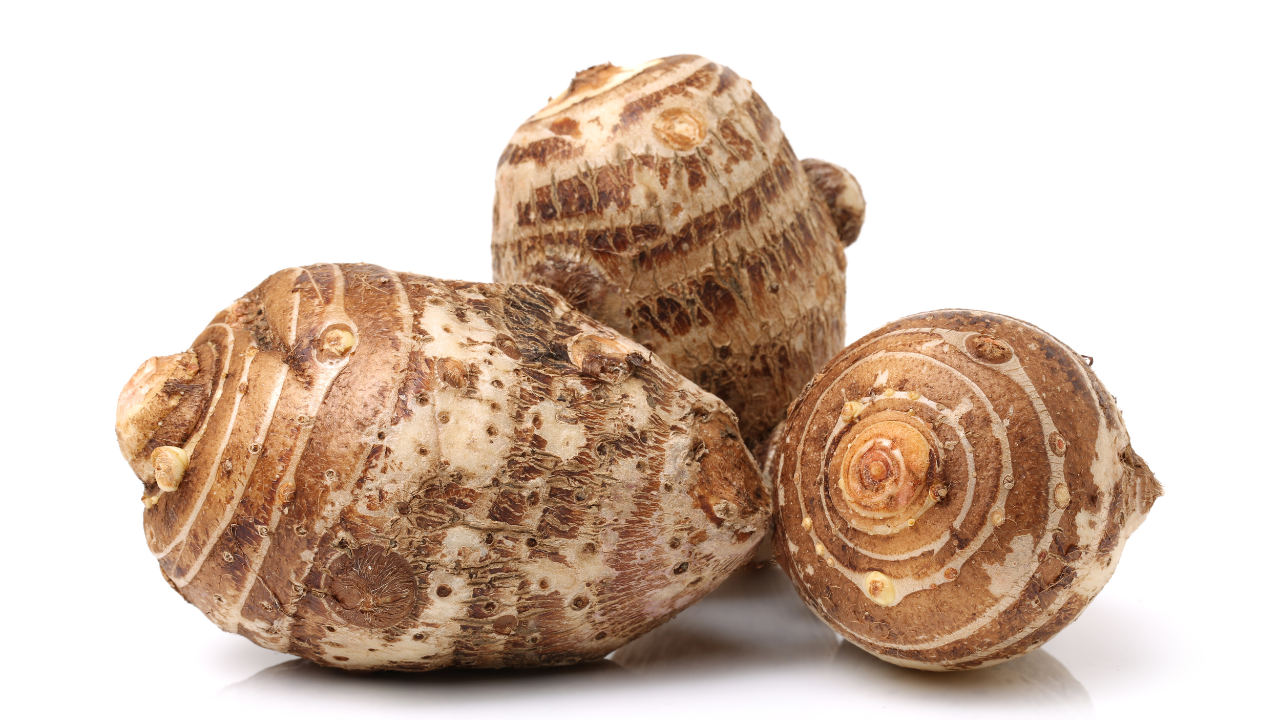
table of contents
The origins of taro and the wide variety of varieties
Taro is named after the Japanese yam, meaning "satoimo" (taro potato). Native to tropical Asia, it is a food ingredient with a long history, having been introduced to Japan before rice cultivation. There are many varieties, each with its own characteristics. For example, there are the Yatsugashira and Celebes varieties, which are eaten as parent potatoes, and the Ishikawa potato (Ishikawa Wase), which is popular as a baby potato. Each has a rich flavor and a different texture
Taro in season and how to choose it
Taro is available all year round, but is best harvested from summer to autumn. When purchasing, look for ones with mud still on them and that the mud is moist to indicate freshness. Round taro is said to taste better than long, thin taro. After purchasing, it is important to wrap it in newspaper or similar to keep it moist
Recommended recipes using taro
Carrying clothes
Fresh taro and Ishikawa potatoes are best enjoyed steamed in early autumn. Yatsugashira potatoes are white and perfect for simmered dishes, and are an essential part of Kyoto's ozoni (New Year's soup). Shrimp potatoes also go well with Kansai-style dishes
Ingredients (serves 4)
- Taro (small): 12 pieces
- Roasted black sesame seeds: as needed
- Salt: moderate amount
How to make it
- Wash the taro thoroughly and place it in a pot with the skin on. Add water until it is just covered, then boil it over the heat until it is soft
- Add a little over 1 teaspoon of salt, turn off the heat and leave for about 10 minutes. Use the residual heat to boil the taro until it is soft and plump
- Remove the taro to a colander and let it cool, then insert a knife about 1cm from one end and peel off just the top part of the skin
- Mix roasted sesame seeds and salt in a 3:1 ratio, add a little water and roast until the sesame seeds are cooked through and the water has evaporated. This is how you make sesame salt
- Sprinkle sesame salt on the peeled parts of the taro, then arrange in a serving dish and you're done
This "Koromo Katsugi" is a dish that perfectly matches the natural sweetness of taro with the fragrant aroma of sesame salt. Taro is characterized by its softness and gentle flavor, and the accent of roasted sesame seeds really whets the appetite. It's also easy to make and low in calories, making it perfect for everyday meals or for entertaining guests. Please enjoy the soft texture of taro and the flavor of sesame salt


Related Articles
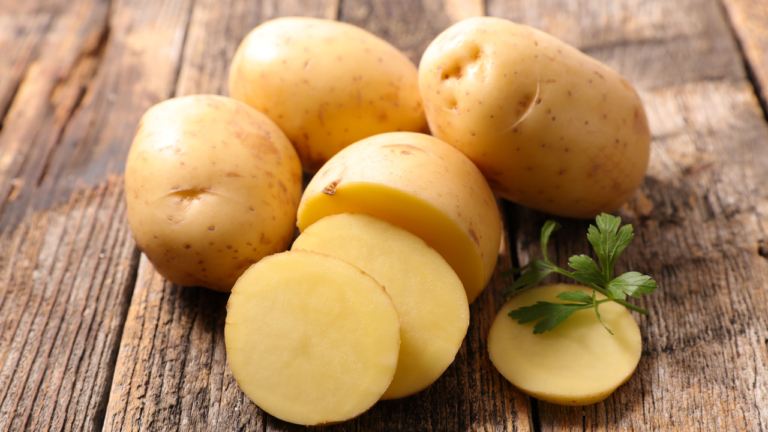
Potatoes and a wide variety of recipes
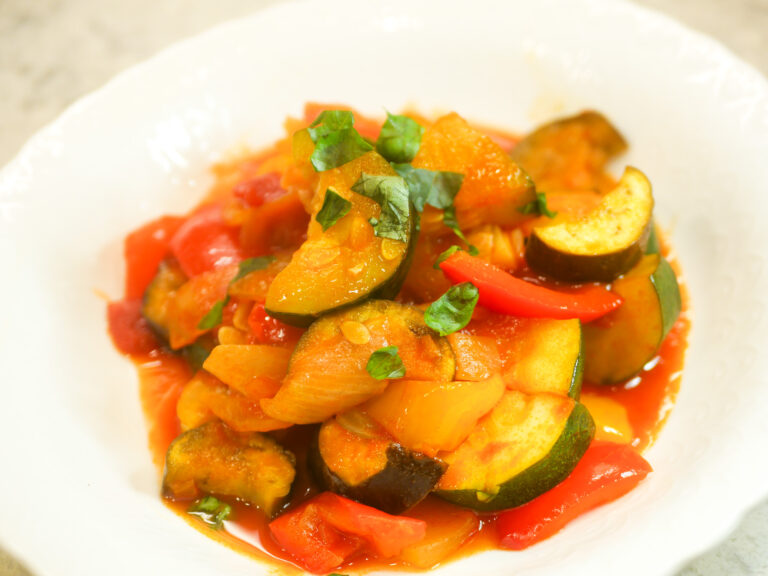
Perfect for preparing side dishes or side dishes! Ratatouille made with plenty of summer vegetables
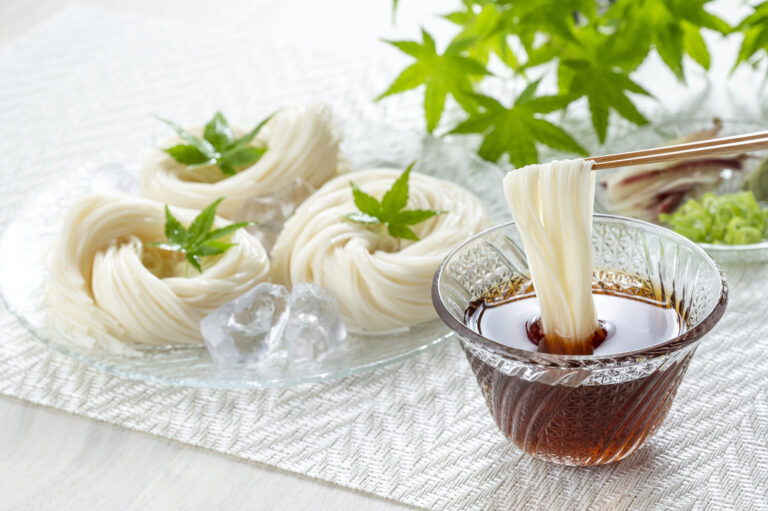
Does the company Ibonoito not exist? Uncovering the secrets of somen noodles to help you get through the hot summer!
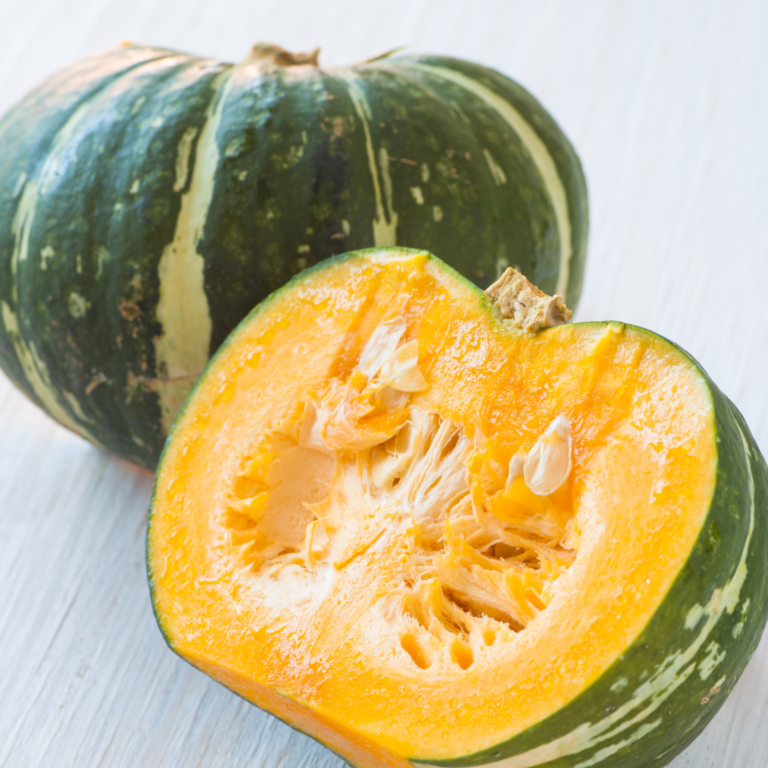
Explaining the history, nutrition, and appeal of pumpkins!
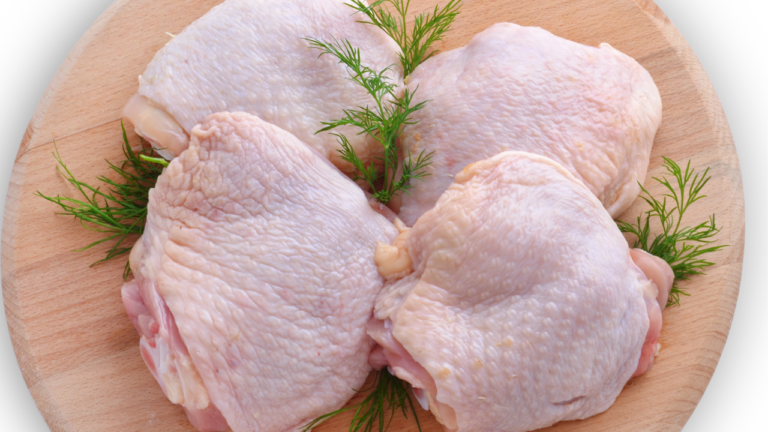
Chicken: We introduce the characteristics of each part of chicken and recommended recipes that make use of each of the characteristics!