Types and History of Vinegar: Discover the Secrets of the Acidity that Adds Color to Your Dishes and Its Health Benefits!
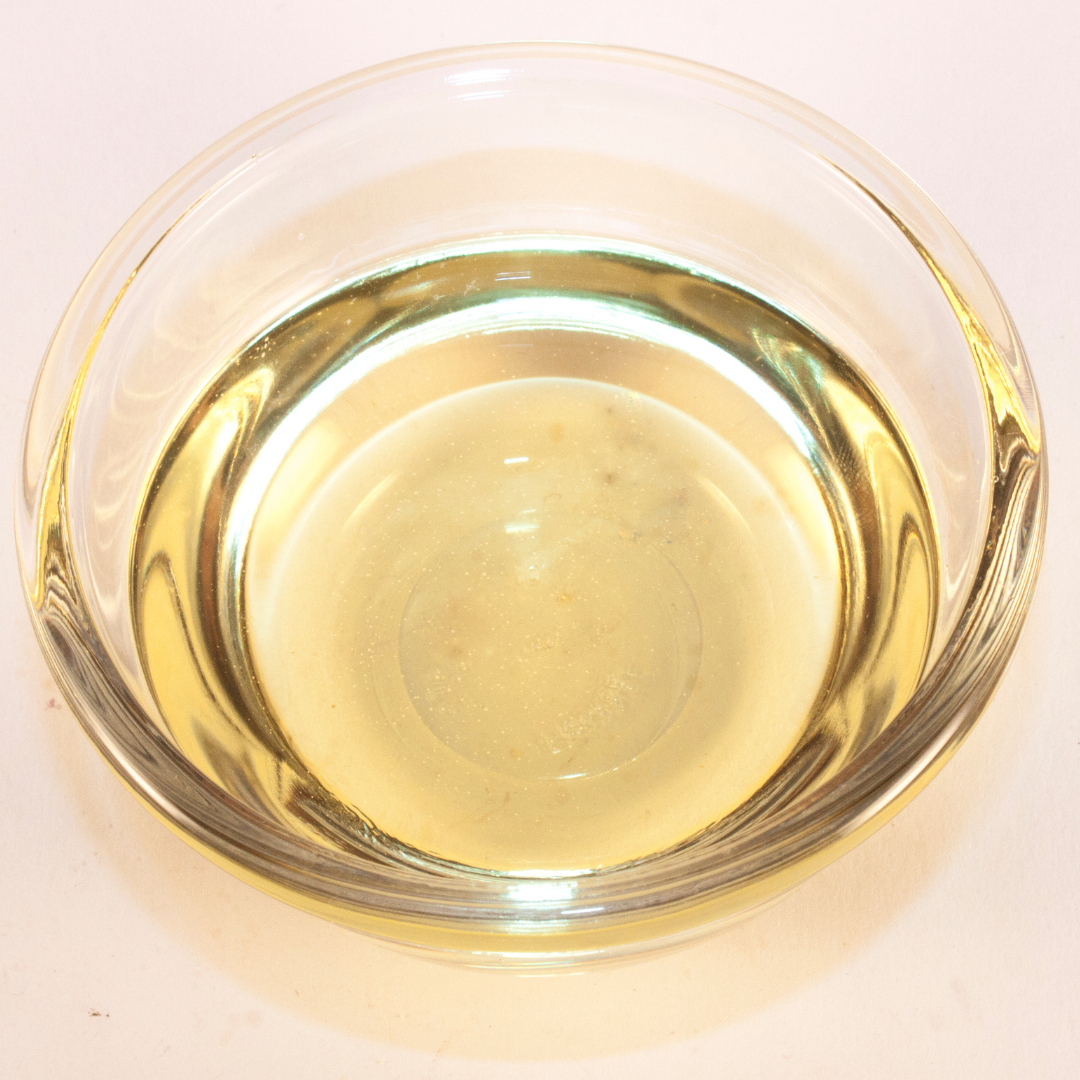
Vinegar is made from fermented alcoholic beverages made from grains and fruits, and is produced through acetic acid fermentation by acetic acid bacteria
This fermentation process produces not only acetic acid, but also organic acids such as lactic acid, succinic acid, malic acid, and citric acid, as well as amino acids, esters, alcohols, and sugars, giving vinegar its unique flavor and aroma. Vinegar is sometimes used for sterilization and preservative purposes, and its acidity is also indicated by the acid dissociation constants of acetic acid and lactic acid
The name of vinegar varies depending on the manufacturing method and ingredients. The kanji characters for "vinegar" and "sake" share the same radical, and its origins date back to prehistoric times, giving a sense of its history as a food ingredient that has walked alongside humankind
In particular, as the French etymology of "vinaigre" indicates, vinegar originated when alcoholic beverages were oxidized and turned sour, demonstrating the deep connection to brewing culture
table of contents
The history of vinegar
Vinegar is said to be "the oldest seasoning created by mankind," with records dating back to Babylonia in 5000 BC. It is also recorded that around 4000 BC, there was a culture of making vinegar from wine and beer and using it to make pickles. These facts show that vinegar has a very long history and is closely linked to human food culture
The production method of vinegar and its evolution
There are several methods for producing vinegar, including the Orleans process, the drip method, and the submerged culture method. The Orleans process is the most classical method, producing vinegar with a unique, mellow aroma. On the other hand, the submerged culture method is suitable for modern industrial production, and can produce large amounts of vinegar in a short amount of time. The evolution of these production methods has greatly contributed to improving the production efficiency and quality of vinegar
Classification and types of vinegar
There are many different types of vinegar depending on the ingredients, manufacturing method, and region. Here we will introduce some of the most common types of vinegar and their characteristics. These vinegars not only enhance the flavor of food, but are also expected to have positive effects on health and beauty
Rice vinegar
Rice vinegar is a type of vinegar that is essential to Japanese cuisine and is made from rice. Its mellow, sweet flavor is used in sushi and vinegared dishes, enhancing the flavor of the dish. Rice vinegar is also rich in amino acids and organic acids, and is said to be beneficial for health
Black vinegar
Black vinegar is made primarily from glutinous rice and barley and is aged for a long period of time. It is characterized by its deep color and strong flavor. Chinese black vinegar in particular is known for its rich flavor and health benefits, and is said to be effective in relieving fatigue and improving blood flow
Fruit vinegar
Fruit vinegars made from fruit include apple cider vinegar and grape vinegar. These vinegars are characterized by the natural sweetness and acidity of fruit and are often used in dressings and desserts. They also have antioxidant properties and are said to be good for beauty and health
Balsamic Vinegar
Balsamic vinegar, which originates in Italy, is made from grapes and aged in wooden barrels for many years. It has a unique sweet and sour taste and a rich aroma, and is used in a wide range of dishes, such as salads, cheese, and fruit
lees vinegar
Kasu vinegar is a type of vinegar unique to Japan that is made from sake lees. It was once often used to season vinegared rice for sushi, and is characterized by its unique aroma and flavor. Kasu vinegar is rich in nutrients derived from sake lees, and is said to be useful for maintaining good health
synthetic vinegar
Synthetic vinegar is made by diluting acetic acid with water, and is inexpensive and can be mass-produced. It is widely used in food processing and as a home seasoning, but it has less of a distinctive flavor and nutritional value than brewed vinegar
summary
Vinegar has been an important seasoning used by humans since ancient times, and there are many different types and methods of production. By learning about its historical background and the evolution of its production methods, we can gain a deeper understanding of the depth and cultural value of vinegar. Dishes that use vinegar play an essential role in our diet, taking advantage of its flavor and health benefits


Related Articles
Explaining the history, nutrition, and appeal of pumpkins!
Packed with nutrition! We'll show you how delicious carrots are and how to make the most of their nutritional value with these recipes!
Rediscovering the charm of sardines – Enjoy Japanese food culture with nutritious recipes
Introducing saury, a seasonal fish to enjoy during the autumn season!
Enjoy the appeal and nutrition of edamame from summer to autumn