The world of bonito: An explanation of the bounty of the ocean and its appeal as a food ingredient that deeply lives in the Japanese food culture!
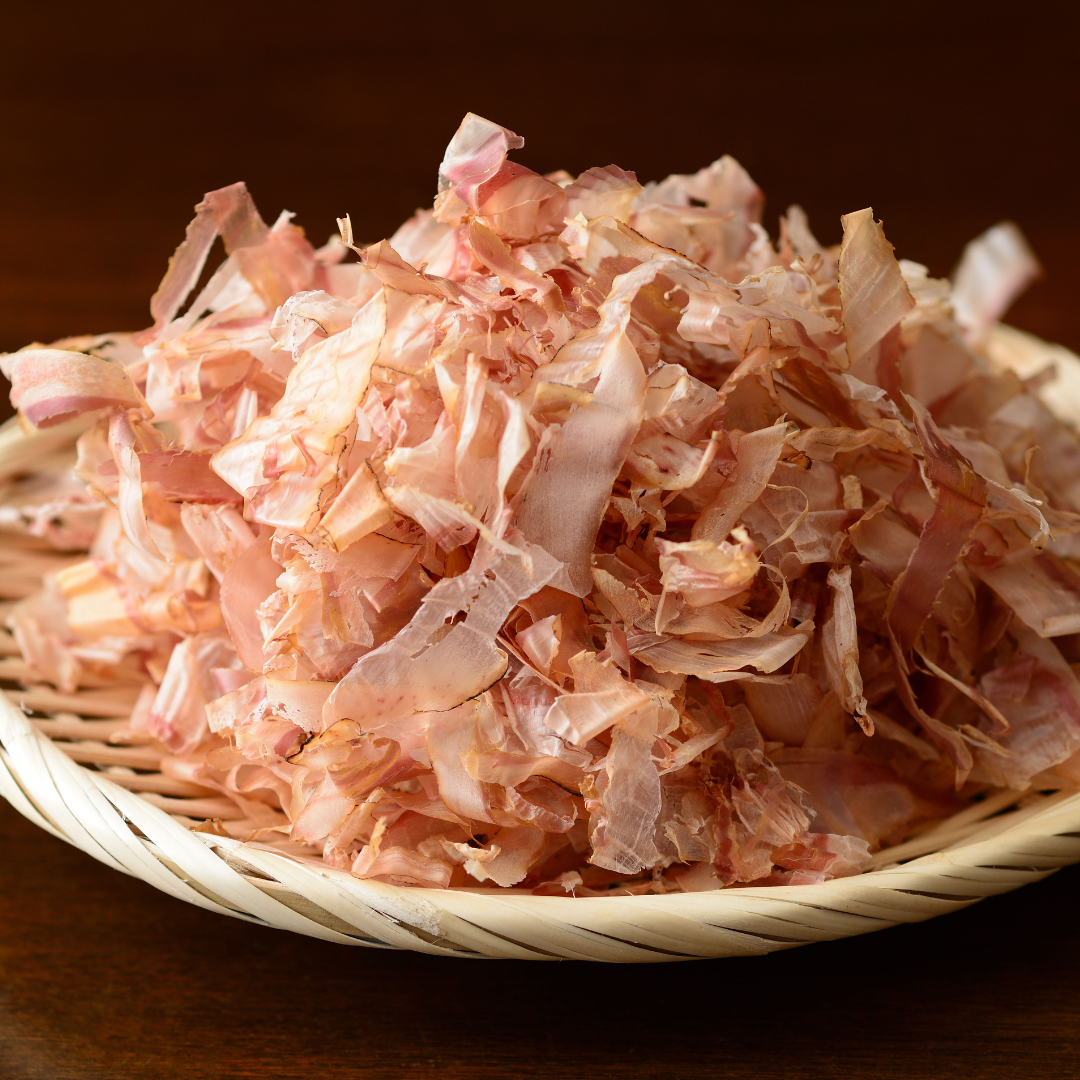
table of contents
Features
Skipjack tuna (scientific name: Katsuwonus pelamis) is a fish belonging to the family Scombridae in the order Perciformes. It is a large carnivorous fish that can reach a total length of 1m and weigh 18-20kg, with a deep indigo blue dorsal side and a silvery white ventral side. It is particularly distinctive in that horizontal stripes appear on its ventral side when it is excited
ecology
Skipjack tuna are widely distributed throughout tropical and temperate waters around the world, and are commonly found on the Pacific coast of Japan. They prefer warm waters between 19 and 23 degrees Celsius, and in the waters around Japan they migrate seasonally, heading north in the spring and south in the fall. They are carnivorous, feeding on a wide range of fish, crustaceans, and cephalopods
Bonito fishing and culture
The role of fishing
Bonito occupies an important position in Japan's fishing industry. The first bonito of the year, known as "hatsuo," is especially prized in Japan. In autumn, when the bonito is fatty, it is called "modori-katsuo" and offers a different flavor
Cultural background
Bonito has been eaten in Japan since ancient times, and processed products such as dried bonito are also important. During the Edo period, there was a special demand for the "first bonito" and it was very expensive. There are also bonito-related cultures and events all over Japan
Use of bonito as a food ingredient
dried bonito flakes
Katsuobushi, made by drying and smoking bonito meat, is an essential seasoning in Japanese cuisine, and Makurazaki City in Kagoshima Prefecture boasts the highest production volume in Japan
Sashimi and
Seared bonito sashimi is all about freshness. If it's fresh, it won't have much of an odor and can be enjoyed simply with grated daikon radish and soy sauce. Seared bonito is typically made by searing the skin over straw and then marinating it in ice. The key is to enjoy it as close to raw as possible, without overcooking it
Canned foods and hand-kneaded sushi
Bonito is also an important ingredient in canned foods, with the majority of the world's bonito catch being canned. In Japan, bonito marinated in a soy sauce-based sauce is sometimes used to make hand-kneaded sushi
Recommended recipes using bonito
Preparation and recipe for seared bonito
Preparation
- Prepare two bonito pieces by filleting them and place them skin-side down on a cutting board
- First, insert a metal skewer into the center of the bonito, then cross it over at the front to form a fan shape (see photo ①)
- When grilling, hold the central part of the skewer firmly and hold the skin side over an open flame until the surface turns white. Turn it over and grill the flesh in the same way, then immediately place it in ice water to cool
- Remove the metal skewers by turning them and wipe off any excess water with a dish towel
Seared bonito with raw vegetables
Ingredients (serves 4)
- Bonito (for sashimi): 300g
- Cucumber: 150g
- Carrots, celery, and bell peppers (combined): 70g
- Wonton wrappers: 6-7
- Roasted white sesame seeds: 1 tablespoon
- Chinese Dressing Ingredients
How to make it
- Cut the bonito into 4-5mm thick slices. Thinly slice the cucumber, carrot, celery, and bell pepper
- Cut the green onions into thin strips lengthwise, soak them in water, then drain. Deep fry the wonton wrappers in oil and crush them roughly. Mix the dressing ingredients together
- Arrange the bonito in a bowl and top with the chopped vegetables, green onions, wonton wrappers, and sesame seeds for a colorful look. Just before serving, pour the dressing over the dish, mix well, and serve
This recipe starts with basic preparation of seared bonito, then combines it with raw vegetables to create a healthy and colorful dish. The rich flavor of the bonito and the crunchiness of the fresh vegetables are a perfect match, adding a touch of spring and summer color to your table
summary
Bonito is a fish beloved by many people due to its unique ecology and its important role in Japanese food culture. One of the charms of bonito is that you can enjoy its seasonal flavors, from the "first bonito" in spring to the "returning bonito" in autumn. Bonito, used in a variety of dishes including bonito flakes, is an indispensable part of the Japanese kitchen
We also introduce special recipes for epi recipes

Related Articles

The appeal of sausages and recipes to use! A thorough explanation from the basics to arrangements
The charm and enjoyment of pumpkin! A popular vegetable that is affordable and packed with nutrients

We'll show you how to make red bean paste, a recipe you'll want to master before the New Year!
Packed with nutrition! We'll show you how delicious carrots are and how to make the most of their nutritional value with these recipes!
We'll introduce you to the appeal of lamb and some recommended recipes using it!