We'll show you how to make red bean paste, a recipe you'll want to master before the New Year!

Introduction
Christmas is a joyous season, but soon New Year's will be upon us. Speaking of New Year's, "anko" (sweet red bean paste), which pairs perfectly with Japanese sweets and mochi (rice cakes), is an essential part of the celebration. If you make it at home, you can enjoy a gentle sweetness and a strong bean flavor that is a little different from store-bought. Many people especially enjoy dishes using anko, such as "ohagi" (rice dumplings) and "zenzai" (red bean soup) during New Year's celebrations
In this article, we will introduce you to the basic recipe for making bean paste, which you will want to master before the New Year. Why not start your New Year preparations a little early and surprise your family and friends with the taste of homemade bean paste this year?
About red bean paste
Red bean paste (anko) is an ingredient that has played an important role in the traditional food culture of East Asia. Its rich sweetness and unique texture make it popular in a variety of dishes and desserts, including Japanese and Chinese sweets. This article will introduce the different types of red bean paste, how to make it, its birthplace, history, and its development in Japan
What is azuki bean paste?
Azuki bean paste is a paste made from boiled and mashed azuki beans, seasoned with sugar and salt. Its color is typically a deep reddish-brown, derived from the bean skin, but white azuki bean paste also exists. While it is widely used in cooking and sweets, there are also distinctive production methods and usage methods that vary by culture and region
Types of red bean paste
Azuki bean paste can be divided into several types depending on the production method and texture
Tsubuan (bean paste with whole grains)
This is made by leaving the shape of boiled azuki beans intact. It has a chewy texture and is used in dishes such as zenzai and ohagi
Crushed bean paste
It is made from boiled and mashed red beans. It has a good balance of smoothness and granularity, and is used in dumplings and manju
Strained bean paste (koshian)
It is made by straining boiled azuki beans and removing the skin. It has a smooth texture and is used in sweets like yokan and dorayaki
Sarashi-an (bleached bean paste)
The bean paste is made by soaking dried red beans and has excellent shelf life
Let's take a look at the history and origins of bean paste
The origins of red bean paste are said to date back to China. In China, it is known as "dosha" and has long been used in dim sum and Chinese sweets. It was later introduced to Japan via the Korean Peninsula, where a unique Japanese bean paste culture developed
There are records of adzuki beans being cultivated in Japan as early as the Heian period, but it is believed that adzuki bean paste became widely popular after the Edo period. At that time, as sugar became more widely available, sweet bean paste began to be made, and the culture of Japanese sweets flourished
How to make red bean paste
Below is the basic method for making azuki bean paste
Ingredients (easy to make amount)
- Red beans: 300g
- Sugar: 270-300g
- Salt: 1/2 tsp
How to make it
- Washing the adzuki beans
Place the adzuki beans in a colander and rinse them quickly under running water. - to remove the astringency
, and boil over medium heat for 10 to 15 minutes, then discard the cooking water. - Boil the adzuki beans until soft.
Put the adzuki beans and fresh water in a pot and bring to a boil over medium heat, then reduce heat to low and simmer for about 30 minutes. - sugar
to the softened beans in two batches and mix well. - Add
salt to taste and simmer until the liquid is reduced.
summary
Homemade red bean paste is a special dish that makes the most of the flavor of the ingredients. Unlike store-bought red bean paste, you can adjust the sweetness and texture to your liking, so it's sure to be a hit with family and friends. This New Year, why not enjoy a slightly different, warming experience with Japanese sweets and zenzai made with homemade red bean paste?


Related Articles
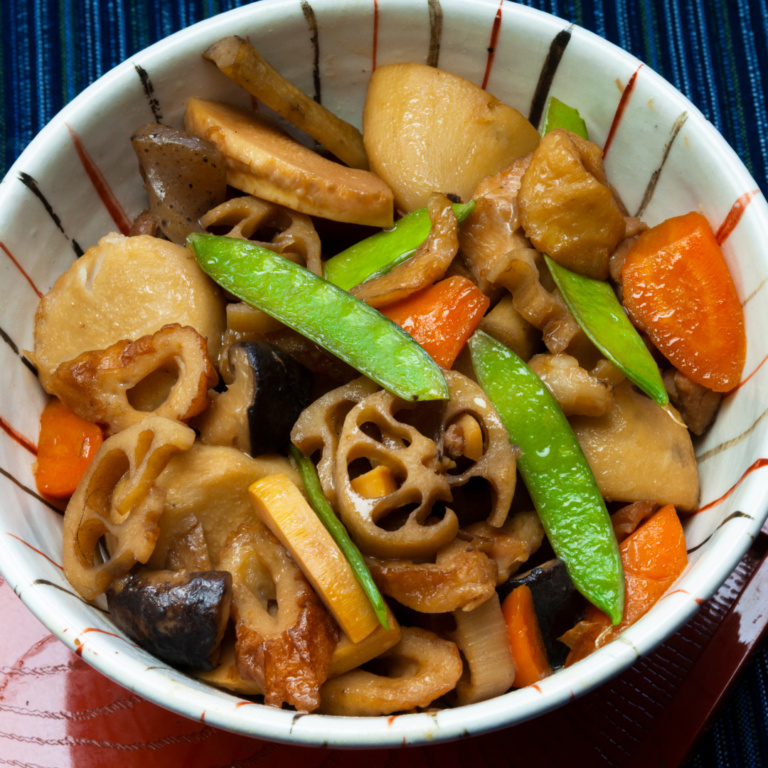
Introducing Chikuzenni recipes using spring root vegetables!
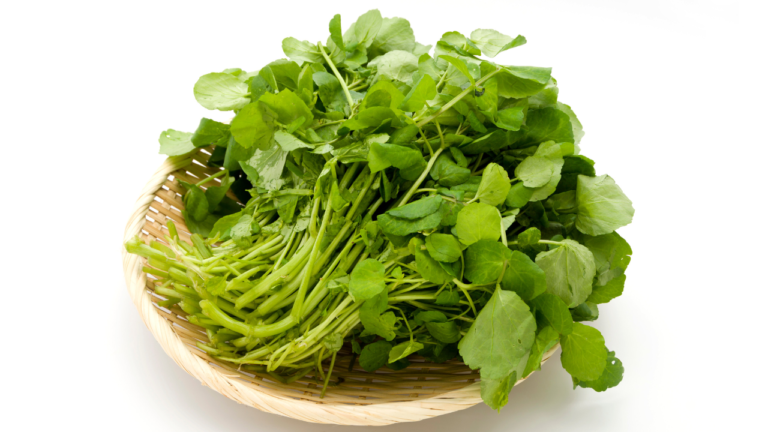
Delicious and nutritious! How to eat and choose watercress deliciously

I want to make it for Valentine's Day! Introducing Gateau Chocolat

A fascinating citrus fruit that is available from spring! Introducing recipes to enjoy Amanatsu
It's full of nutritious and has a delicious crunchy texture! The appeal of lotus root and recommended recipes