Introducing "hoto," a dish you'll want to eat during the chilly autumn and winter!
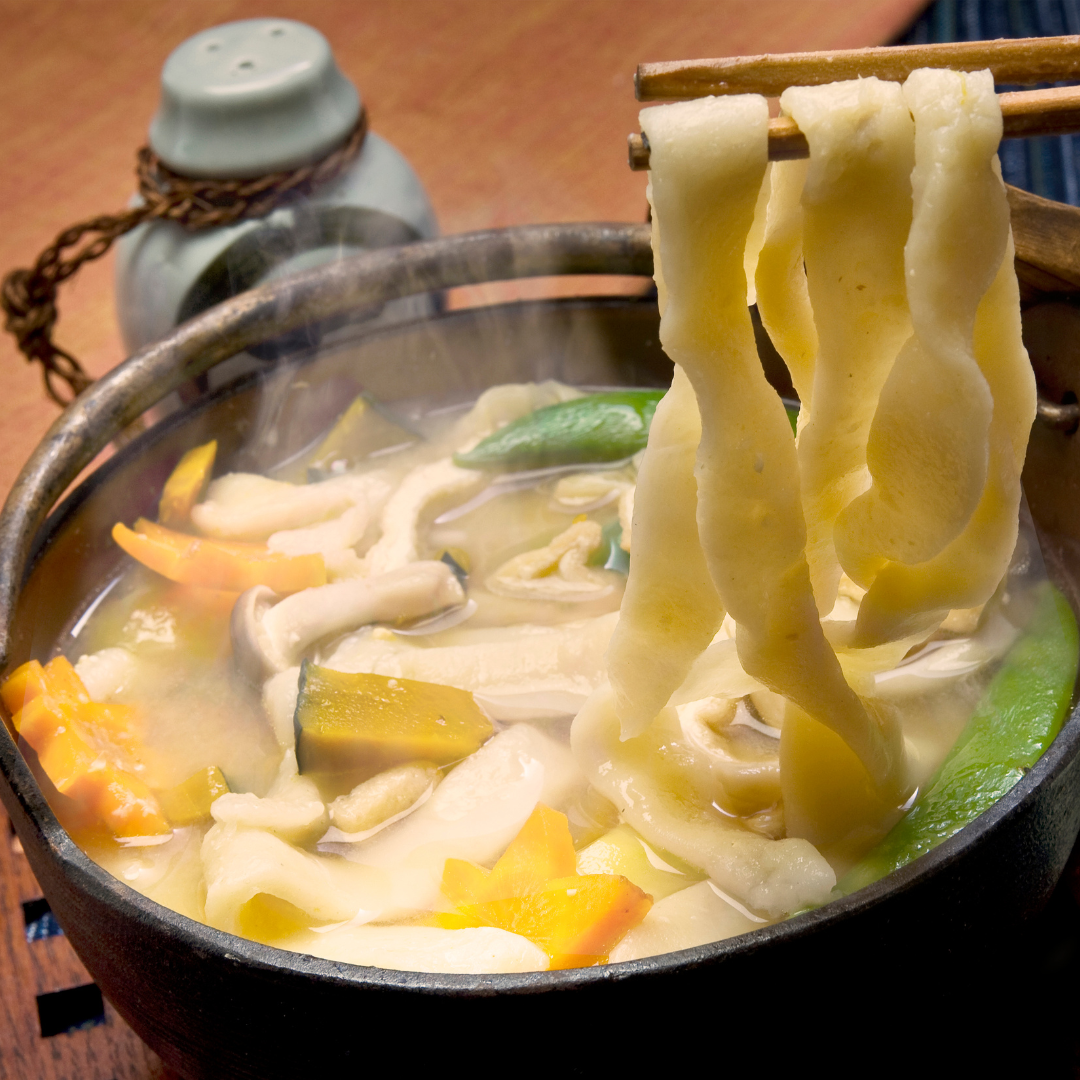
table of contents
Introduction
Hoto is a traditional dish known as a local dish of Yamanashi Prefecture. It is characterized by an abundance of vegetables and thick noodles, simmered in a miso-based soup. It has been loved for many years in the Yamanashi region as it warms the body especially during the cold winter
It has a long history, and there is a legend that Takeda Shingen fed it to his soldiers to give them strength during battle. Even today, houtou is enjoyed in homes and restaurants in Yamanashi Prefecture, and is a popular dish among tourists as well. In this article, we will introduce the appeal of houtou and how to make it in detail
Characteristics and origin of Hoto
The origin of Hoto
There are several theories about the origin of houtou. One of the most famous is that Takeda Shingen, a warlord during the Sengoku period, used houtou as military rations. Hoto is highly nutritious and can be filled with plenty of vegetables and meat, so it made sense as a meal to give his soldiers strength
On the other hand, hoto was also eaten daily in rural areas, and was a popular home-cooked dish that could be easily prepared, especially during the busy harvest season. Hoto's distinctive thick noodles and miso-based soup have the effect of warming the body, and are well suited to the cold mountain climate, which is one of the reasons why it has been loved for so long
Ingredients and nutritional value of Hoto
Hoto is a nutritious dish packed with vegetables and meat. In this article, we will explain the basic ingredients and their nutritional value
Main ingredients
- Pumpkin: A characteristic ingredient in Hoto, its sweetness and fluffy texture go well with the soup. It is rich in vitamin A and dietary fiber, and has the effect of boosting immunity.
- Taro: Taro, which adds smoothness to hoto noodles, is also rich in vitamins and minerals and aids digestion.
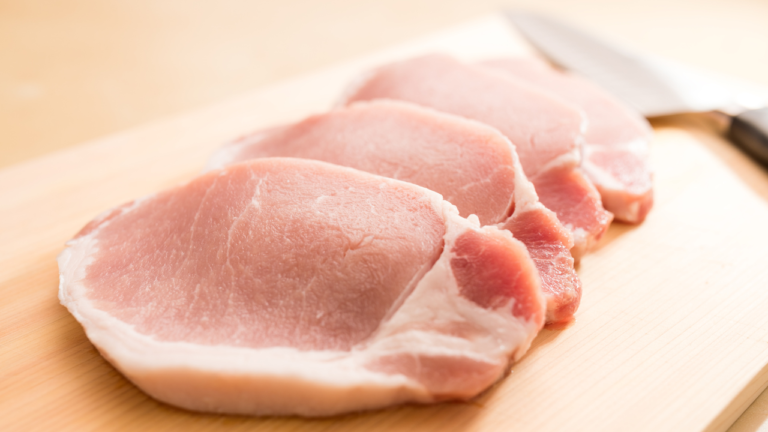
- Chicken: Chicken is an essential ingredient as a source of protein. Using chicken breast or thigh meat will spread a rich flavor throughout the soup.
- Carrots and burdock root: Root vegetables are rich in dietary fiber and give texture to hoto. Burdock root, in particular, adds a unique flavor that enriches the entire soup.
- Miso: Miso, which forms the base of Hoto soup, is a fermented food made from soybeans and has the effect of improving the intestinal environment.
Hoto recipe
Now, let me show you how to make hoto. This is a recipe that is commonly made in households in Yamanashi Prefecture
Ingredients (4-6 servings)
- Wide noodles (dried noodles)...150g
- Chicken: 150g
- Carrot: 1
- Burdock root: 1 stalk
- Onion: 1
- Taro taro: 2 pieces
- Pumpkin: 1/2 small
- Fried tofu...2 pieces
- Enoki mushrooms: 1 bag
- Green lettuce...a little
- Dashi stock: 4 tablespoons
- Miso: 4 tablespoons
- Seasoning: Salt
How to make it
- Preparation:
Cut the chicken into bite-sized pieces, and cut the carrots, burdock root, onions, pumpkin, and taro into appropriate sizes. Break the dried noodles into 2cm squares. - the broth into a soup
pot and bring it to a boil. First, add the chicken and remove any scum, then add the vegetables (except the pumpkin and taro) and simmer over medium heat. - the mixture
comes to a boil, add the pumpkin and taro. Reduce the heat to low and simmer for about 15-20 minutes. Once the ingredients are tender, add the enoki mushrooms. - noodles
and simmer for 5-10 minutes, then dissolve the miso paste in the broth. Once the flavor is just right, sprinkle with fried tofu and dried seaweed and it's ready to serve.
Tips for enjoying hoto even more
Hoto is a dish that can be enjoyed for 2-3 days if refrigerated. If you reheat it, it will still be delicious the next day. The noodles are thick, so simmering them slowly gives the soup a rich flavor and brings out the umami of the ingredients. It's a perfect warming dish for the cold season, and is recommended for the whole family to enjoy
Variations using hoto
Hoto can be prepared in a variety of ways, in addition to the basic recipe. For example, here are some variations:
- plenty of mushrooms
, such as oenoki, shiitake, and maitake, creates a rich and flavorful dish. This variation is especially recommended for the autumn season. - the spicy miso hoto
noodles creates a flavor that further stimulates the appetite. It also has a warming effect on the body during the cold season.
summary
Hoto is a warm and nutritious dish that has been cultivated in the rich natural environment of Yamanashi Prefecture. It has a long history and has been loved for a long time. Try this recipe and enjoy Yamanashi's local cuisine at home


Related Articles

What is Italian sweets "Panettone"? An explanation of its relationship with Christmas, its history, sales status in Japan, and more!

Help menu on busy days! Introducing sausage-style minced meatballs that can be prepared in advance

Introducing "Pasta alla Gricia," a dish that originated in the Lazio region of Italy!
Spring Nikujaga! Here's a delicious recipe using new potatoes!
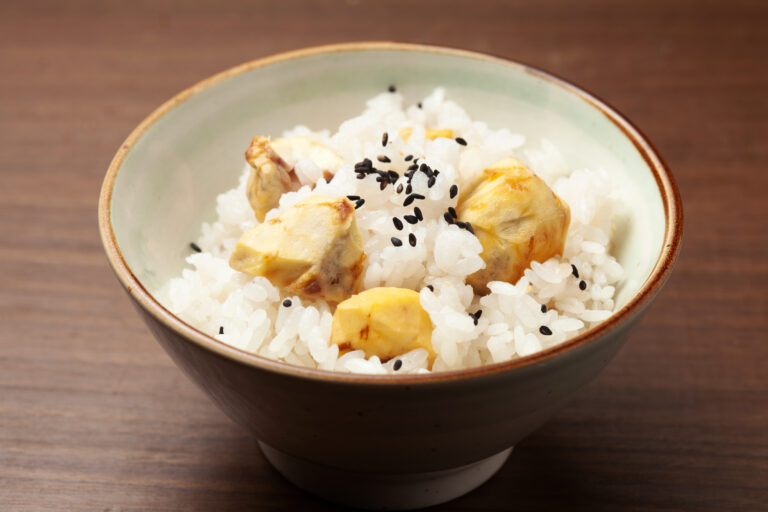
Enjoy autumn with seasonal chestnut rice