Introducing saury, a seasonal fish to enjoy during the autumn season!
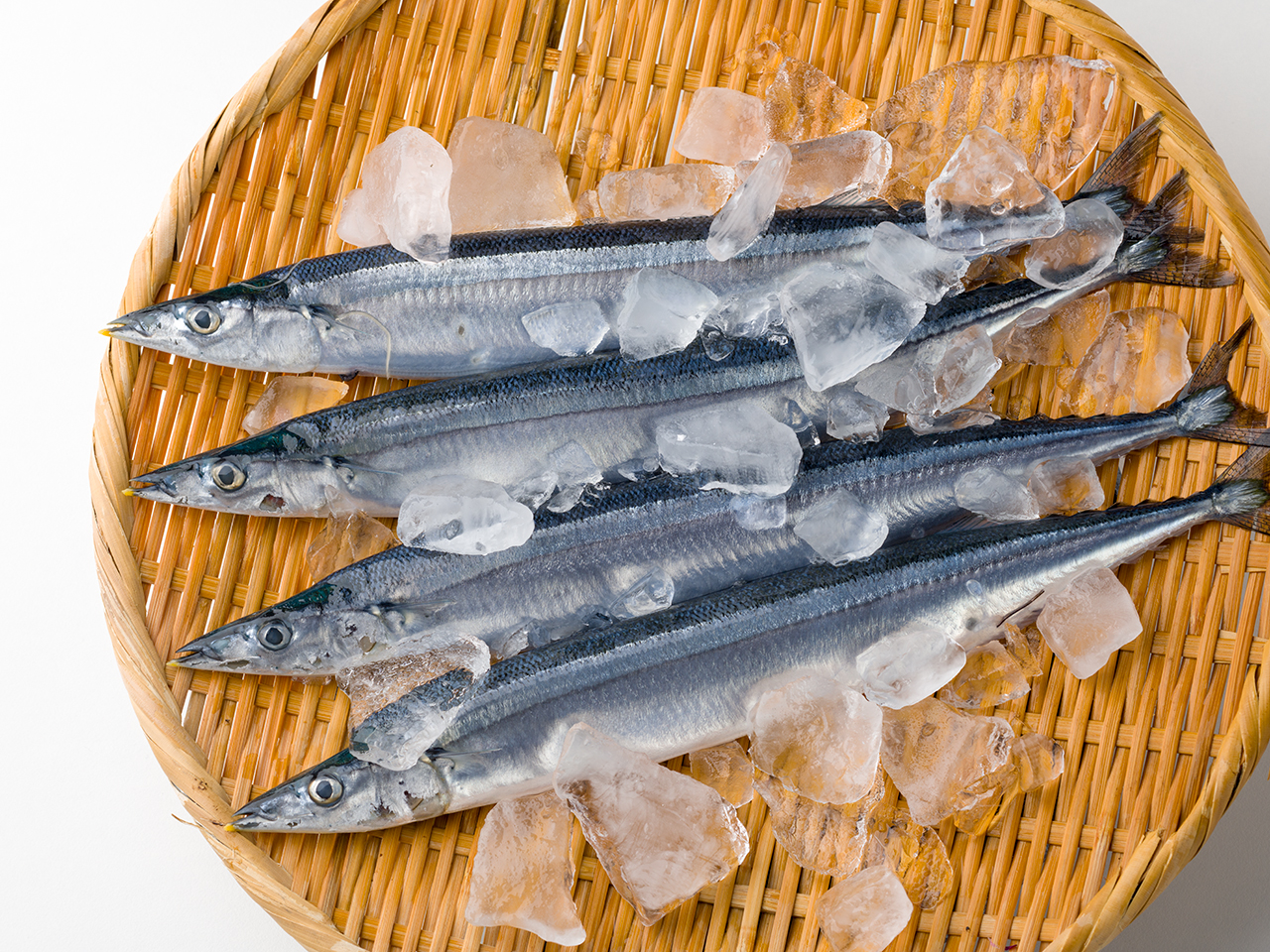
The scorching heat is finally starting to die down. As the autumn breeze begins to feel pleasant, you'll start to see sanma (Pacific saury) for sale in supermarkets. This fish, written in kanji as "sanma," is a representative autumn delicacy that has long graced Japanese dining tables. In this article, we'll introduce how to choose and eat delicious sanma.
table of contents
Why do we eat saury in autumn?
Sanma is a fish that is in season in the fall. At the Sanma Festivals held around the country from September to October, the aroma of charcoal-grilled sanma fills the venue.
The best part of Pacific saury's delicious season is the fat it accumulates in the cold northern seas during the summer. Pacific saury spend spring and summer in the cold waters of Hokkaido and the Sea of Okhotsk. The seawater temperature at this time of year is very cold, around 10 degrees Celsius, and Pacific saury accumulate fat in their bodies by eating the abundant plankton in this environment.
In autumn, as the water temperature changes, the saury begin to move south to spawn. During this southward migration, the saury pass off the coasts of Sanriku and Boso, where they are caught. This is the perfect time to enjoy saury at their fattiest throughout the year.
The relationship between fat accumulation and palatability
There is an old proverb that says, "When the saury comes out, the massage goes out." This means that eating fatty saury will improve your physical condition and you won't need to rely on a masseuse. In fact, saury fat is rich in ingredients that are good for the body, and people in the past must have felt the effects firsthand.
This fat not only provides flavor but also contains a wealth of umami compounds specific to fish. The fat layer under the skin in particular is where the distinctive flavor of sanma is concentrated, and this is the source of its fragrant taste when grilled with salt.
How to identify and select fresh saury
Points to consider
There are several important points to consider when choosing delicious saury. The first thing to look out for is the color of the lower jaw. The lower jaw of a fresh saury is bright yellow, and will turn brown over time. This color change is one of the most reliable indicators of freshness.
The next important thing is the roundness and firmness of the body. A fatty saury is plump and round from the head to the back, giving it an overall plump appearance. Thin, skinny saury often has less fat and is less tasty, so it's best to avoid it.
"Eye transparency" is also an important indicator of freshness. The eyes of fresh fish are clear and transparent, and as the fish loses freshness, they become cloudy and white. When choosing saury, be sure to check the condition of the eyes.
Important points to note when purchasing
When purchasing saury, the storage conditions at the store are also an important factor to consider. Choose saury that has been properly arranged on ice and that has not dried out. Also, a sign of freshness is that it has a sea scent, rather than the typical fishy smell.
If possible, it's also a good idea to touch the flesh to check its elasticity. Fresh saury has just the right amount of elasticity and should bounce back when pressed with your finger.
The correct way to store saury
Tips for storing in the refrigerator
When storing saury in the refrigerator, it is important to first remove the internal organs. If the internal organs are left on, the fish will lose freshness rapidly, so if you are not planning to cook it right away, remove the internal organs. After cutting off the head and removing the internal organs, wash them thoroughly under running water and carefully remove any blood or other imperfections.
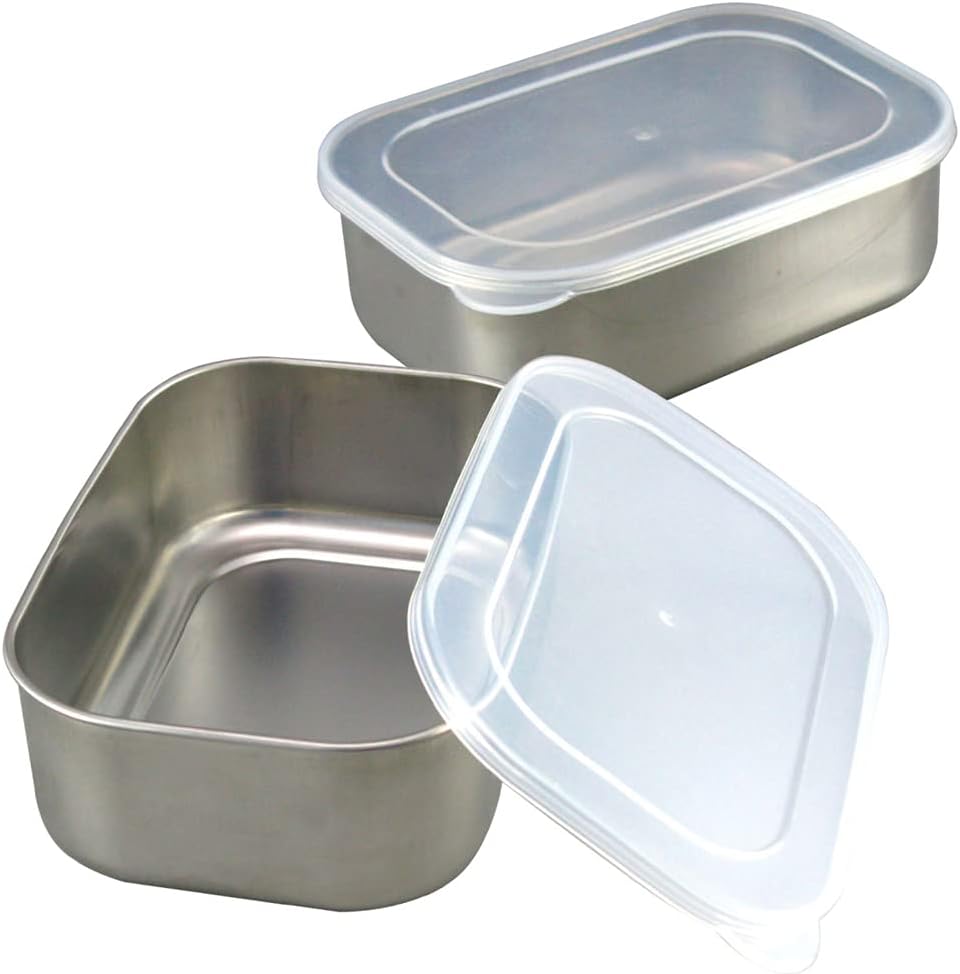
After washing, thoroughly dry the fish with kitchen paper. Doing this carefully will extend the shelf life. After that, wrap each fish individually in plastic wrap, place them in an airtight bag, and store in the chilled compartment. This method will keep them fresh for 2-3 days.
How to freeze
If you want to store it for a long time, freezing it is effective. As with refrigerated storage, remove the internal organs and cut off the head. After rinsing thoroughly with water, it is important to completely remove the water with kitchen paper.
When wrapping each fish in plastic wrap, make sure to wrap it tightly so that no air gets in. Then place it in an airtight freezer bag, lay it as flat as possible, and store it in the freezer. This method will allow you to store it for about 2 to 4 weeks.
When thawing, thaw slowly in the refrigerator to minimize dripping. Be careful not to thaw too quickly, as this can cause the flavor to deteriorate.
Various ways to cook sanma
The classic salt-grilled dish
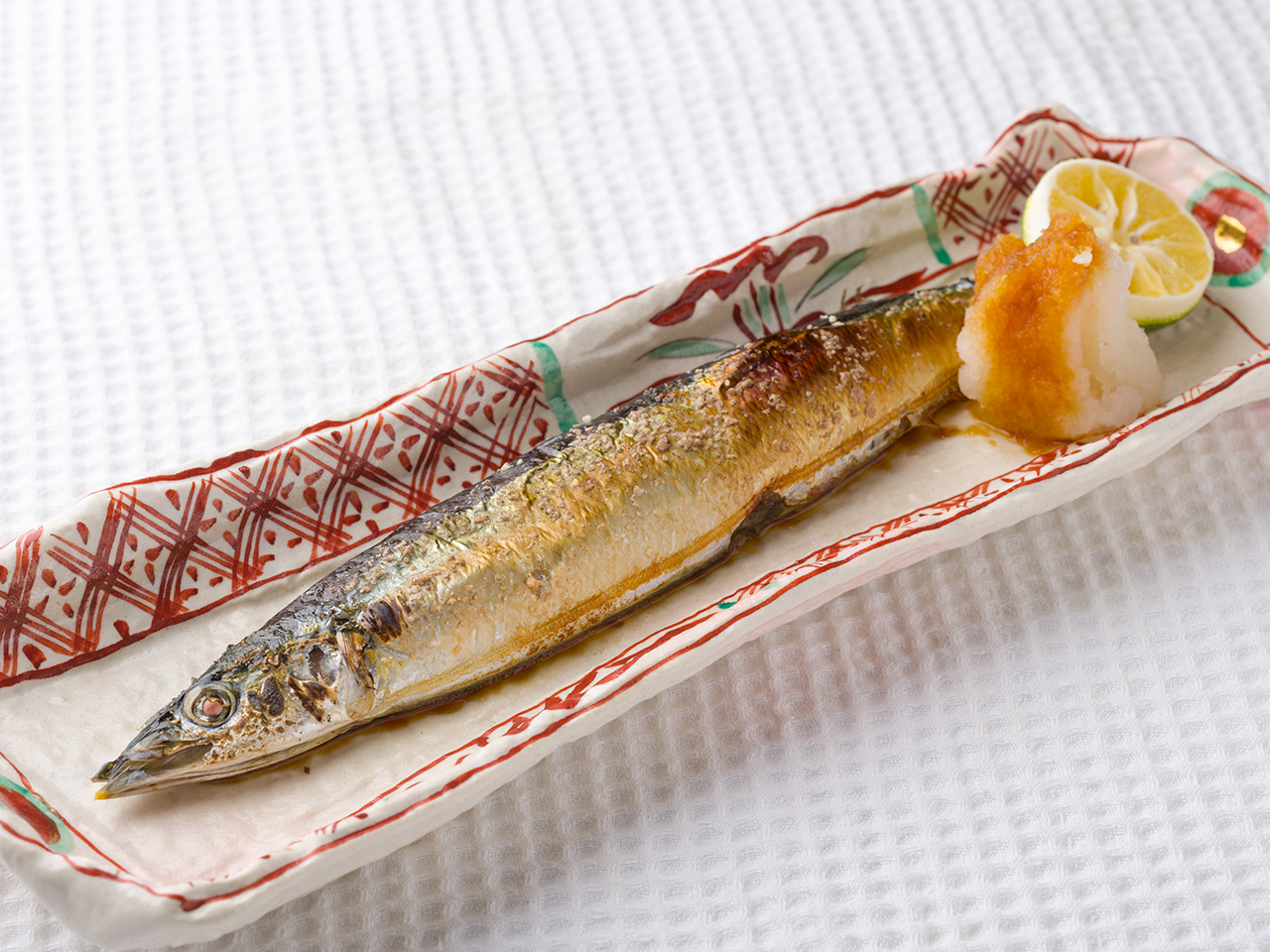
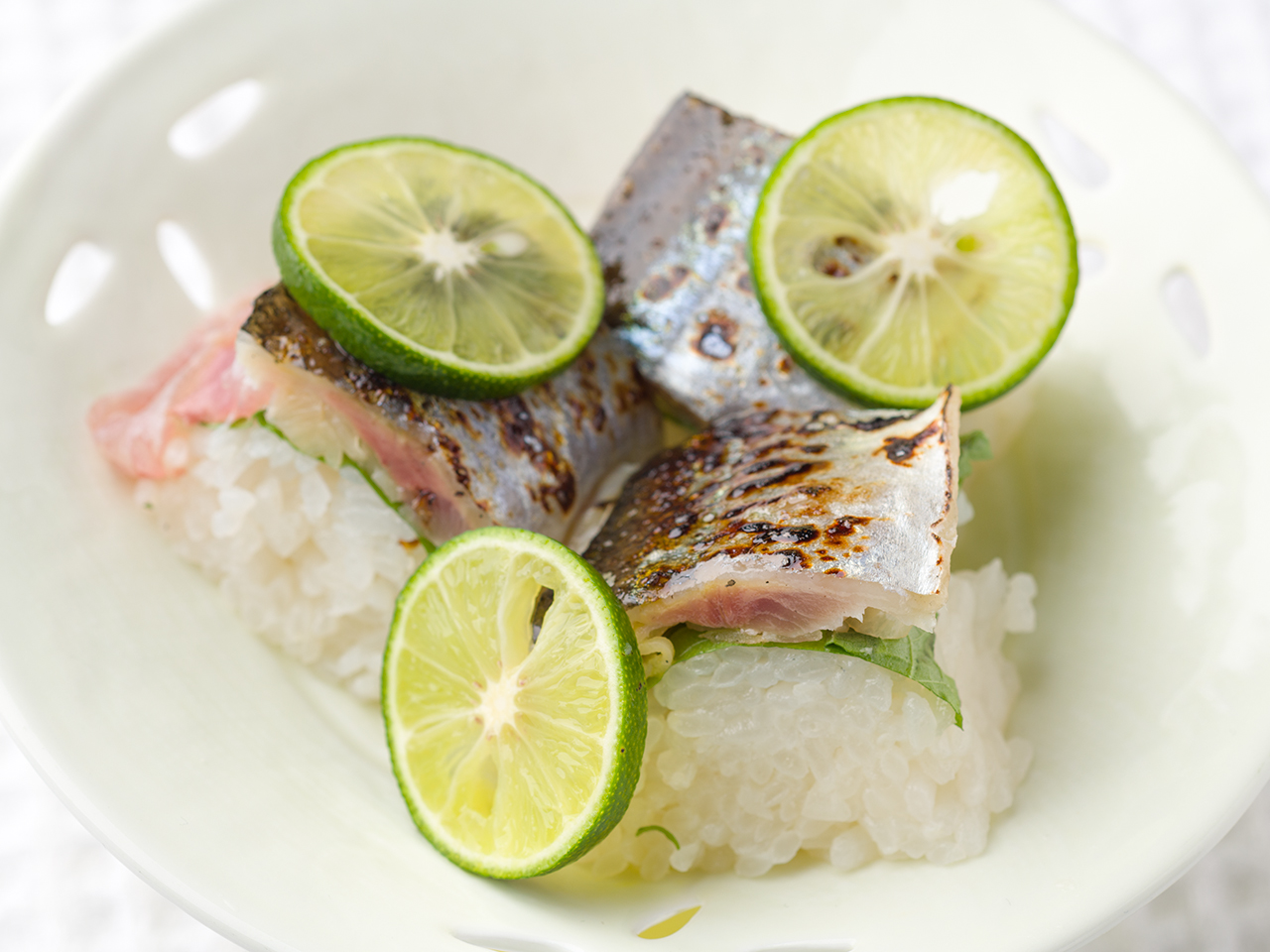
The most representative dish of saury is grilled with salt. Because it is a simple cooking method, the quality of the ingredients is directly reflected in the taste. The key to successful grilling with salt is the right amount of salt and the right grilling method.
It is best to sprinkle salt on the fish 30 minutes to an hour before cooking. This will remove excess moisture from the fish, making it firmer and tastier. The amount of salt should be about 2-3% of the fish's weight, and should be sprinkled evenly over the entire surface.
When grilling, sear the surface quickly over high heat, then slowly cook it through over medium heat. When the skin is crispy and the meat is plump, it's done.

Enjoy with grilled eel
Grilled saury has a different flavor from grilled eel. The sweet and spicy sauce blends well with the fat of the saury, making it a dish that goes well with rice. It's relatively easy to make at home, and is popular as a different way to enjoy saury.
When making kabayaki, first grill it in the same way as shioyaki, then coat it in a sauce made from soy sauce, mirin, sake, and sugar. The sauce burns easily, so it's important to cook it slowly over low heat.
The world of smoked saury expands
Enjoy smoked food at home
Recently, more and more people are enjoying smoking at home. Smoking increases the shelf life of food and makes it a great snack.
When making smoked food, the first step is the salting process. Sprinkle salt on the saury in an amount of about 10% of its weight and leave it in the refrigerator overnight. After that, rinse the salt off under running water, dry the surface, and then place it in the smoker.

summary
Sanma (Pacific saury) is a fish that represents autumn in Japan and has been loved by many people for a long time.
Enjoying saury from various angles, from how to select fresh saury to how to store it and various cooking methods, will enrich your autumn dining table.

Related Articles
Introducing the charms and recipes of Ainame
Rediscovering the diverse charms of tofu! Recommended recipes using tofu
Spring Ingredients: Introducing New Onions and Easy Recipes
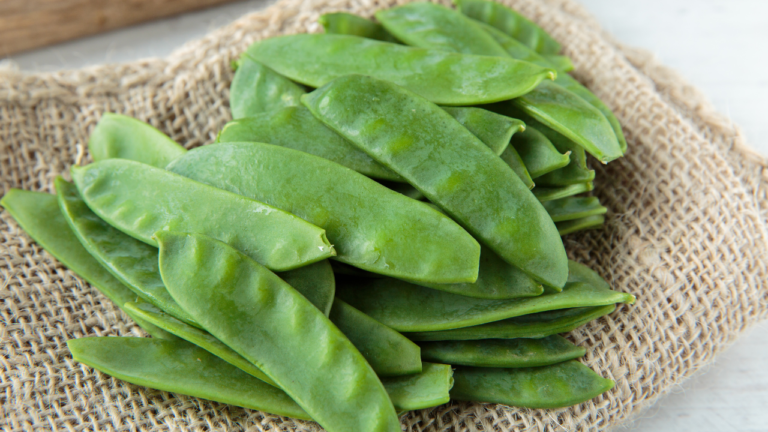
A comprehensive analysis of the pod peas, a lush green ingredient in spring! Here's how delicious it is and how we recommend eating it!
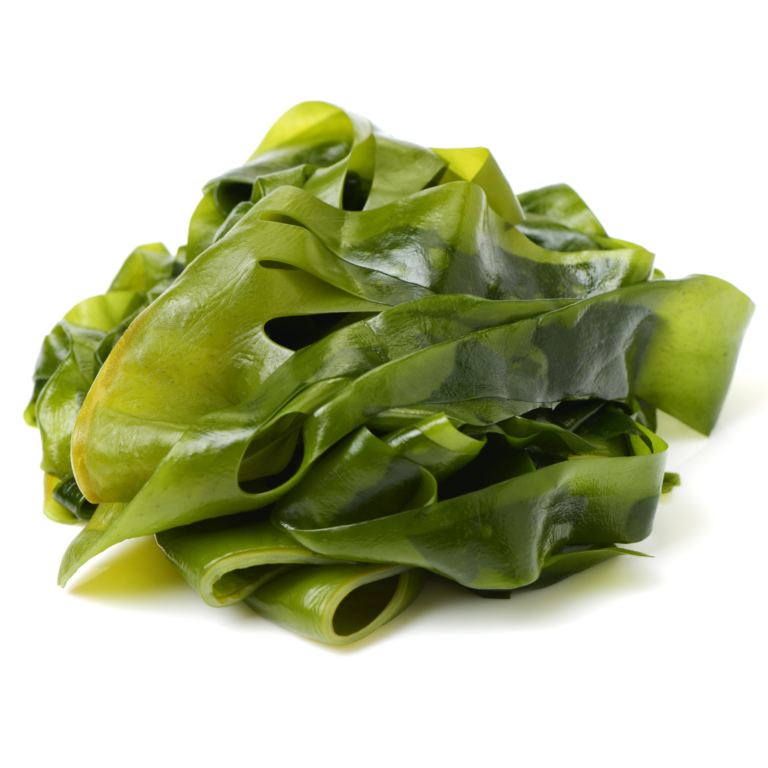
Rediscover the charm of wakame! From salted to dried wakame, enjoy the bounty of the sea in a variety of recipes