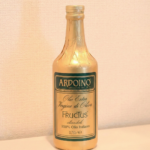
What is Ardoino Extra Virgin Olive Oil? Introducing delicious ways to use it♪
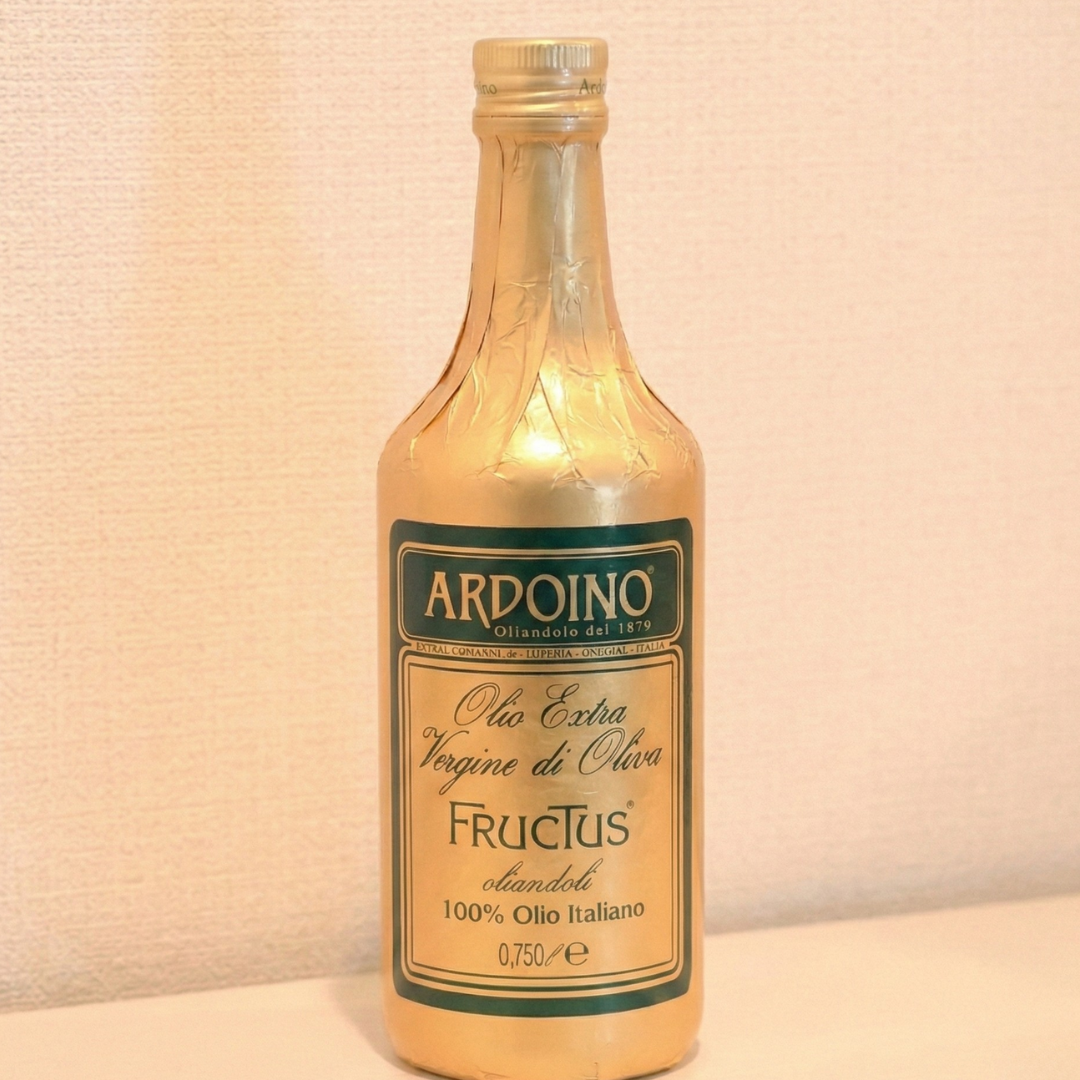
Epi Recipes also introduces many recipes that use olive oil, and many of the recipes used by Chef Kataoka, our starter chef, also use Ardoino extra virgin olive oil
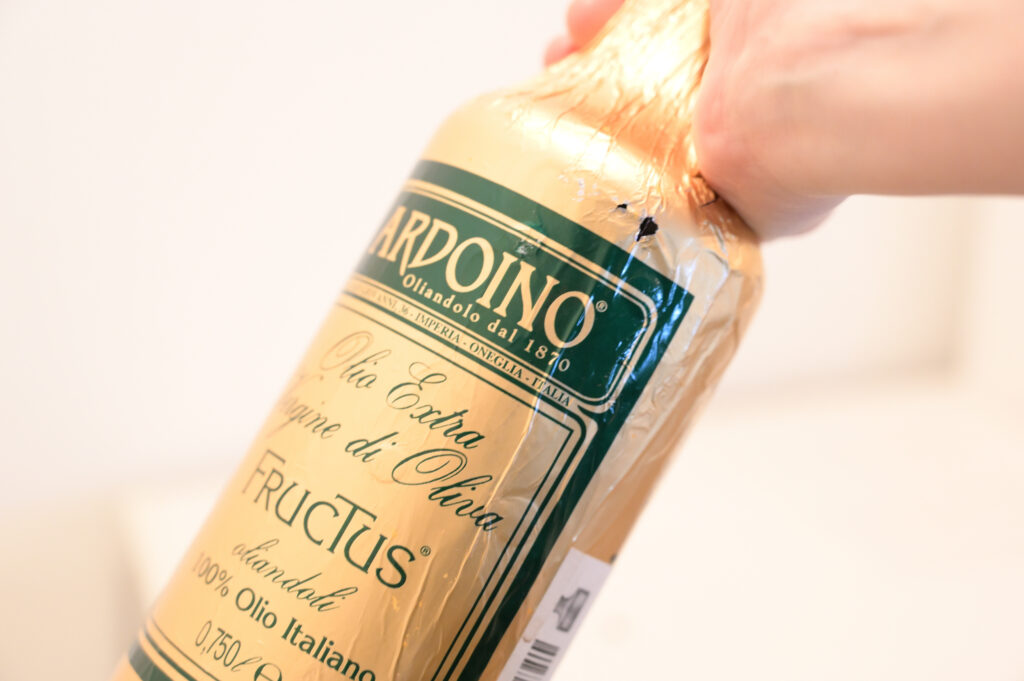
It features a unique gold wrapping paper
Whether you just drizzle it on bread or finish off pasta, it's a great product that will turn any dish into a delicious one
Today we will be introducing you to this olive oil in detail!
table of contents
- 1 Ligurian olive oil faces historic challenges
- 2 The unique flavour of the terroir
- 3 Taggiasca: The Jewel of Liguria
- 4 Traditional manufacturing methods produce the highest quality
- 5 Flavor characteristics and culinary applications
- 6 Quality assurance: Golden packaging
- 7 Introducing our special recipes for epi recipes
Ligurian olive oil faces historic challenges
Ardoino was founded in Imperia, Liguria, Italy in 1870. The Ardoino family began producing olive oil. In fact, this olive oil, which is still popular today, was improved in quality by Nanni Ardoino, the third generation owner, and began producing excellent extra virgin olive oil. Let's start by unraveling what kind of place Liguria is
Today, although Ardoino is a small workshop, it is widely known throughout Europe for its high-quality extra olive oil
In fact, it is a tradition that monks have historically established
The history of Ligurian olive oil dates back to the early Middle Ages: according to legend, monks from Provence brought olive trees to the Mediterranean coast and developed varieties adapted to the region's unique climate
From the late 19th century to the early 20th century, many small, family-run olive oil producers emerged in this region. Of particular note was the development of olive oil as a health food rather than simply a cooking oil. Some producers at the time were also involved in the pharmaceutical industry and were pioneers in applying pharmaceutical-grade quality control standards to olive oil production
The unique flavour of the terroir
A cultivation environment known as heroic agriculture
The interior of Liguria is a steep mountainous region with almost no flat land. This topographical constraint makes large-scale mechanized agriculture impossible, so instead the traditional farming method of "stone terraces" has developed
| Features | effect |
|---|---|
| Stone-built terraced fields | Ensuring drainage and retaining heat |
| Steep slope cultivation | Prevents soil erosion and concentrates flavor through stressful environments |
| Hand harvested | Maintaining fruit quality and thorough selection |
The olives that result from this harsh growing environment have a unique sweetness and complex flavor that cannot be achieved from olives grown on flat land
Taggiasca: The Jewel of Liguria
The concentrated flavor is due to the small size
The main ingredient in Ardoino's olive oil is the Taggiasca olive, an indigenous olive variety in the region. This variety is small but has an extremely high oil content of 25-26%, making it a rare dual-purpose variety that can be used both for oil and as a table olive
The greatest feature of Taggiasca is its late ripening. While olives are harvested in autumn in most regions, Taggiasca olives are allowed to ripen slowly on the tree from November to February of the following year. This long ripening period metabolizes some of the polyphenols that give the olives their bitter taste, resulting in a mild and sweet flavor
Traditional manufacturing methods produce the highest quality
Cold pressing with a millstone
Many modern olive oil mills use stainless steel hammer crushers for their efficiency, but Ardoino's finest olive oils are still crushed using granite millstones
The advantage of using a millstone is that its slow rotation minimizes the generation of frictional heat. Heat is the biggest enemy in destroying the volatile aromatic compounds in olive oil, and the gentle crushing by a millstone allows the Taggiasca grape's unique sweetness and delicate aroma to be extracted without losing any of its flavor
The science behind unfiltered production
Another feature of Ardoino's olive oil is that it is "unfiltered." Conventional oils are filtered before shipping, which increases clarity, but at the same time, it loses complexity of flavor and trace nutrients
After extraction, the unfiltered oil is left to rest in stainless steel tanks, allowing the fine particles to settle naturally by gravity. This method gives the oil a slightly hazy appearance, but it retains the flavor and nutrients of the olives
Flavor characteristics and culinary applications
Delicate sweetness and harmonious taste
| Evaluation items | Ligurian | Tuscan | Made in Puglia |
|---|---|---|---|
| Main varieties | Tajasca | Frantoio et al | Coratina et al |
| bitter taste | Very weak | Medium to strong | Very strong |
| Spicy | delicate | strong | Very strong |
| Key Notes | Almonds, pine nuts | Green grass, green tomatoes | Leafy vegetables |
Ligurian olive oil is its sweetness. By sweetness, we don't mean the sweetness of sugar, but rather the lack of bitterness, which makes it a perfect match for a wide range of dishes.
Recommended Use
Pairs well with seafood: When used as the finishing touch to seafood dishes such as white fish carpaccio or boiled shrimp, it brings out the umami of the fish while reducing its fishy smell.
Salads and Vegetables: Drizzle on bitter leafy greens to neutralize their bitterness and add depth of flavor to bland vegetables.
Applications in Japanese Cuisine It goes extremely well with Japanese cuisine, whether sprinkled on chilled tofu with salt or used as a finishing touch on grilled fish.
Quality assurance: Golden packaging
There's a reason why many of Ardoino's olive oils are wrapped in gold aluminum foil: the chlorophyll in extra virgin olive oil acts as a photosensitizer, dramatically accelerating oxidation when exposed to light
The gold foil physically blocks this deterioration caused by light, ensuring that the product is delivered to your home in the same fresh condition as immediately after production. It also creates a visually premium feel, making it even more valuable as a gift
In fact, the more expensive the olive oil, the more ingenious the wrapping paper and other materials are designed to prevent it from oxidizing
Introducing our special recipes for epi recipes
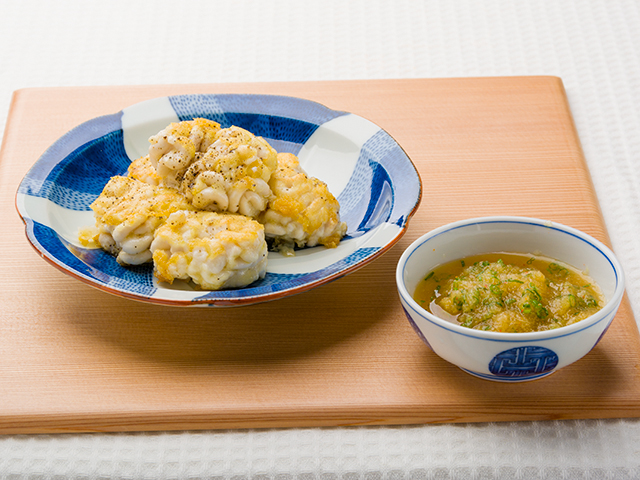
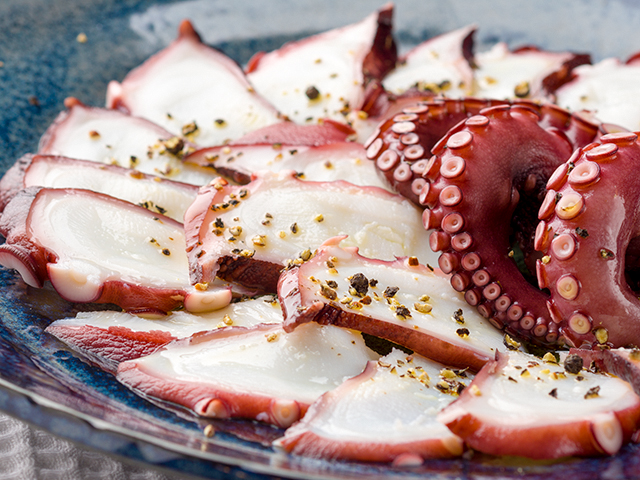
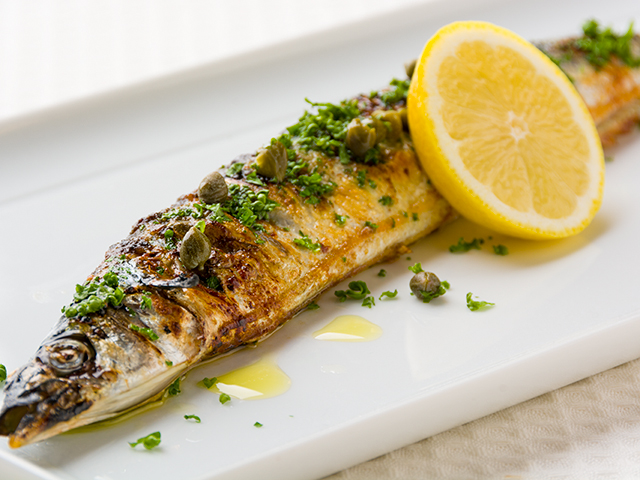
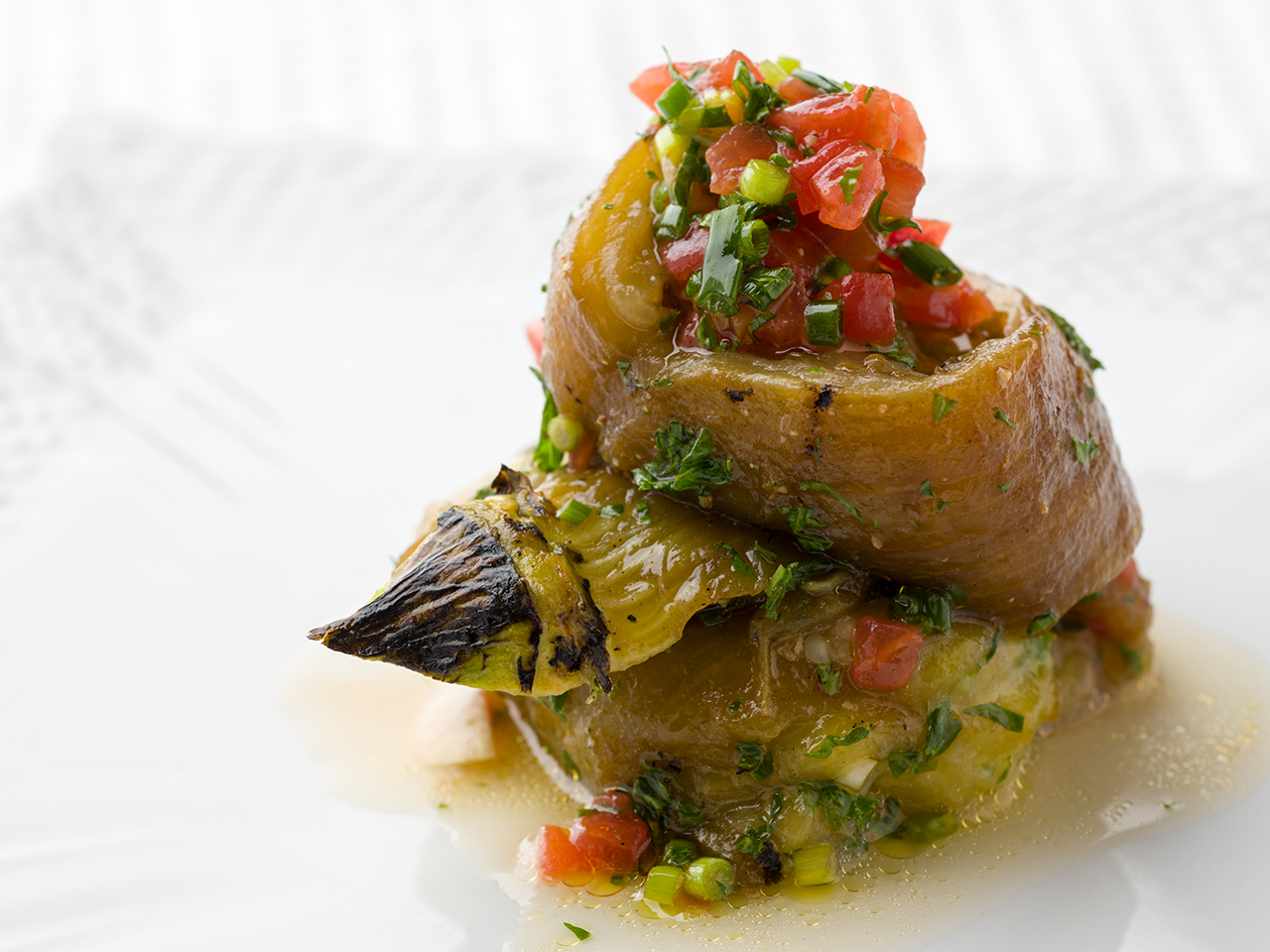
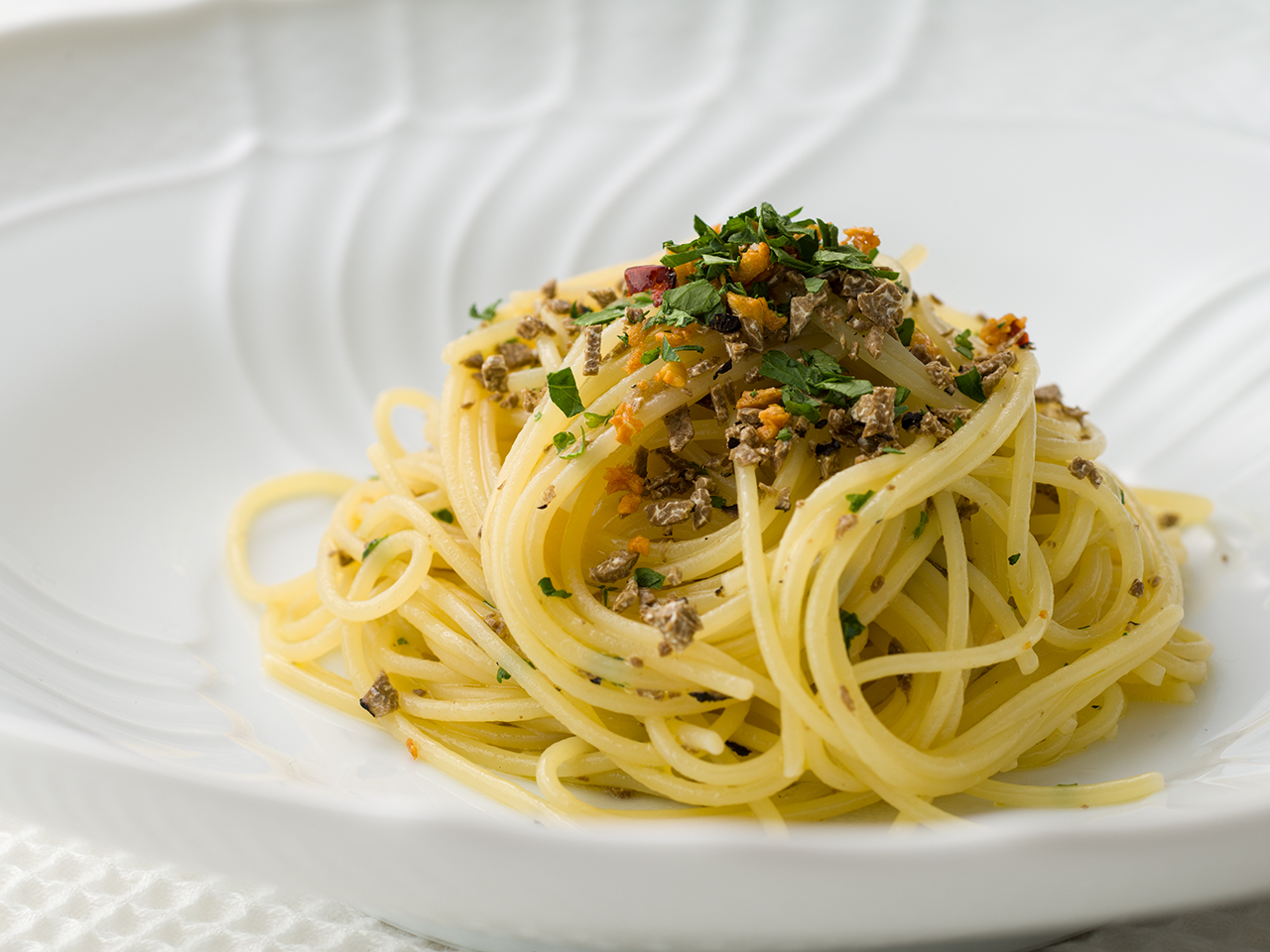
EpiRecipe introduces many recipes using olive oil. Here are some of our recommended recipes

Related Articles
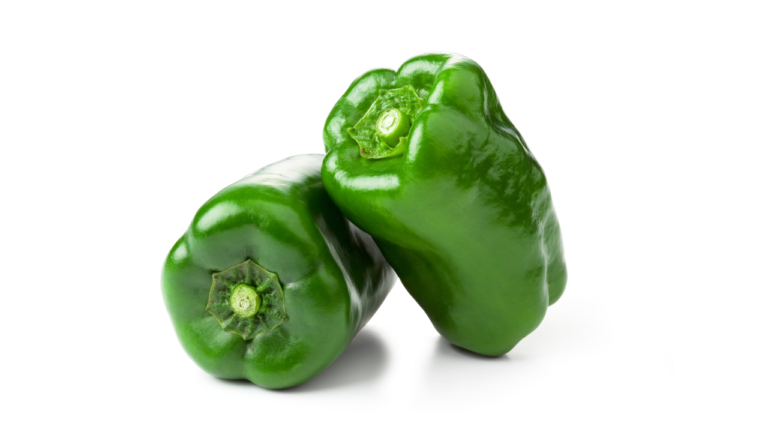
Welcome to the world of peppers! Colorful and nutritious vegetables
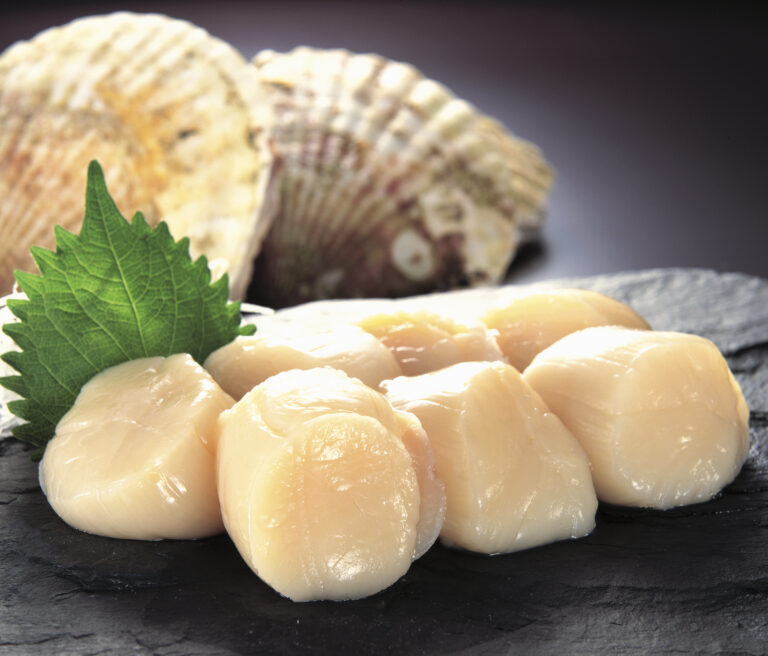
Let's support Japanese scallops! Special feature on scallops
Introducing saury, a seasonal fish to enjoy during the autumn season!
The hidden charm of onions and recommended recipes: A versatile vegetable that elevates everyday seasonings
Beef: Introducing the characteristics of each cut of beef and recommended recipes that make the most of each!