Enjoy seasonal radishes! Introducing special recipes from our epi recipes!
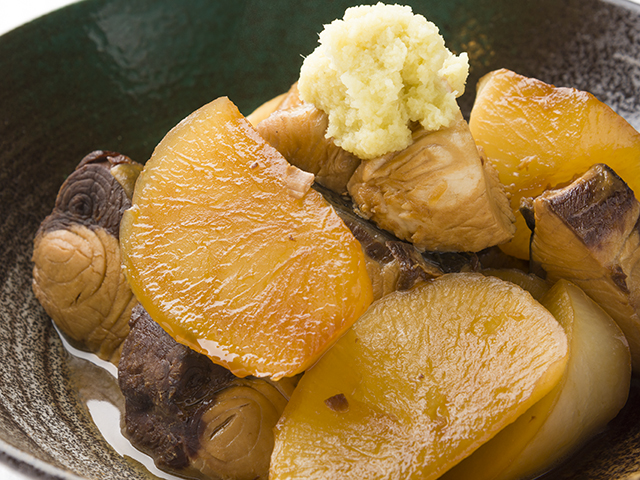
Daikon radish is one of the essential vegetables on the Japanese diet. Its versatility makes it suitable for any cooking method, from simmered dishes to salads, pickles, and grated. But have you ever had the experience of buying daikon radish only to have it spoil quickly, or been confused at the supermarket because you didn't know how to choose it? In this article, we'll carefully explain everything you need to know to make the most of daikon radish, from how to choose it at the supermarket to how to store it properly, in order to make the most of it and save money
table of contents
- 1 Don't get confused at the supermarket! How to tell if a radish is fresh
- 2 The taste varies depending on the part of the radish! Characteristics of radish and dishes suitable for it
- 3 How to store radishes properly to keep them fresh for a long time!
- 4 Radish storage summary chart
- 5 Learn about the seasons and varieties of radishes to make them even more delicious
- 6 Introducing EpiRecipe's specially selected original recipes!
Don't get confused at the supermarket! How to tell if a radish is fresh
Check the gloss and color of the skin and surface
Fresh radishes have a fresh, shiny skin that is white and fine-grained. If the surface is cracked or has become dull, it may not be as fresh, so avoid it
The condition of the leaves is a barometer of freshness
If you can get radishes with leaves, choose ones with dark green, crisp leaves. Wilted or yellow leaves are a sign that they have been harvested for some time
Weight and shape when held
If they are the same size, the heavier ones will contain more moisture and be fresher. Also, ones that are straight and have a uniform thickness are less likely to be hollow and have a good texture. You will be less likely to make a mistake if you choose ones that are uniform in shape rather than chunky ones
The taste varies depending on the part of the radish! Characteristics of radish and dishes suitable for it
The taste and texture of the top, middle, and bottom parts of a radish are all different. Using the right part for the right purpose will make the radish even more delicious
| part | Taste and texture characteristics | Suitable dishes |
|---|---|---|
| Upper part (near the leaves) | It is sweet and has a lot of moisture | Salads, lightly pickled vegetables, sticks |
| Chubu | Good balance of sweetness and spiciness | Simmered dishes, oden, steamed radish |
| Lower part (near the tip) | Very spicy | Grated radish, condiments, miso soup |
How to store radishes properly to keep them fresh for a long time!
Tips for storing in the refrigerator
If you want to store the radish whole, first cut off the leaves from the base. If you leave the leaves on, they will absorb the moisture from the root, causing the radish to spoil quickly. After cutting them off, it is best to wrap them tightly in newspaper or something similar and store them upright in the vegetable compartment of the refrigerator. If you store the radish on its side, it will use extra energy trying to stand up, causing it to deteriorate more quickly
Refrigerated storage is recommended for approximately 1 to 2 weeks .
How to store cut radishes
If you have radish left to use, wrap the cut end tightly in plastic wrap before putting it in the refrigerator. If the cut end is exposed to air, it will dry out and discolor more easily, so try to use it as soon as possible
Can be stored for a long time by freezing
Daikon radish can also be frozen. Cut it into slices or half moons or other convenient sizes, wipe off any excess moisture, and store in a freezer bag. Frozen daikon radish's fibers break down, allowing the flavor to soak in more easily, making it especially delicious when used in simmered dishes. The recommended storage period about one month .
Radish storage summary chart
| How to save | Tips for preparation | Estimated storage period |
|---|---|---|
| Refrigerated (whole) | Cut off the leaves, wrap them in newspaper and store them upright | 1-2 weeks |
| Refrigerated (cut) | Store by sealing the cut end with plastic wrap | 3 to 5 days |
| frozen | Cut into easy-to-use sizes, wipe off excess moisture, and freeze | About 1 month |
Learn about the seasons and varieties of radishes to make them even more delicious
Daikon radishes are in season from autumn to winter (October to February). The cold weather makes radishes sweeter during this time, making them especially delicious. They are available at supermarkets all year round, but we recommend making the most of them when they are in season
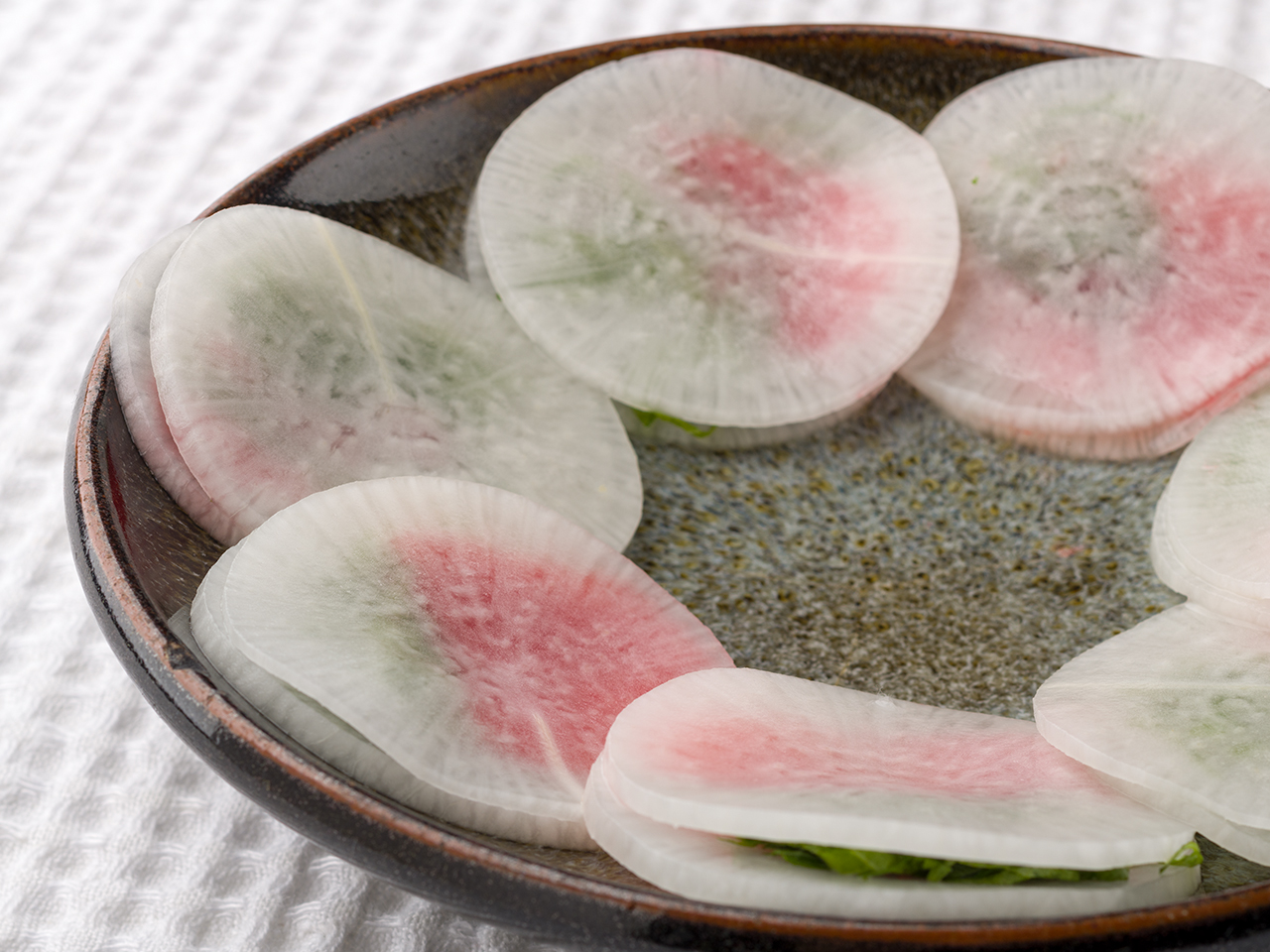
In addition to the common green-necked radish, there are many other unique varieties on the market, such as Shogoin radish (round and very sweet), red-cored radish (with a beautiful pink cross section), and spicy radish (suitable as a condiment). If you come across any of them, be sure to give them a try
Introducing EpiRecipe's specially selected original recipes!
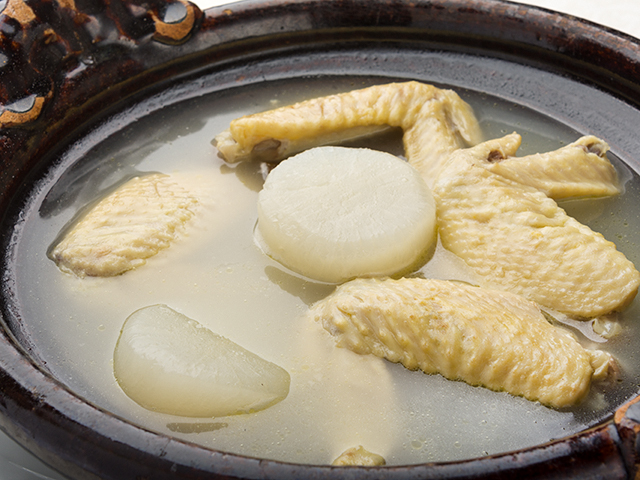
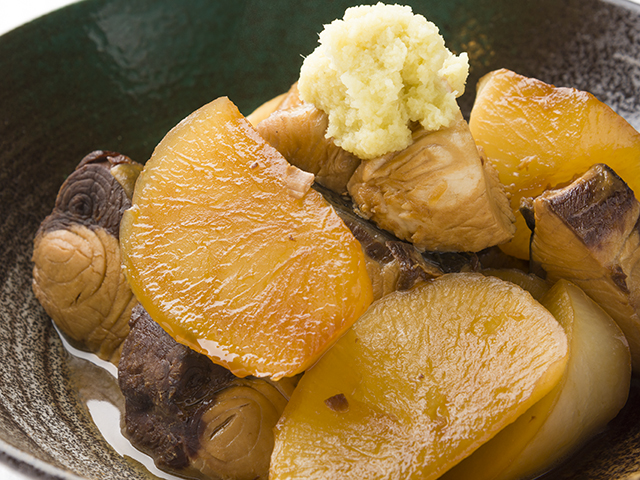
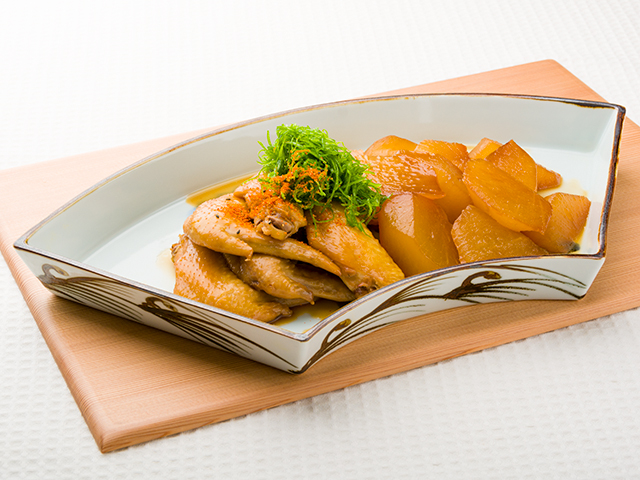
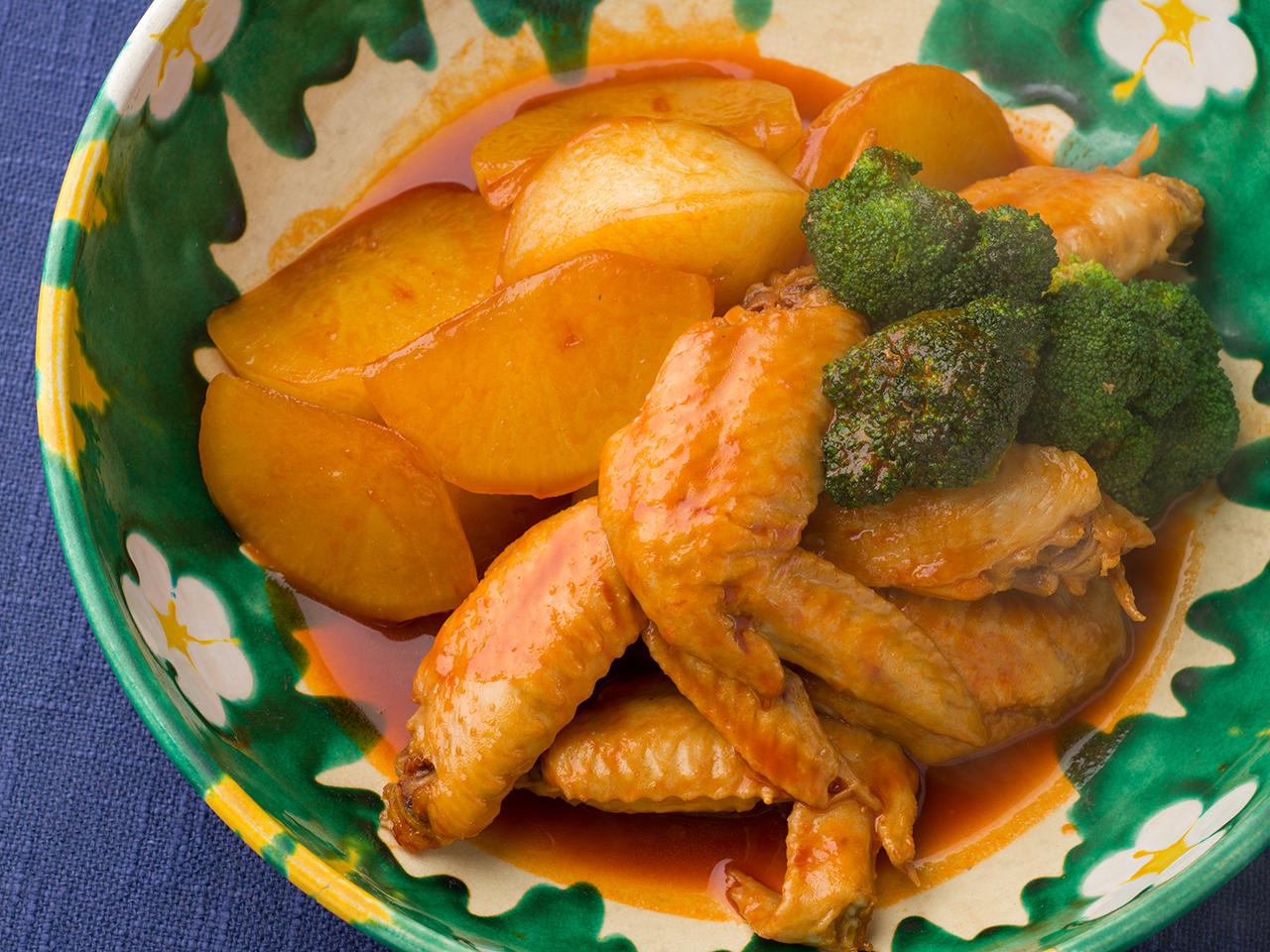
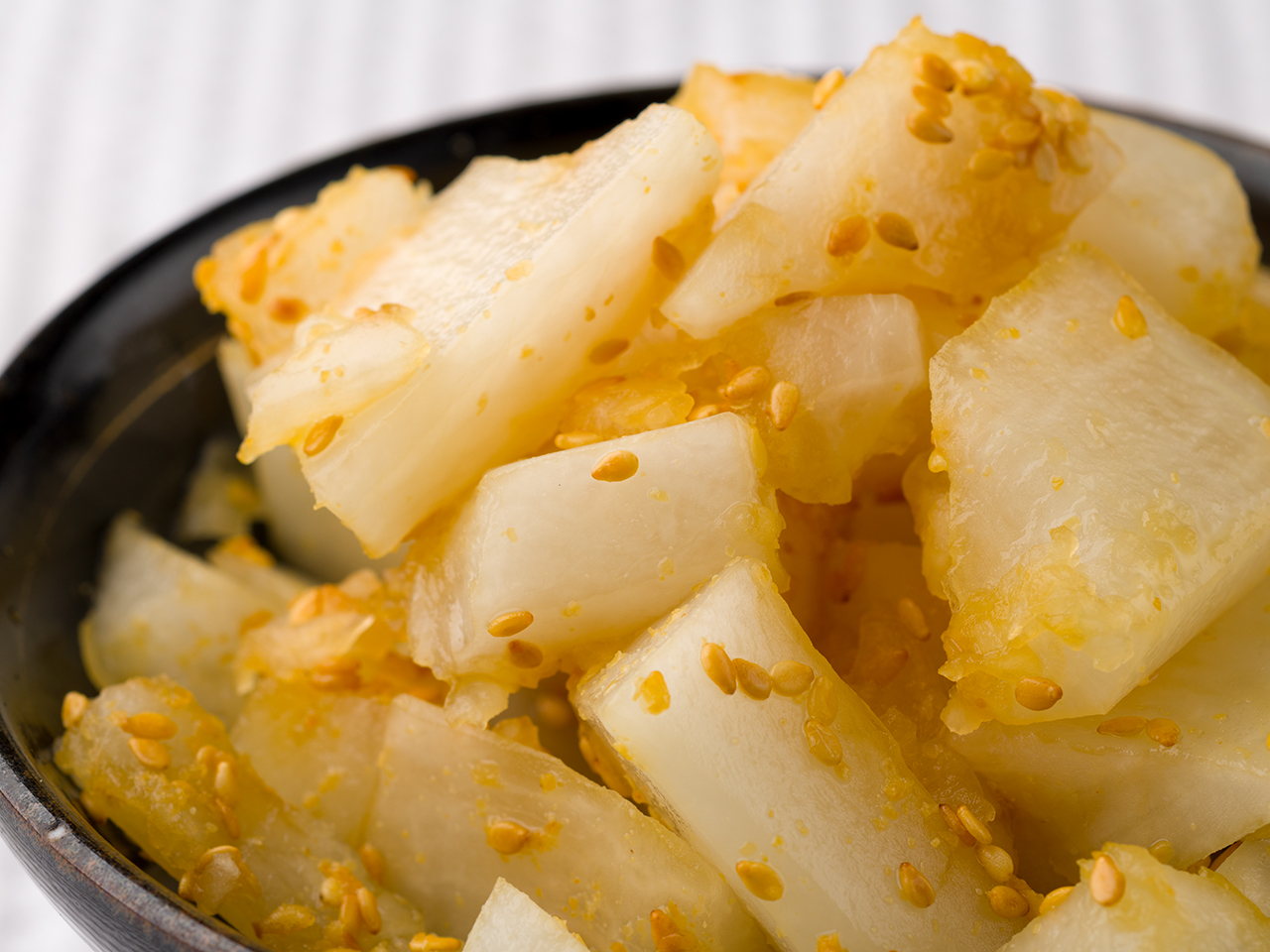
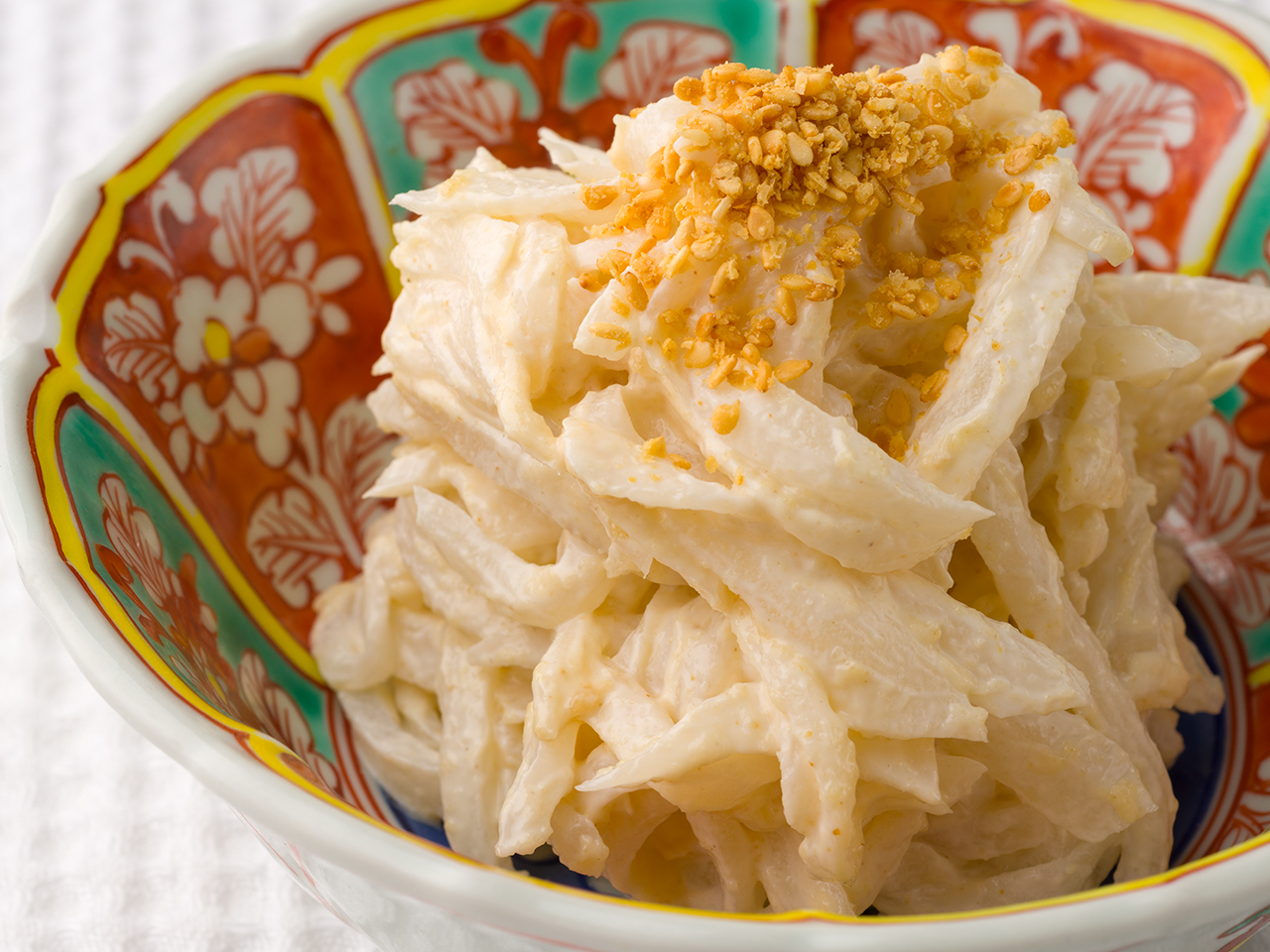
We would like to introduce you to our original recipe, which uses plenty of seasonal daikon radish. Please try it at your own dinner table



Related Articles
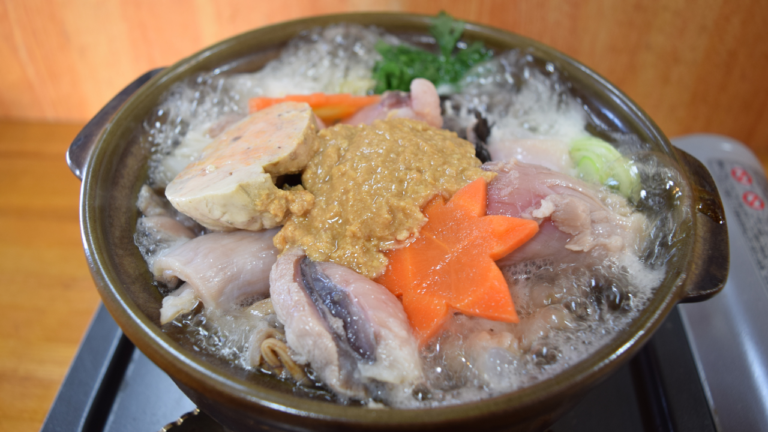
We'll introduce you to the characteristics of monkfish and some recommended recipes that make the most of its deliciousness!
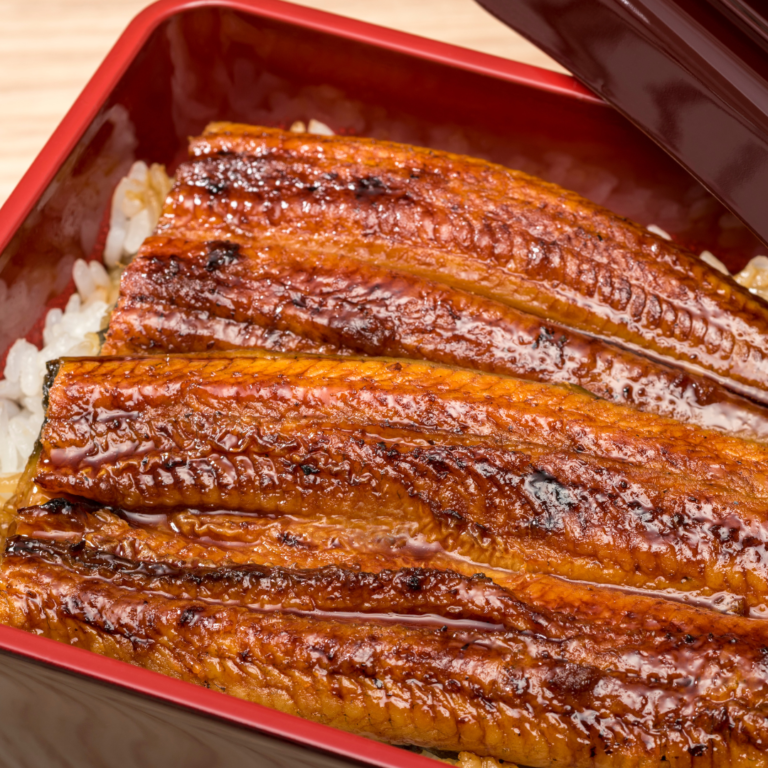
The World of Eel - Introducing the characteristics, nutrition and recipes that utilize eel as freshwater fish
A comprehensive analysis of the pod peas, a lush green ingredient in spring! Here's how delicious it is and how we recommend eating it!

We'll show you how to make red bean paste, a recipe you'll want to master before the New Year!
Introducing the appeal of cabbage, a versatile vegetable that can be enjoyed from winter to spring, and recipes that use it!