Daikon: A variety of vegetables essential to Japanese food culture
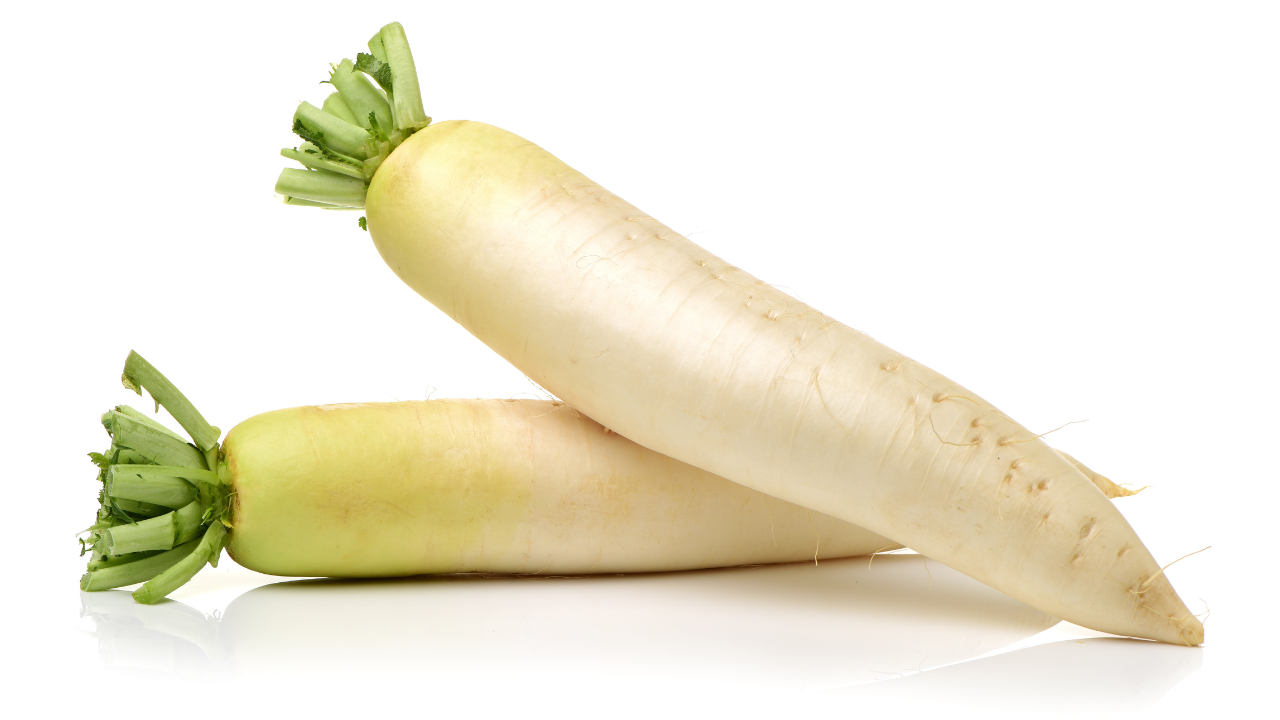
Daikon radishes are known for their diversity in shape, size, and variety, and are enjoyed throughout Japan. This vegetable, which is in season in winter, is used in a variety of ways, from simmered dishes to grated dishes and pickles. This article will provide a comprehensive introduction to the types and characteristics of daikon radishes, how to choose them, and recommended ways to eat them
table of contents
Types and characteristics
Daikon radishes come in a variety of shapes and sizes across the country. The most common is the green neck radish, which, as its name suggests, has a light green neck. This variety was originally a specialty of Owari Province (present-day Aichi Prefecture) and is also known as Miyashige radish
Miura radish was originally produced on the Miura Peninsula in Kanagawa Prefecture, but production has now decreased and only small amounts are available from the end of the year to the New Year
There are many varieties, including the small Kameido radish, which is shipped with its leaves still attached in the summer, the soft and sweet Shogoin radish, a Kyoto specialty, and the early-maturing Western Nijuuka Daikon
Furthermore, there are many unique regional radishes, such as the Sakurajima radish from Kagoshima Prefecture, which weighs 5 to 20 kg, and the Moriguchi radish from the Gifu region, which is up to 1 meter long
Seasonality and how to choose
Daikon radishes are available throughout the year, but are especially in season in winter. Both shipping and consumption volumes increase during this time. When selecting radishes, choose ones that feel heavy and have firm, white skin. It is also best to choose ones without root hairs. When storing radishes, cut off the leaves and roots to prevent moisture loss
Recommended way to eat it
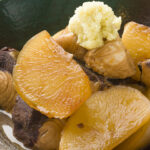
Daikon radish is a very versatile vegetable and can be used in a wide variety of dishes, including stews, salads, grated daikon, pickles, soups, and hotpots. Shogoin daikon, in particular, is perfect for stews and oden (stewed food) thanks to its softness and sweetness. Meanwhile, the smaller Kameido daikon can be enjoyed as a lightly pickled vegetable
These are the various types of daikon radish, their characteristics, how to choose them, and basic guidelines for how to eat them. Enjoy this essential vegetable in Japanese food culture by matching it with the seasons and dishes
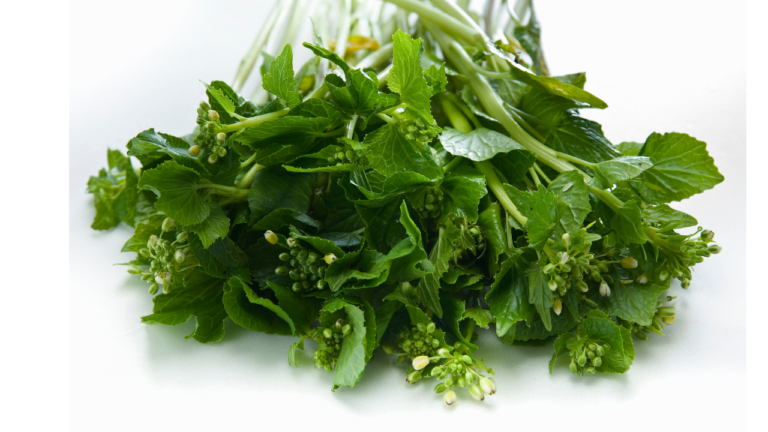
Radish salad: a colorful dish made with simple ingredients
Ingredients (4 servings): Approximately 80kCal
- 1/4 daikon radish
- Mitsuba: 10-12 stalks
- Tomato-flavored dressing
- - 2 tablespoons mayonnaise
- - 3 tablespoons tomato ketchup
- - 1 tablespoon red wine
- - A little salt and pepper
procedure
Preparing the radish
- Peel the daikon radish and cut it into thick strips about 5cm long
Preparing mitsuba
- Cut the mitsuba into pieces about 5cm long, to match the length of the radish
Making tomato dressing
- Put mayonnaise and tomato ketchup in a bowl and mix well, add red wine to flavor, and finally season with salt and pepper
Assembling the salad
- Mix the daikon and mitsuba in a balanced manner, arrange them in a line, and stack them in about three layers, alternating directions
- Spread the tomato dressing in a bowl and top with the daikon and mitsuba combination
This "Daikon Salad" is a simple yet beautiful dish. The tomato-flavored dressing in particular brings out the flavor of the daikon and mitsuba. Please give it a try
Introducing our special recipes for epi recipes

Related Articles
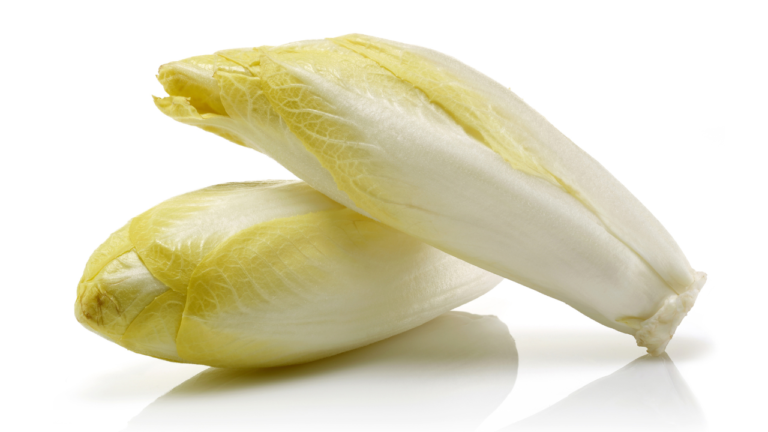
Introducing chicory, a versatile ingredient that spreads from Europe to Asia and Africa!
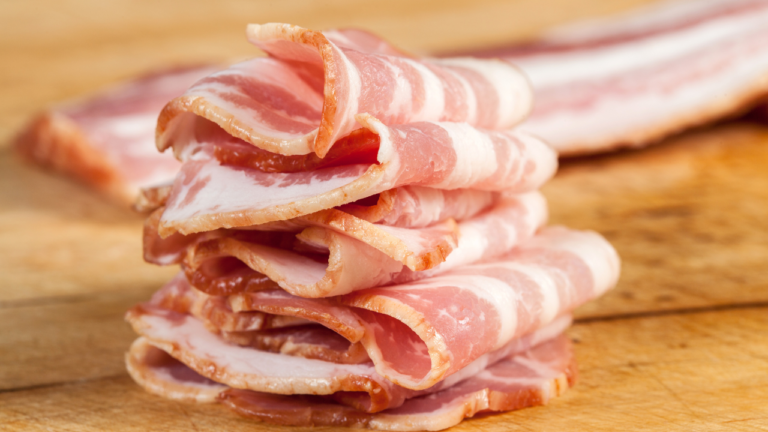
We explain the various types and features of bacon, as well as other recommended recipes that make use of bacon!
Starting with pickled bran to early summer! Introducing easy ways to start fermented foods and recommended containers!
Shishito peppers: They may look spicy but are surprisingly mild. The appeal of this versatile ingredient and recipes using them
Basics of Fish Cooking: Master How to Fillet and Cut Sashimi!