Enjoy spring cabbage! We also introduce delicious recipes

table of contents
- 1 Learn about the appeal and characteristics of new cabbage
- 2 The history of new cabbage and dishes originating from overseas
- 3 List of dishes using new cabbage
- 4 New cabbage and chicken peperoncino pasta
- 5 Spring cabbage and pork shabu salad
- 6 The origins and enjoyment of dishes using new cabbage
- 7 Summary and new ways to enjoy cabbage
Learn about the appeal and characteristics of new cabbage
New cabbage, which is available in the spring, is characterized by its soft leaves and high water content. Compared to regular cabbage, it is loosely rolled, and feels light when you pick it up whole. It is sweet even when eaten raw, and becomes soft with just a quick cook, so it can be used in a variety of dishes. Here we will introduce some of the attractions of new cabbage
- soft and easy to cook,
and can be cooked in a short time no matter how you cook it, whether stewing, stir-frying, or using it in salads. However, it loses its shape easily if you cook it too much, so if you want to keep the texture, it is best to cook it quickly.
New cabbage is extremely fresh and has a juicy sweetness. It is especially soft down to the core, so you can enjoy the flavor of the whole cabbage by slicing it thinly and using it to its fullest .- Enjoying it in Spring:
As one of the vegetables that heralds the arrival of spring, it is easy to create a sense of the season, and its soft yellow-green color brightens up dishes. By enjoying it in season, it is an ingredient that makes it easy to incorporate the changing of the seasons into your dining table.
To make the most of these characteristics, it is recommended to use up new cabbage as soon as possible after purchasing it. To store it, wrap it in newspaper or cover the cut side tightly with plastic wrap and store it in the vegetable compartment of your refrigerator
The history of new cabbage and dishes originating from overseas
Cabbage is said to have originally been cultivated in Europe. It is said to have been introduced to Japan in ancient times, but it only became popular after the Meiji period. Nowadays, it is a typical vegetable that can be obtained all year round, but the "new cabbage" that appears in early spring in particular makes you feel the arrival of the season
Many of the recipes introduced in this article are based on cooking methods originating from overseas countries such as Italy and Korea. For example, peperoncino is a type of Italian dish known as a simple pasta dish in which chili peppers and garlic are stir-fried in olive oil. Also, gochujang is a fermented seasoning representative of Korea, characterized by its spicy and sweet flavors. Stew is said to have originated in Europe and is a widely loved dish made by simmering a variety of vegetables and meats
These dishes have become widely enjoyed in Japanese homes, but they were originally based on dishes introduced from overseas. By combining them with Japanese ingredients and the seasonal vegetable new cabbage, new ways to enjoy them have been created. From here, we will introduce a variety of recipes that make the most of the appeal of new cabbage
List of dishes using new cabbage
Here are some recipes to help you fully enjoy spring cabbage. There are many ways to prepare it, such as lightly cooking it to bring out its sweetness, or making it into a soup to bring out its umami flavor
| Recipe Name | Features | Elements of foreign origin |
|---|---|---|
| New cabbage and chicken peperoncino pasta | An arrangement of the classic Italian pasta "Peperoncino" | Peperoncino originated in Italy |
| Peperoni-style stir-fried chicken breast and spring cabbage | Italian peperoncino flavor applied to stir-fries | Based on the Italian dish Peperoncino |
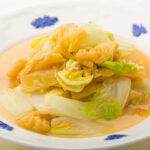
| Pork belly and spring cabbage stewed in salt soup (no knife required, just boil) | A simple recipe that just requires you to put the ingredients in a pot and simmer | Many stews in soup have their roots in Europe |
| Meat-wrapped cabbage with spicy gochujang sauce | Korean-style arrangement using gochujang | Gochujang originated in Korea |
| Spring cabbage and pork shabu salad | A refreshing Japanese-style shabu-shabu and salad combination | Shabu-shabu is unique to Japan, but salad styles often originate from overseas |
| Made with milk ♡ "Chicken and spring vegetable stew" that you'll want to eat in the spring | Creamy and mellow stew | Stew originated in Europe |
New cabbage and chicken peperoncino pasta
The compatibility of new cabbage and pasta
The soft texture and sweetness of new cabbage goes well with oil-based pasta. Peperoncino, which originated in Italy, is appealing for its simplicity: just fry garlic and chili peppers in olive oil. Adding seasonal new cabbage and chicken makes it even more filling
★
Ingredients (for 4 people)
- Spaghetti...320g
- Chicken (thighs, breasts, etc., as desired) ... 200g
- New cabbage...about 1/4 head
- Garlic ... 2 cloves
- Red chili peppers... 1-2 (adjust to taste)
- Olive oil... 3 tablespoons
- Salt...appropriate amount
- Black pepper...appropriate amount
- Pasta boiling water...about 1 ladleful
How to make it
- Material preparation
- Tear the new cabbage into large bite-sized pieces by hand. You can also cut it with a knife, but tearing it will create a jagged cross section that will allow the flavors to blend more easily
- Peel the garlic and slice it thinly. Remove the seeds from the chili pepper and slice it into rings, which makes it easier to adjust the spiciness
- Cut the chicken into bite-sized pieces and sprinkle with salt and black pepper
- Boil the pasta
- Boil the spaghetti in plenty of salted water. Boil it for about one minute less than the package suggests, so that it has just the right texture when you mix it with the sauce at the end
- Oil and Fragrance Preparation
- Put olive oil, garlic, and chili pepper in a frying pan and heat over low heat. Slowly bring out the aroma, and when the garlic starts to turn golden brown, add the chicken
- Once the surface of the chicken has changed color, transfer the pasta, which is almost done, to the frying pan
- Finishing
- Add about a ladleful of the pasta cooking water and swirl the pan to mix
- Add the new cabbage and stir-fry until softened. Once the new cabbage has softened, season with salt and black pepper to taste and it's done
- Serving
- Serve in a mound on a plate, drizzle lightly with olive oil, and sprinkle with black pepper before serving
- Serve in a mound on a plate, drizzle lightly with olive oil, and sprinkle with black pepper before serving
Peperoncino is a simple pasta dish that originated in Italy, but adding fresh cabbage, an ingredient unique to Japan, gives it a more seasonal feel, and the umami of the chicken adds to the flavor, making it a satisfying main dish in one dish
Spring cabbage and pork shabu salad
Fusion of Japanese food culture and salad
Japanese shabu-shabu is characterized by the cooking method of quickly dipping thinly sliced meat in hot water, but overseas it is common to eat thinly sliced meat like a salad. Here we will introduce a way to incorporate Japanese shabu-shabu into your cooking and enjoy spring cabbage like a raw vegetable.
Ingredients (serves 4)
- Thinly sliced pork for shabu-shabu... 200g
- 1/4 head of new cabbage
- Your favorite salad vegetables (cucumber, tomato, etc.) ... appropriate amount
- Your favorite dressing... appropriate amount
- Salt...a little
How to make it
- Preparing the cabbage
- Cut the new cabbage into thick strips or roughly chop it to a size that allows you to enjoy the crispness of the raw cabbage
- Boil the pork shabu-shabu
- Boil water in a pot and add a little salt
- Boil the pork briefly, and once it changes color, transfer it to cold water to cool, then drain
- Serving
- Arrange the new cabbage and other salad vegetables on a plate in a colorful arrangement
- Place the boiled pork shabu-shabu on top and finish with your favorite dressing
It's light and easy to eat, so it's recommended for when you don't have much of an appetite or when you want something refreshing. It's a dish that combines overseas salad culture with Japanese shabu-shabu
The origins and enjoyment of dishes using new cabbage
All of the dishes introduced here are based on styles that originated overseas, but have been adapted to suit the circumstances of Japanese kitchens and the characteristics of the ingredients. New cabbage is a soft, juicy variety that is shipped in early spring, among the varieties of cabbage that were introduced from Europe and have been improved over time. Therefore, it can be used in a wide range of dishes, such as stir-fries, soups, stews, and salads
- Peperoncino and Peperoni-style Stir-fry : These dishes incorporate Italian elements while adding ingredients and seasonings unique to Japan, making them healthier and easier to prepare.
- Gochujang sauce and stewed soup : Korean gochujang and European-originated soup dishes are becoming staples in Japanese households. The softness of new cabbage brings out the spiciness and umami of each dish.
- Stew : This dish originally originated from European stew culture, but is often adapted to Japanese tastes using milk and miso paste. Combined with spring vegetables, it gives a seasonal feel.
Summary and new ways to enjoy cabbage
New cabbage has thinner, softer leaves than regular cabbage, and is characterized by its sweetness. Because it's available in early spring, you can enjoy a variety of delicious dishes that can be prepared in a short time. These recipes, which incorporate cooking methods and seasonings from overseas and are tailored to suit Japanese households, will enrich your busy daily meals
Even if you try simple dishes that make the most of the charm of new cabbage, you can instantly bring a touch of spring to your otherwise boring dinner table. By combining cooking methods such as stir-frying, stewing, and tossing, you can fully enjoy the soft and juicy texture of new cabbage
Finally, if you get your hands on some fresh cabbage, be sure to use the recipes introduced in this article to fully enjoy the flavors of the season. This dish, which combines culinary culture from overseas with ingredients unique to Japan's spring season, is sure to add a touch of elegance to your dinner table

Related Articles
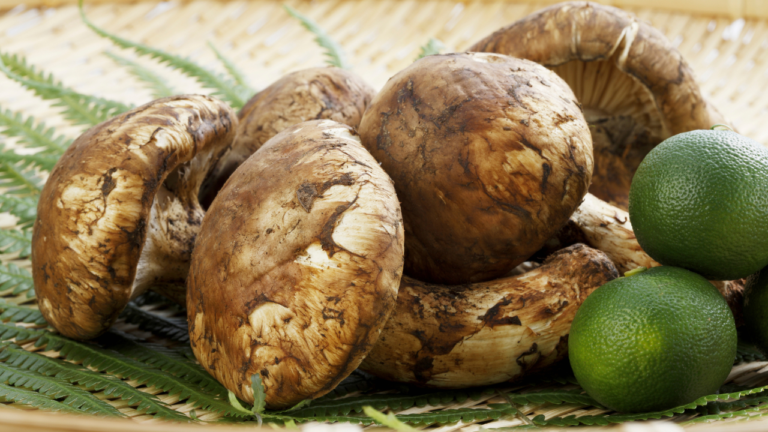
Matsumoto Take: Introducing the characteristics of being called the Mushroom King and recommended recipes!
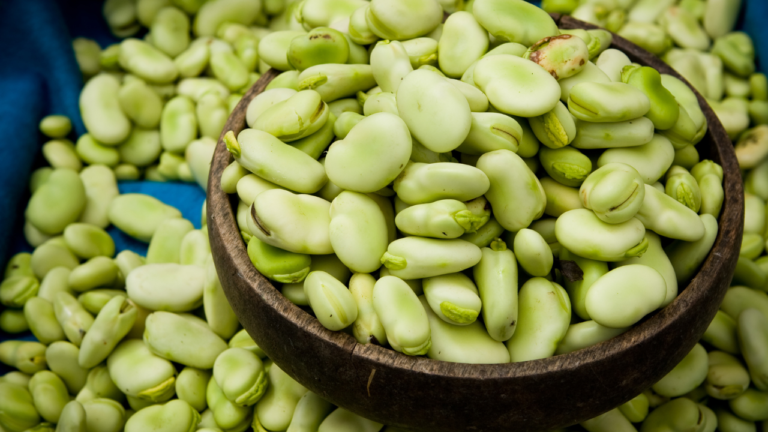
Soramame season, how to choose, and delicious recommended recipes
Pre-made side dishes: Introducing marbled chicken!
The Appeal and Use of Mushrooms: Secrets and Recipes of Western Matsutake
Enjoy seasonal radishes! Introducing special recipes from our epi recipes!