[Characteristics of rape flowers and how to preserve and arrange them] Get ahead of spring! Introducing rape flowers that allow you to enjoy the whole season

table of contents
- 1 What is "rapeseed blossoms" that herald the arrival of spring? A delightful seasonal taste with a slightly bitter taste
- 1.1 What kind of plants are members of the Brassicaceae family?
- 1.2 The history of rapeseed flowers and their role as a symbol of spring
- 1.3 The relationship between winter vegetables and bolting
- 1.4 Various characteristics of rapeseed flowers by vegetable
- 1.5 Basic points for enjoying delicious food
- 1.6 Classic recipe: rape blossoms with mustard
- 1.7 The culture of "eating flower buds" is popular overseas
- 1.8 Cooking variations of rape blossoms
- 1.9 Rape blossoms add color to your life
- 1.10 summary
What is "rapeseed blossoms" that herald the arrival of spring? A delightful seasonal taste with a slightly bitter taste
When you hear the word "rapeseed blossoms," what is the first image that comes to mind? A yellow carpet spreading out before your eyes, and the soft, fluffy scent of spring—these are probably the images that come to mind for many people
In fact, the "rapeseed blossoms" you see in supermarkets are actually the buds and flower stalks of Brassicaceae vegetables that have been picked before they bloom. Even familiar winter vegetables such as daikon radish, turnip, Chinese cabbage, mizuna, and arugula begin to bloom as spring approaches. These flower buds and flower stalks are called "rapeseed blossoms," and the custom of using them in cooking has taken root
Rape blossoms, with their slightly bitter yet faintly sweet taste, are a seasonal ingredient that truly brings spring to your senses. In this article, we've put together an easy-to-understand summary of the history and characteristics of rape blossoms, as well as tips on how to select and cook them. Be sure to read to the end for tips on how to enjoy the arrival of spring in a delicious way
What kind of plants are members of the Brassicaceae family?
The Brassicaceae family includes many winter vegetables, such as radishes, turnips, Chinese cabbage, and broccoli. These vegetables have the ability to develop strong roots and leaves during the cold season, and then bloom all at once when the weather warms up. The
soft buds and flower stalks before they bloom have a slight sweetness that is perfectly balanced with bitterness. They are truly delicious parts that are only available in spring.
The difference between edible and ornamental
When you think of "rapeseed flowers," many people probably imagine a field of yellow flowers. Most of that beautiful scenery is made up of varieties grown for ornamental purposes. On the other hand, the ones sold for consumption in supermarkets are Brassicaceae vegetables that have been bred with an emphasis on flavor. Since ornamental flowers prioritize appearance, while edible flowers prioritize flavor, there are surprising differences between edible and ornamental flowers, even though they may both be yellow
The history of rapeseed flowers and their role as a symbol of spring
Brassicaceae plants have been widely used around the world, and have been an integral part of people's lives since ancient times, whether for oil extraction from seeds or as animal feed. In Japan, rapeseed oil is a familiar edible oil, and even today, rape blossoms are one of the most iconic sights of spring.
As the cold winter draws to a close, the sight of the vibrant yellow rape blossoms in full bloom makes us realize that "Ah, spring has arrived." Even when rape blossoms are served on the table while still in bud, their soft texture and slightly bitter taste make them a taste of the transition from winter to spring.
The relationship between winter vegetables and bolting
When the weather gets warmer, winter vegetables begin to "bolt," a process in which they suddenly grow stems and prepare to bloom. Vegetables that are primarily root-based, such as radishes and turnips, can develop rot and a poor texture as they bolt, so they are usually harvested before bolting.
However, it is at this time when nutrients are gathering in the "flower buds" and "flower stalks" that the so-called "rapeseed blossoms" appear. Seeing them in a home garden is a happy sign that spring is just around the corner.
Various characteristics of rapeseed flowers by vegetable
Radish rape blossoms
- Appearance and taste : The stems are thick and have a firm texture. They have a slightly bitter yet sweet taste and a crunchy texture.
Turnip rape blossoms
- Appearance and taste : The stems are soft and have little fiber, and have a mild bitterness. The gentle flavor makes them easy to eat.
Chinese cabbage rape blossoms
- Appearance and taste : The flower stalk grows smoothly from the center where the leaves overlap. It has a mild flavor and is easy to eat even for those new to rapeseed.
Mizuna rapeseed flowers
- Appearance and taste : The stems are thin and have a crunchy texture. They have a slightly strong bitter taste, but this can be adjusted by pre-boiling or other cooking methods.
Arugula rapeseed
- Appearance and taste : Originating from overseas, it has a distinctive tangy flavor. It pairs well with salads and pasta.
Bok choy rape blossoms
- Appearance and taste : The stems are slightly thin and the buds are soft. The mild bitterness and sweetness are well balanced, making it suitable for use in stir-fries.
Basic points for enjoying delicious food
1. How to choose
- ones with tightly closed buds , they will be fresher and the bitterness will be more delicious.
- Check that the cut end of the stem is fresh and that the leaves and buds are not wilted
2. How to save
- best to cook it as soon as possible , but if you're not going to use it right away, wrap it in damp kitchen paper, place it in a plastic bag, stand it up, and refrigerate it.
- If you can't use it all after a few days, it's convenient to lightly boil it and store it in the freezer
3. Cooking tips
- A short pre-boiling will reduce the bitterness. Boil them quickly in salted water for 20-30 seconds, then immediately transfer them to cold water.
- Cruciferous vegetables go well with oil , so when combined with stir-fries, oily salads, and pasta, they reduce bitterness and add richness.
Classic recipe: rape blossoms with mustard
Ingredients (for 4 people)
- Rape blossoms ... 1 bunch
- Mustard (tube available) ... 1-2 teaspoons (to taste)
- Soy sauce ... 2 tablespoons
- 1 tablespoon mirin
- 1 tablespoon of dashi (strong stock or dissolved dashi granules)
- Adding dried bonito flakes or white sesame seeds to taste will enhance the flavor even more
How to make it
- Preparation
- Wash the rape blossoms and cut off some of the tough parts of the stems
- Separating the thick part of the stem from the leaves and buds will help reduce uneven cooking
- Boil
- First, add the stems to boiling water with a little salt and boil for about 10 seconds
- Add the leaves and buds and boil for another 20 seconds, then immediately transfer to cold water
- Put in cold water
- Once cooked, rinse in cold water to remove the heat and squeeze out all the water
- Cut it into bite-sized pieces
- Make the dressing
- Combine the mustard, soy sauce, mirin, and dashi in a bowl and mix well
- Adjust the mustard to your preferred spiciness
- Mix
- Place the drained rape blossoms in a bowl and coat them completely in the batter
- Sprinkle some bonito flakes or white sesame seeds on top to add a fragrant flavor, making it even more delicious
The culture of "eating flower buds" is popular overseas
Not only in Japan, but in parts of Europe and Asia, it is customary to eat the young flower buds and stems of Brassicaceae plants. For example, in Italy, it is common to quickly stir-fry arugula and broccoli sprouts or add them to soups.
Each variety has a slightly different bitterness and aroma, so it can be fun to find your favorite that makes you say, "I love this flavor!" Recently, it has become easy to grow overseas varieties in Japanese home gardens, so if you're interested, why not give it a try?
Cooking variations of rape blossoms
- Salad : Enjoy the aroma and bitterness of rape blossoms with simple seasonings such as mustard dressing or vinegar and miso dressing.
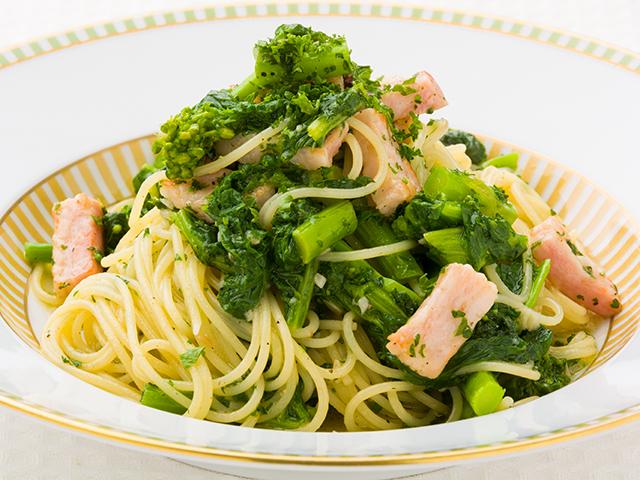
- Stir-fried dishes : We also recommend a Western-style arrangement using bacon, garlic, olive oil, etc.
- Tempura : Frying softens the bitterness and gives it a crispy texture.
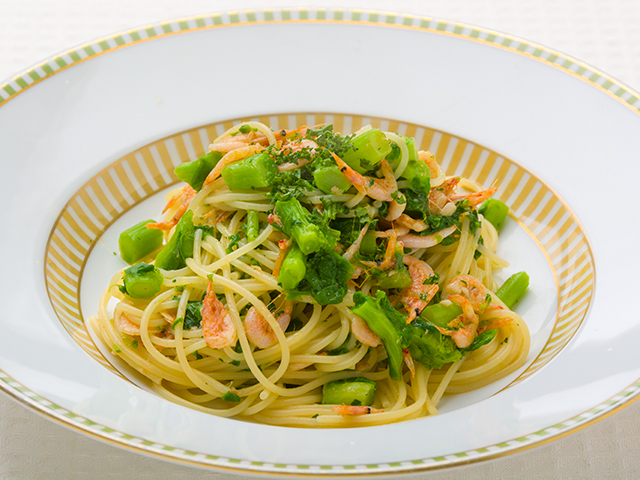
- Pasta : Add it to peperoncino or oil-based sauces to add color and flavor.
- Soup : Add it at the end of the soup to add a beautiful bright green color and accentuate the flavor.
Rape blossoms add color to your life
Not only are they great to eat, but one of the great attractions of rapeseed flowers is the way they create spring scenery with their yellow blossoms spreading across riverbanks and fields. When rapeseed flower festivals are held in various places, many people head out to take photos.
On the other hand, edible rapeseed flowers should be cooked as soon as possible to enjoy them at their best, retaining their bitterness and texture. If you can find rapeseed flowers of different varieties and origins, why not try comparing their tastes?
summary
- Rape blossoms are a general term for the flower buds and flower stalks of the Brassicaceae family , and in fact, rape blossoms can be harvested in spring even from winter vegetables such as radishes, turnips, and Chinese cabbage.
- The slightly bitter and slightly sweet taste is unique to ingredients that allow you to enjoy the changing seasons
- Ornamental and edible varieties are different , so even yellow flowers can have completely different flavors.
- The trick to eating it deliciously is to boil it briefly and combine it with oil .
- There are many ways to cook it, such as with mustard, stir-fry, tempura, and pasta, so be sure to find a recipe that suits your taste
The bittersweet taste of rape blossoms, which herald the arrival of spring, is a taste that marks the momentary transition from cold to warm seasons. Combined with their gorgeous appearance, they bring color and a sense of the season to your table. Be sure to try tasting the various types of rape blossoms, a pleasure that can only be had at this time of year. You'll be able to feel the signs of spring even on your tongue, and you'll be able to spend a slightly luxurious time
[Introducing specially selected epi recipes]





Related Articles
Bean sprouts: Introducing the appeal of this versatile ingredient that brightens up your daily meals and recipes that use it!
Yurine: What are the characteristics and ways to utilize ingredients that serve as a great supporting role in Japanese cuisine?
Packed with nutrition! We'll show you how delicious carrots are and how to make the most of their nutritional value with these recipes!
The charm and enjoyment of pumpkin! A popular vegetable that is affordable and packed with nutrients

A fascinating citrus fruit that is available from spring! Introducing recipes to enjoy Amanatsu