Chinese cabbage recipes | Popular cooking methods and recommended ways to enjoy the sweetness of the season
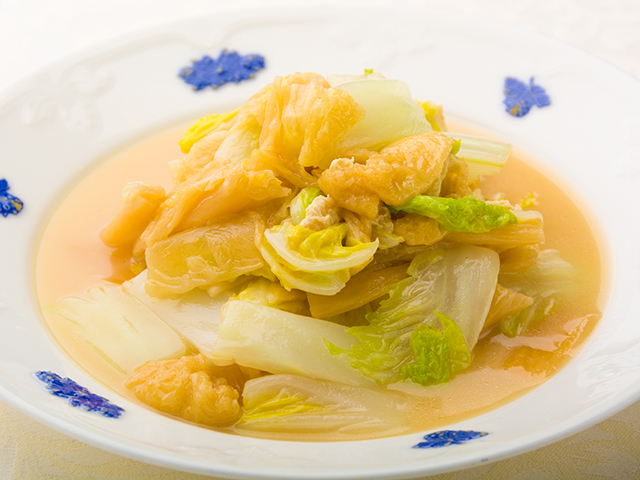
Chinese cabbage is in season from winter to early spring, and February is the perfect time to eat it. Frost makes the cabbage sweeter and the leaves softer, so you can enjoy its deliciousness in a variety of dishes
Although Chinese cabbage is known as a staple ingredient in hot pot dishes, it is actually a versatile vegetable that can be enjoyed in a wide variety of ways, such as stir-fries, pickles, soups, and salads. Even if you buy a whole head, you can eat it all without getting bored by using different parts
In this article, we will introduce information on how to use up Chinese cabbage in a delicious way, from how to select it and store it, to recommended cooking methods for each part
table of contents
How to select and store Chinese cabbage
How to identify tasty Chinese cabbage
When choosing Chinese cabbage at the supermarket or greengrocer, check the following points
| part | In good condition | A situation to be avoided |
|---|---|---|
| leaf | Bright green and firm | Yellowing and wilting |
| core | White and fresh | It has turned brown |
| whole | It's very heavy | It's light and airy |
| cut | Flat and dry | It's thriving (time has passed since harvest) |
How to store Chinese cabbage
If stored properly, Chinese cabbage will stay fresh for a long time
If you want to store it whole, wrap it in newspaper and store it upright in a cool, dark place, and it will last for about 2 to 3 weeks. If you store it lying down, it will spoil more easily, so be sure to store it upright.
If you have cut Chinese cabbage, wrap it tightly in plastic wrap and store it in the vegetable compartment of your refrigerator. It is recommended to use it up within a week.
If you freeze it, you can store it for about a month by roughly chopping it and putting it in a freezer bag. If you add it to a hot pot or soup while it is still frozen, the flavor will penetrate more easily.
Recommended cooking methods for each part of Chinese cabbage
The texture and flavor of Chinese cabbage varies depending on the part, so there is a cooking method that is best suited to each part
| part | Features | Recommended cooking methods |
|---|---|---|
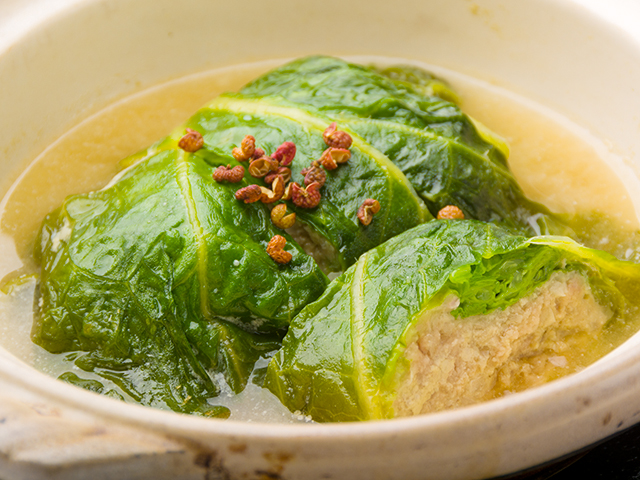
| outer leaf | Deep green color and firm texture | Stir-fried dishes, rolled Chinese cabbage, pickles |
| Uchiha | Soft and sweet | Hotpot dishes, steamed dishes, salads |
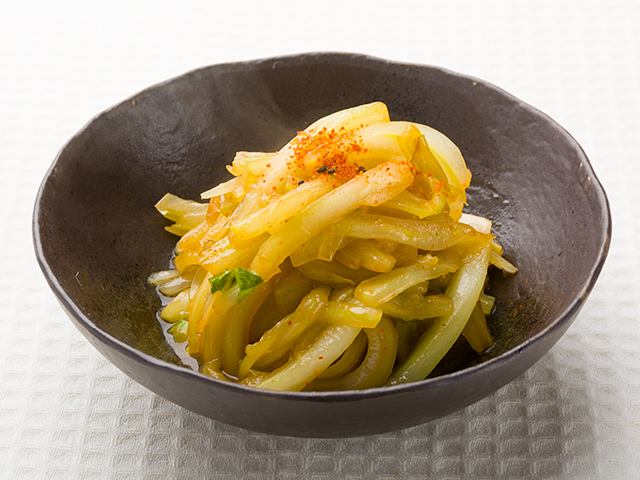
| Core (base) | Crunchy texture | Lightly pickled, thinly sliced and stir-fried, soup |
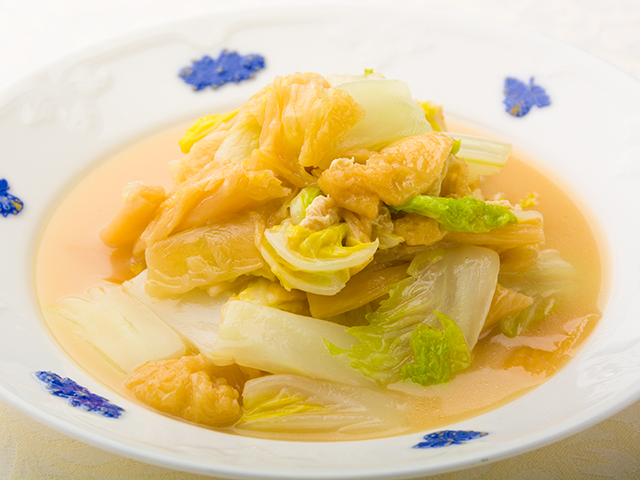
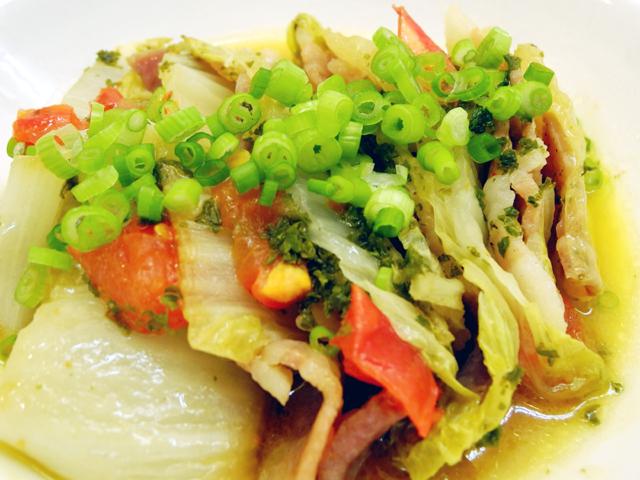
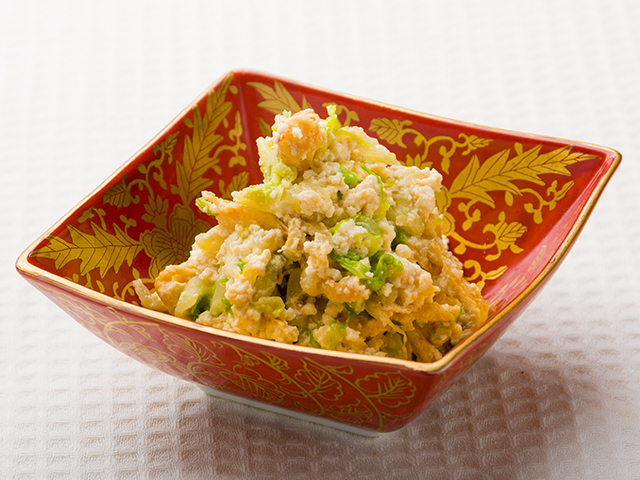
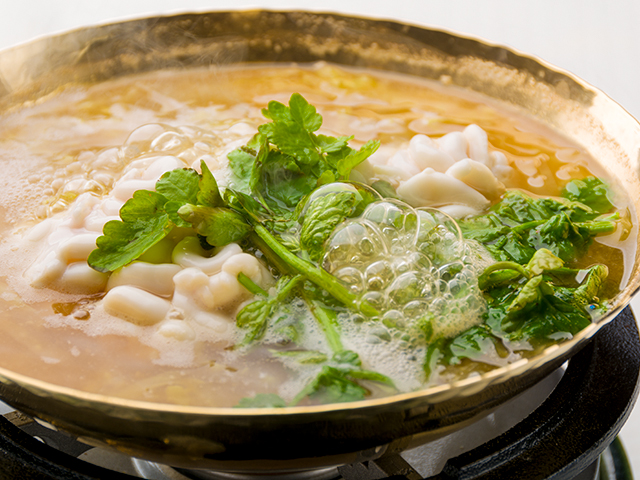
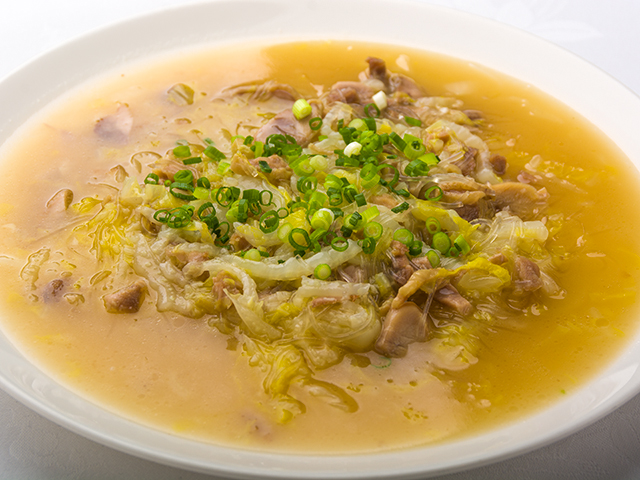
Introducing EpiRecipe's specially selected original recipes!



Related Articles
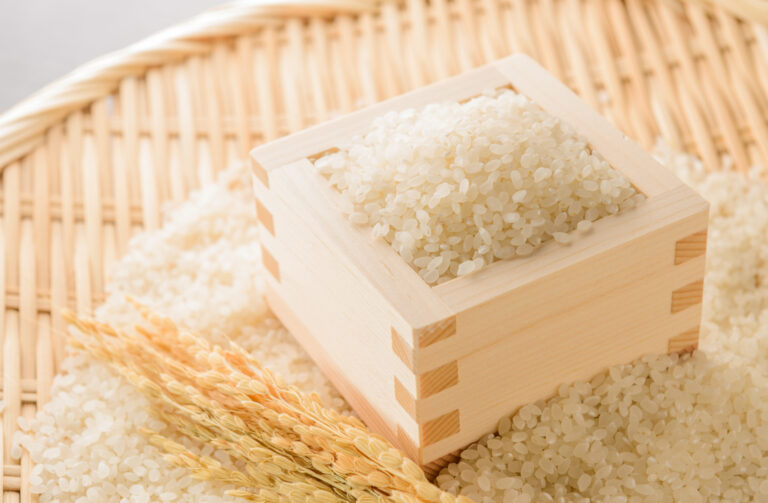
When will the 2025 harvest of rice be available? We'll introduce you to everything from the latest rice news to autumn clay pot rice!
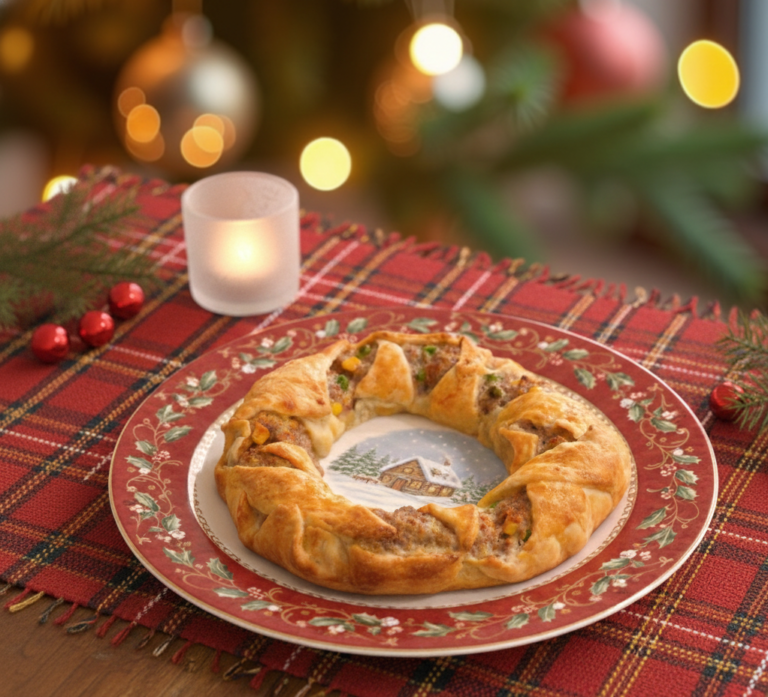
Introducing Reese Pie, perfect for Christmas!
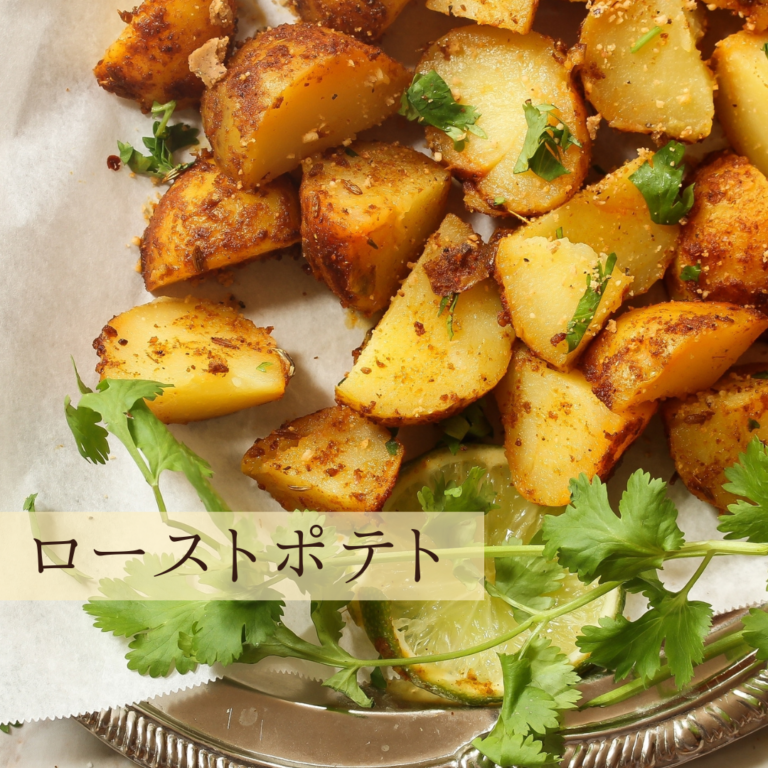
Easy to make with Baron potatoes! Learn how to make the traditional British dish "roast potatoes," crispy on the outside and fluffy on the inside

Don't let the flavor of the meat go away! Tips for making juicy hamburger
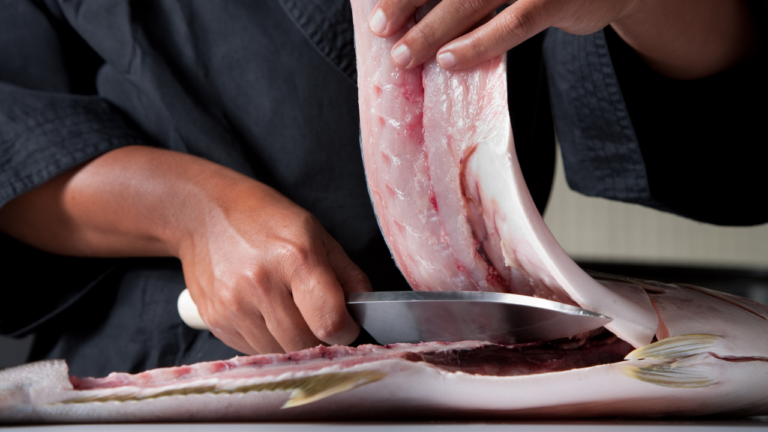
Basics of Fish Cooking: Master How to Fillet and Cut Sashimi!