Matsumoto Take: Introducing the characteristics of being called the Mushroom King and recommended recipes!
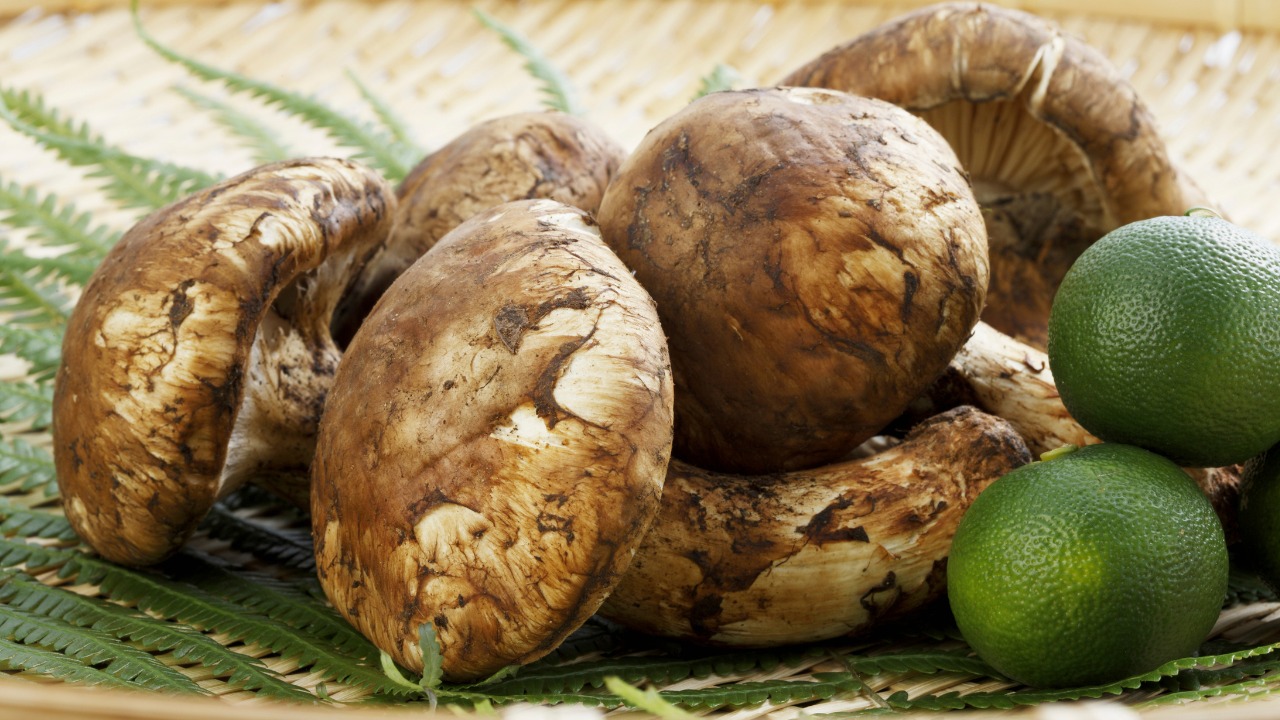
table of contents
What is Matsutake?
Matsutake mushrooms, with their unique aroma and flavor, are a symbolic ingredient on the Japanese autumn table. They are also expensive, so much so that they are known as the "king of mushrooms." Domestic matsutake mushrooms, especially those that grow in red pine forests, are famous for their exceptional fragrance. On the other hand, matsutake mushrooms imported from the Korean Peninsula and Canada are also available on the market, and although their fragrance is somewhat milder than domestically produced mushrooms, they are also attractively priced
Matsutake mushroom season and how to choose them
Matsutake mushrooms are in season in autumn, but there are also "early mushrooms" that appear during the rainy season, which can be enjoyed as an early summer delicacy. The key to choosing high-quality matsutake mushrooms is to choose ones with thick, chunky stems and caps that have not yet opened. Also, avoid dried ones as they have lost their freshness
Recommended recipes using matsutake mushrooms
Preparing Matsutake Mushrooms
Preparing matsutake mushrooms is important to preserve their fragrance. Generally, matsutake mushrooms are used without washing them. Washing them with water makes them watery and weakens their fragrance. To prepare them, first thinly scrape off the stem, then lightly wipe the surface with a tightly wrung-out cloth or paper towel. If you absolutely must wash them, simply dip them quickly in a slightly salted water solution
Matsutake earthenware pot recipe
Ingredients (serves 4)
- Matsutake mushroom: 1 stalk
- Abalone (canned): 1 can (net weight 200g)
- Ginkgo nuts: 20 pieces
- Green onion (sliced diagonally): appropriate amount
- 1 stalk of broccoli
- Oyster sauce: 1 tablespoon
- Chinese-style soup (a little soup base and water): 3 tablespoons
- salad oil, sugar, sake, soy sauce, potato starch
How to make it
- the matsutake
mushrooms by thinly slicing them lengthwise. Sprinkle with 2 tablespoons of sake and let sit for 5-6 minutes. - Sprinkle salt and sake on the abalone
and leave for 30 minutes, then dip in boiling water and rinse in cold water. Then cut into thin slices 3mm thick. - Preparing the ginkgo nuts and proccoli:
Peel the ginkgo nuts, boil them in boiling water with a little salt, and peel off the thin skin. Divide the proccoli into small florets and boil them.
Heat 2 tablespoons of salad oil in a wok and fry the green onions. Once fragrant, stir-fry the abalone, then add the matsutake mushrooms and proccoli and stir-fry quickly .
Add oyster sauce, sugar, sake, soy sauce, and Chinese soup stock, bring to a boil, then add potato starch dissolved in water. Mix well, then serve in a serving dish .
summary
Matsutake mushrooms, with their unique aroma and flavor, are a typical autumn ingredient in Japan. Domestically produced products are expensive, but they are well worth the price. Imported products can also be used in a variety of dishes, allowing you to easily enjoy the flavor of matsutake. Why not add color to your autumn table with dishes using matsutake?

Related Articles
Perfect for preparing side dishes or side dishes! Ratatouille made with plenty of summer vegetables
The appeal and uses of shimeji mushrooms: Introducing the secret to their deliciousness and a variety of recipes!

Introducing "Pasta alla Gricia," a dish that originated in the Lazio region of Italy!
Help menu on busy days! Introducing sausage-style minced meatballs that can be prepared in advance
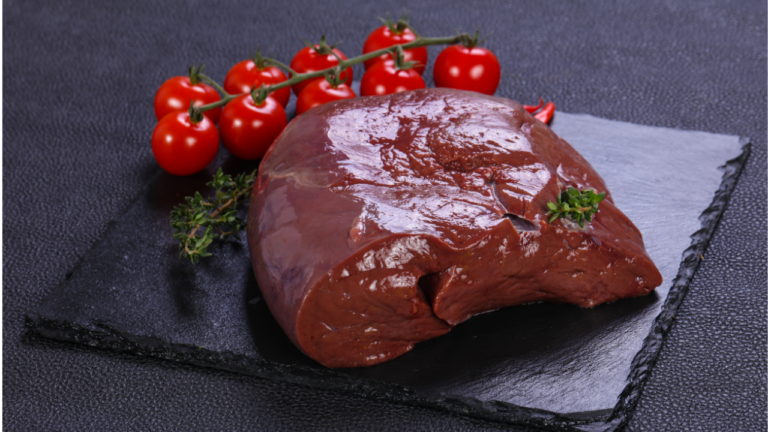
Use pork motsu masters! Easy recipes for stir-fried roe liver at home and the appeal of pork motsu