Yurine: What are the characteristics and ways to utilize ingredients that serve as a great supporting role in Japanese cuisine?
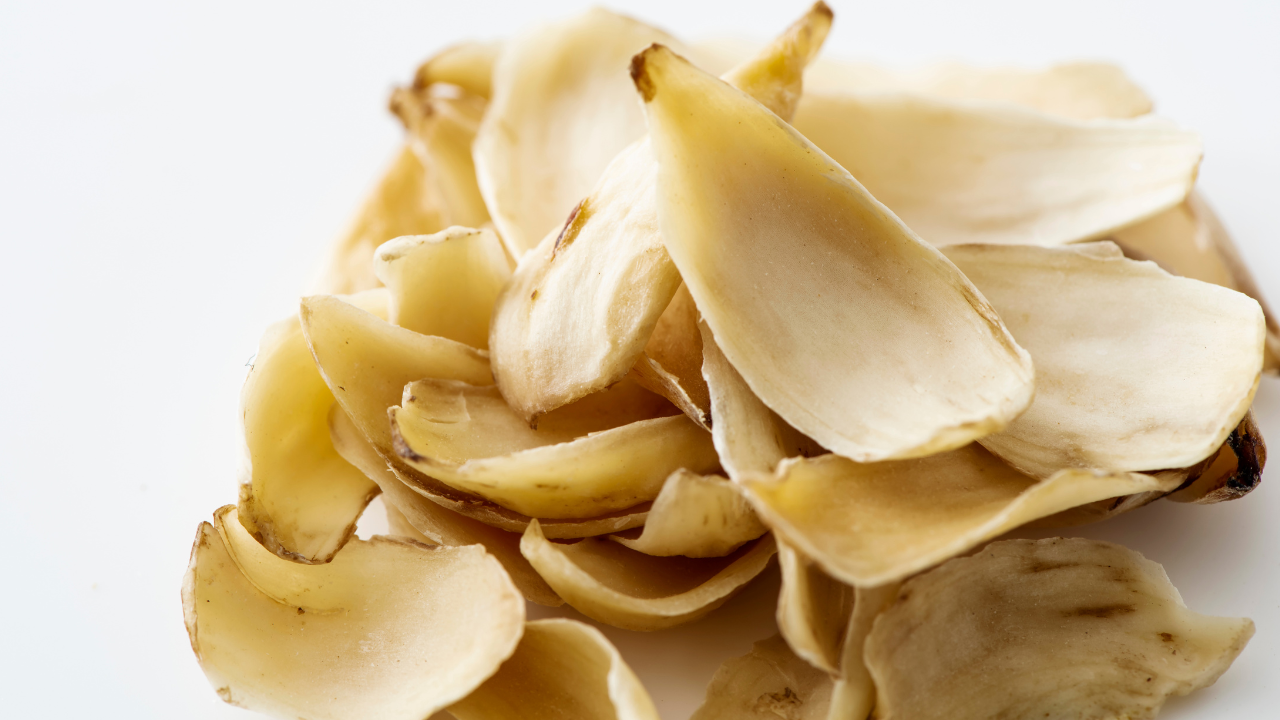
Lily bulbs are a food obtained from the bulbs of plants in the lily family. They have been cultivated in Japan since the mid-Edo period, and today are mainly produced in Chiba, Nagano, and Hokkaido. They are particularly popular in the Kansai region, where they account for 70-80% of national consumption. In this article, we'll introduce everything from how to select lily bulbs to recipes that complement Japanese cuisine
table of contents
What is lily root?
The main varieties of lily bulbs are Oni-yuri and Kooni-yuri, but also Yama-yuri. These have less of the characteristic bitterness and are suitable for eating
Lily root in season and how to choose it
Lily bulbs are harvested from late autumn to winter. As the quality deteriorates as the weather gets warmer, it is best to purchase them in winter. When choosing lily bulbs, look for ones that are white, rounded, and have firm bulbs
Highly nutritious lily root
Lily root is rich in protein, sugar, phosphorus and potassium, all of which play an important role in your daily diet
Japanese recipes using lily bulbs
Lily bulbs have a soft, fluffy texture that is characterized by a sweetness and a slight bitterness, and can be used in a variety of Japanese dishes
Boiled lily root
Ingredients (serves 4)
- Lily bulb: 800g (approximately 2 bulbs)
- Dried scallops: 2 pieces
- Dashi: 2 cups
- Salt, mirin, potato starch: appropriate amount
How to make it
- Preparing the lily bulbs: Wash the lily bulbs and peel off the skin one layer at a time.
- Rehydrating dried scallops: Soak the dried scallops in lukewarm water for several hours to half a day to rehydrate them.
- Preparing the shimeji mushrooms: Cut off the base of the shimeji mushrooms and separate them into smaller pieces. Cut the mitsuba into 2cm lengths.
- Simmering: Place the dried scallops and their soaking liquid in a pot, add the dashi stock, and simmer until tender. Then season with 1/3 to 4 teaspoon of salt and 2 tablespoons of mirin.
- Thickening: Add the lily bulbs and shimeji mushrooms, simmer for 4-5 minutes, then add 1 tablespoon of potato starch dissolved in twice the amount of water to thicken the sauce.
- Finishing touches: Garnish with mitsuba (Japanese parsley) for color, then transfer to a serving dish.
Tips and Points
- Shimeji mushrooms can also be substituted with fresh shiitake mushrooms or enoki mushrooms
- Dried scallops last a long time and have a great flavor, so it's convenient to keep them on hand. If you don't have any, you can use canned boiled scallops instead
Lily root with plum sauce
Ingredients (serves 4)
- Lily root: 200g
- Plum soy sauce: appropriate amount (pickled plum, vinegar, dashi)
How to make it
- Preparing the lily bulb: Cut off the root with a knife, and peel off the petals one by one while washing away any dirt.
- How to boil lily bulbs: Boil the lily bulbs in boiling water with a little vinegar for 4-5 minutes, then drain the water.
- Making plum paste soy sauce: Remove the pits from the pickled plums, strain them through a sieve, and dilute with vinegar and dashi stock.
- Plating: Mix the lily bulbs with plum paste and soy sauce, then arrange them on a plate, being careful not to break their shape.
Tips and Points
- Lily bulbs tend to crumble after boiling, so be careful when mixing them. It is also recommended to mix them with sea urchin
These recipes are designed to allow you to enjoy traditional Japanese flavors with a modern sensibility. They are the perfect dish to share with family and friends as the seasons change. Please give them a try!
summary
The recipe featured in today's blog, "Sunada Iso no Zuken," brings the essence of traditional Japanese cuisine to the modern table. The main ingredients used, lily root and dried scallops, each have their own unique texture and flavor, and when cooked together, they bring out the best in each other
The unique feature of this recipe is that it is easy to make while still bringing out the natural flavor of the ingredients. The presentation is also ingenious, making it a visually appealing dish. This dish, made with traditional Japanese ingredients, is perfect for everyday meals at home, as well as for entertaining guests on special occasions
Introducing our special recipes for epi recipes



Related Articles
夏の贈りもの、何にしよう ― 季節感で選ぶお中元とその楽しみ方

Enjoy seasonal eggplant! 3 Easy and Popular Recipes for Summer
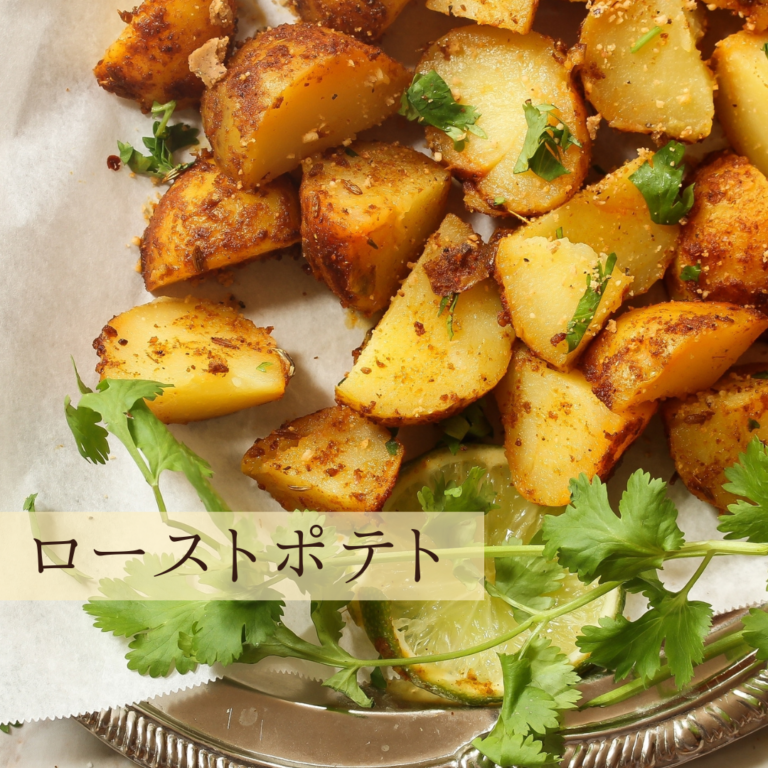
Easy to make with Baron potatoes! Learn how to make the traditional British dish "roast potatoes," crispy on the outside and fluffy on the inside
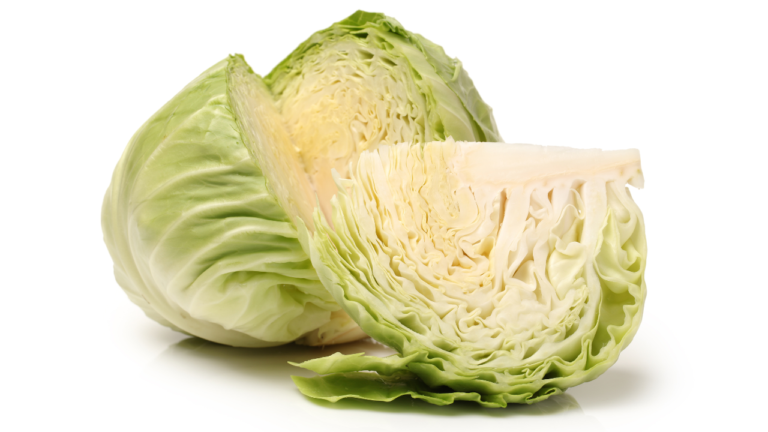
Introducing the appeal of cabbage, a versatile vegetable that can be enjoyed from winter to spring, and recipes that use it!
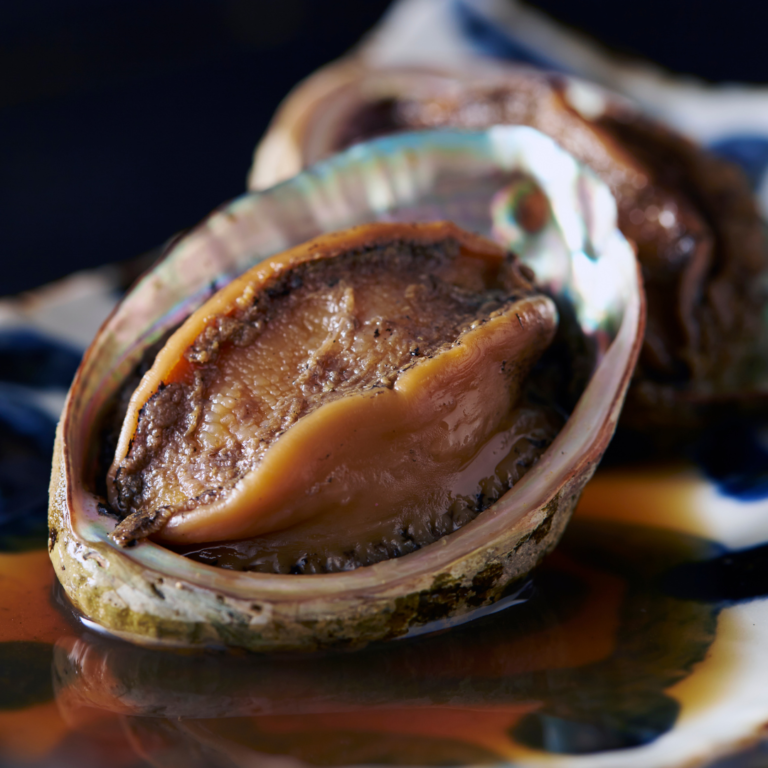
The charm of abalone and the best recipes: Explaining everything from how to choose it to recommended ways to eat it!