Pork: We introduce the characteristics of each part of pork and recommended recipes that make use of each of the characteristics!
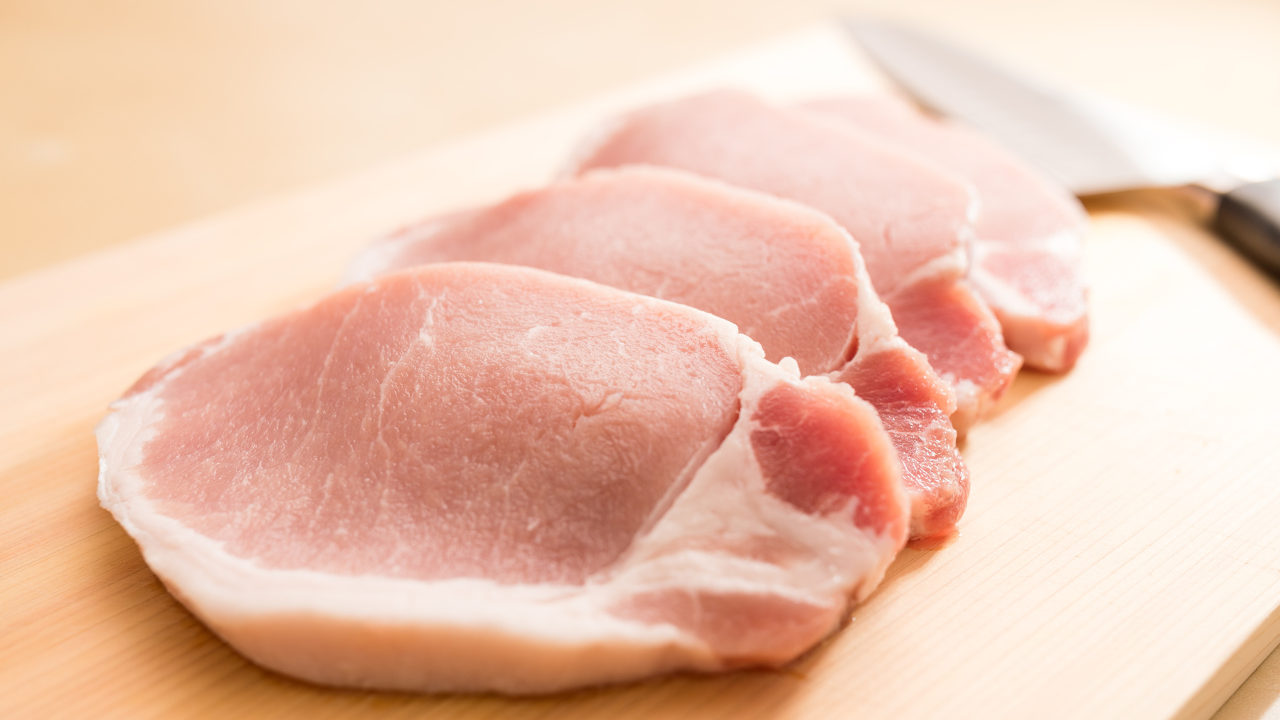
table of contents
- 1 Introduction
- 2 About the different parts of pork and their characteristics
- 3 Recommended recipes using pork
- 4 summary
- 5 Introducing special recipes using pork
Introduction
Pork is used in many dishes due to its rich flavor and diverse cooking methods. Each cut of pork has different characteristics, so choosing the right part for each dish will make it even more delicious. Here, we will introduce the main cuts of pork and their characteristics in detail, and suggest the best cooking methods and recipes for each. Learn the key points to bring out the best in pork and add color to your daily meals
About the different parts of pork and their characteristics
Pork loin (for cutlet)
Pork loin is a cut of pork that is particularly rich in flavor. Its tenderness and uniform shape make it ideal for tonkatsu and sautéing. Choose high-quality loin with white fat and a beautiful pink, glossy flesh
Pork shoulder loin (thinly sliced)
Pork shoulder loin has a moderate amount of fat and is characterized by its rich flavor. It is the most commonly used cut of pork and can be used in a variety of dishes, such as boiled pork, steak, and sweet and sour pork. A good quality cut has a good balance of fat
Pork thigh (for steak)
Lean pork thigh is particularly low in calories and suitable for people on a diet. It can be enjoyed as pork steak
Pork spare ribs
This cut is made from the pork ribs, along with the meat. It has a lot of fat and a unique flavor, so it is recommended to cook it with spices, such as grilling it
Pork shoulder (thinly sliced)
Pork shoulder is a lean cut with a relatively coarse texture and little fat. Its texture is somewhat firm and is suitable for slicing thinly and grilling, or dicing and stewing slowly
Pork tender meat
This is the most tender cut of pork, with a fine texture and a premium feel. It has less than 10% of the fat of the loin, and has a refined, mild flavor. It is suitable for deep-frying and sautéing, and the key is to choose one with minimal sinew
Pork belly (thinly sliced)
This cut has three layers of fat and lean meat, and is characterized by its high fat content. The flavor of the fat is important, so it is best to choose one with pure white fat. Thinly sliced pieces are suitable for adding flavor to stir-fries
Each cut of pork has its own unique characteristics, so it's important to choose the best cut for each dish. By knowing the characteristics of each cut, you can broaden the range of pork dishes you can make and enjoy even more delicious meals
Recommended recipes using pork
Here are some recommended recipes that use pork
Pork ginger stir-fry recipe
Ingredients (serves 4, energy approx. 500kcal)
- Pork loin (thinly sliced): 500g
- Ginger: 40g
- Cabbage: 240g
- Seasonings: soy sauce, sake, mirin, salad oil
How to make it
- Preparing the pork:
- Spread the pork loin and cut it into two bite-sized pieces
- Preparing the ginger:
- Scrape the skin off the ginger, cut it into 1cm pieces and then slice it thinly
- Preparing the seasonings:
- Mix 6 tablespoons of soy sauce with 2 tablespoons each of sake and mirin to make a combined seasoning
- Preparing the cabbage:
- Cut the cabbage into thin strips, rinse in cold water until crisp, then drain. Wash the parsley and remove the tips
- Cooking pork:
- Heat 3 tablespoons of salad oil in a frying pan and add the pork
- Add ginger and seasonings:
- Once the meat has changed color, add the ginger and continue to stir fry. Add the combined seasonings and stir fry until they are mixed with the meat
- Serving:
- Place the shredded cabbage and pork in a bowl and garnish with parsley
This recipe is a popular Japanese dish that perfectly matches the juicy pork loin with the flavor of ginger. The cabbage on the side adds a refreshing accent, creating a well-balanced dish. It's a classic and delicious dish that can be easily made at home
Pork scraps tataki recipe
Ingredients (serves 4, energy approx. 150kcal)
- Thinly sliced lean pork: 300g
- Arrowroot flour or potato starch: as needed
- Half a piece of ginger (thinly sliced)
- Green shiso leaves: 8-10 leaves
- Cucumber: 1
- Celery: 1 stalk
- Myoga ginger: 2-3 pieces
- Carrot: 1 small
- Plum Sauce (Ingredients: 3-4 lightly salted pickled plums, 1 cup of pork broth, 1 tablespoon of light soy sauce, 1 teaspoon of sugar, 1/2 teaspoon of vinegar, 2 tablespoons of ground white sesame seeds)
How to make it
- Pork preparation:
- Cut the pork into bite-sized pieces and coat with arrowroot flour
- Boiled meat:
- Add ginger, sake, and a little salt to boiling water, and once it boils, add the meat one piece at a time. Once the color changes, cool in ice water and drain. Save the cooking water
- Preparing vegetables:
- Shred all the vegetables except for the green shiso, crisp them up in ice water, and drain
- Making plum sauce:
- Remove the seeds from the umeboshi plums and pound them finely, then combine with the cooking water and other ingredients
- Serving:
- Place green shiso leaves on top, arrange the meat and vegetables, and garnish with the plum sauce
This recipe features a refreshing plum sauce for pork. The flavor of ginger and the sourness of the plum bring out the umami of the pork, making it the perfect dish for a hot day
Nanbanzuke pork recipe
Ingredients (serves 4, energy approx. 300kcal)
- Pork shoulder loin (thinly sliced): 300g
- Green onion (large): 1
- Carrot: 4-5cm
- 1 large piece of ginger
- Tomato ketchup: 3 tablespoons
- Doubanjiang (bean paste): 1/2 teaspoon
- Potato starch, vinegar, soy sauce, sugar, frying oil
How to make it
- Pork preparation:
- Cut the pork into two or three bite-sized pieces, spread each piece out, sprinkle with potato starch, and shake off any excess flour
- Preparing vegetables:
- Thinly slice the onion diagonally from the root end
- Peel the carrots and cut them into julienne strips 4-5cm long
- Scrape the skin off the ginger and cut it into thin strips
- Preparing the seasonings:
- Put the tomato ketchup and chili bean paste into a small saucepan, add 4 tablespoons of vinegar, 2 tablespoons each of soy sauce and sugar, mix, and bring to a boil
- Cooking pork:
- Heat the oil to 170°C, deep fry the pork until crispy, then drain the oil
- Nanbanzuke is complete:
- Place the fried pork on a tray and spread the green onions, carrots, and ginger on top
- Pour hot seasoning over the dish and let it sit for about 10 minutes to let the flavors blend
- Mix everything lightly and serve
Nanbanzuke, a popular side dish that combines the crispy texture of pork shoulder loin with the spicy flavor of tomato ketchup and chili bean paste, is easy to make at home. You can enjoy the umami of the pork along with the crunchy texture of the vegetables. It is also recommended to wrap the meat with lettuce or salad greens and eat it
Spicy stir-fried pork and cabbage recipe
Ingredients (serves 4, energy approx. 360kcal)
- Pork belly (thinly sliced): 200g
- Cabbage: 150-200g
- 1 small piece of ginger
- Garlic: 1 clove
- Doubanjiang (bean paste): 1/2 teaspoon
- Soy sauce: 1 tablespoon
- Sweet bean sauce: 1 tablespoon
- Salt, sake, sugar, vinegar: a small amount
- Rose pepper: a little
- Salt, pepper, sake, potato starch, salad oil
How to make it
- Pork preparation:
- Cut the pork into large bite-sized pieces, add salt, pepper, sake, potato starch, and salad oil, rub together, and leave for about 10 minutes to season
- Preparing the cabbage:
- Peel the cabbage leaves one by one and remove the tough part of the stem
- Boil, drain and cut into 4-5cm cubes
- Boiled pork:
- Add the pork to the boiling water little by little, cook until it changes color, then drain
- Preparing the seasonings:
- Finely chop the green onions, ginger, and garlic, and combine with chili bean paste, soy sauce, sweet bean paste, sake, sugar, and vinegar to make the seasoning
- Stir-fried:
- Heat salad oil in a wok and fry the garlic until fragrant, then add the green onions, ginger and chili bean paste and continue frying
- Turn the heat to high and add the pork and cabbage in that order, then stir-fry quickly
- Add the seasonings around the side of the pot and stir fry quickly to combine
- Serving:
- Once plated, crush the rose peppers and sprinkle on top
This recipe is a spicy stir-fry that brings out the delicious flavor of pork belly and the crispness of cabbage. It features the deep flavors of chili bean paste and sweet bean paste, making it perfect as a side dish with rice or as a snack with alcohol. The aroma of rose pepper adds an accent, making it an appetizing dish
Pork and Fried Soybean Stew Recipe
Ingredients (serves 4, energy approx. 300kcal)
- Pork shoulder loin (thinly sliced): 200g
- Ginger (thinly sliced): 4 pieces
- Fried oil
- Sugar, mirin, sake, soy sauce, miso
- Soybeans (dried)
How to make it
- Pork preparation:
- Cut the pork into bite-sized pieces
- Fried soybeans:
- Heat the frying oil over low heat (about 160°C), add the dried soybeans, and fry over low heat for 5 minutes, stirring occasionally
- Preparing the broth:
- Bring 1 cup of water, 2 tablespoons each of sugar, mirin, sake, and 1 tablespoon of soy sauce to a boil in a pot
- Simmered soybeans:
- Add the fried soybeans to the broth, add the green onions and ginger, and simmer over medium to low heat for about 15 minutes
- Add miso and pork:
- Once the beans have absorbed the flavor, add 2 tablespoons of miso, dissolve it, add the pork and simmer until the liquid is gone
- Serving:
- Place the finished dish in a serving dish
This stew of pork and fried soybeans is a hearty dish that exquisitely combines the richness of soybeans with the umami of pork. By frying the soybeans, they absorb the flavor of the broth well, giving them a deeper taste. The addition of miso flavor makes this a dish that allows you to enjoy traditional Japanese seasoning
summary
Pork's tenderness and rich flavor make it suitable for a variety of dishes. The recipes introduced here use different cooking methods to bring out the diverse appeal of pork. These recipes make the most of pork's tenderness and diverse flavor, and all are easy to make at home. Why not add variety to your meals with pork dishes? Each recipe will bring out the best in pork and enrich your meals
Introducing special recipes using pork

Related Articles
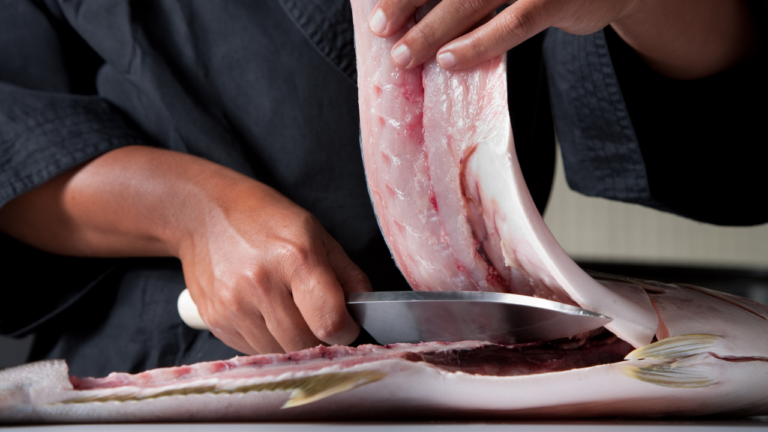
Basics of Fish Cooking: Master How to Fillet and Cut Sashimi!
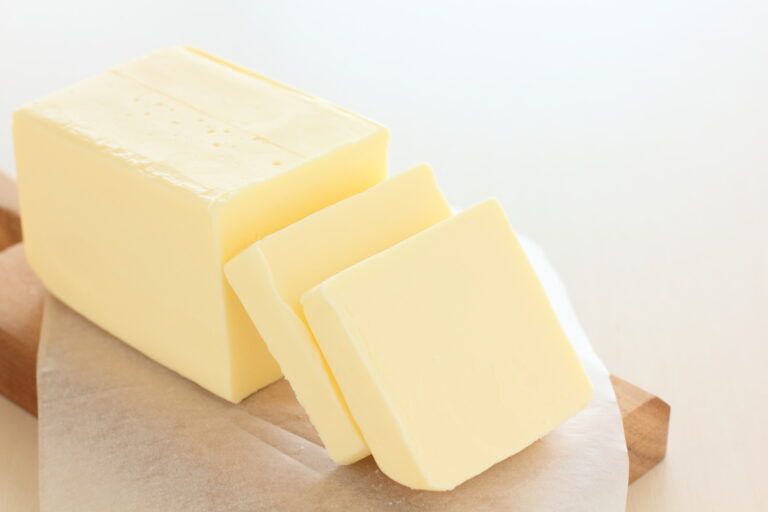
What is the Queen of Butter, "Échiré Butter"? Enjoy AOP-certified fermented butter from France!
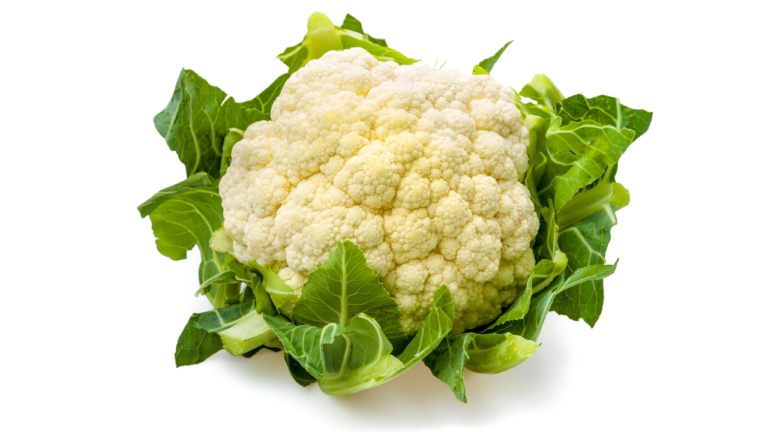
Introducing cauliflower, a vegetable that looks like pure white flowers!
Bamboo shoots scrub recipes | Introducing easy storage and excellent ways to use them!
Rediscovering the charm of sardines – Enjoy Japanese food culture with nutritious recipes