Enjoy the delicious summer vegetable bitter melon! How to remove the bitterness and preserve it for a long time
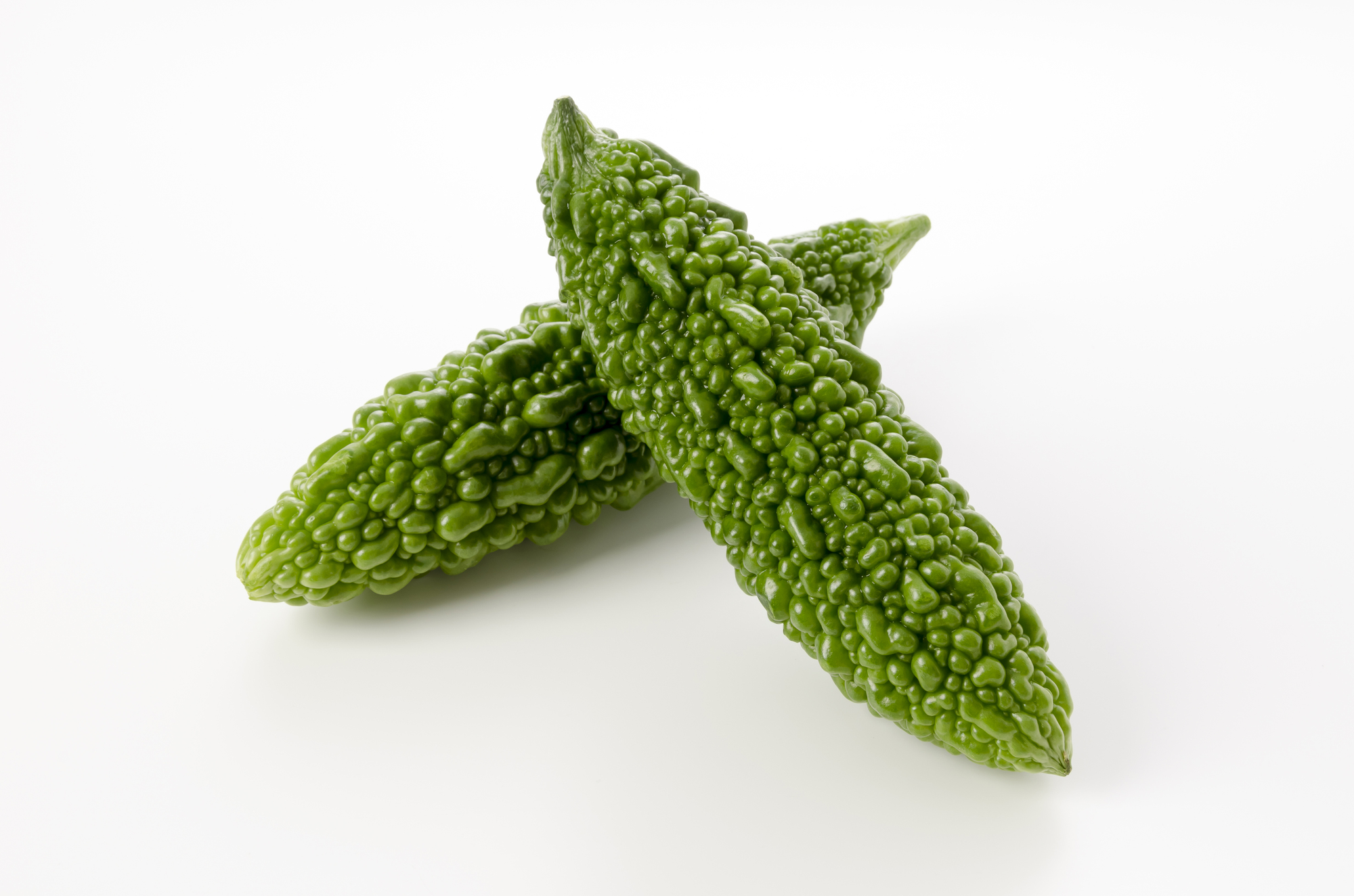
With the arrival of summer, bitter melon begins to appear in supermarkets and farm stands. Characterized by its distinctive bitterness and vibrant green color, this vegetable is known as a representative of Okinawan cuisine, but has now become a popular summer vegetable throughout Japan. However, there are many who say that they "don't really like it" due to its distinctive bitterness
Bitter melon is actually a plant of the Cucurbitaceae family, officially known as "bitter melon." In Okinawa it is called "goya" and on the mainland it is also known as "niguri." This vegetable is said to have been introduced to Japan during the Edo period, and was initially cultivated as an ornamental plant. It was in Okinawa after World War II that it became widely used as a food ingredient. It attracted attention as a symbol of Okinawa's longevity food culture, and eventually spread throughout the country
In this article, we'll introduce tips for preparing bitter melon to effectively control its bitterness, storage methods to use up harvested bitter melon without waste, and some convenient cooking utensils and storage containers. We'll share plenty of tips to enrich your summer dining table
table of contents
Basic preparation techniques to reduce bitterness
The key is to completely remove the pulp and seeds
The most important thing when preparing bitter melon is to thoroughly remove the pulp and seeds. First, cut the bitter melon in half lengthwise and use a spoon to carefully scrape out the seeds and pulp. The trick is to put the spoon in a little deeper so that the white part of the pulp doesn't remain. However, if you scrape too deeply, you will remove the flesh as well, so it's important to use just the right amount of pressure
After removing the seeds and pulp, slice to your desired thickness. The thinner the slices, the easier it is to remove the bitterness, but the texture will also be lost. Generally, a thickness of about 2 to 3 mm is considered to be the best balance between reducing the bitterness and the texture
Salt rub to bring out the bitter components
"Shio-momi" (salt rub) is a traditional method of preparation that has been passed down since ancient times, in which sliced bitter melon is sprinkled with salt and rubbed in. Use about one teaspoon of salt per bitter melon, rub it all over, and leave it for 15 to 30 minutes. This will allow the bitter components to leach out along with the moisture from the bitter melon
After the time has passed, rinse thoroughly under running water and pat dry with kitchen paper. This method is an excellent way to maintain the crunchy texture of the bitter melon while reducing the bitterness. The longer you rub it with salt, the less bitter it becomes, but at the same time, the chewy texture will also be lost, so adjust the time to your liking
Hot water treatment effectively removes bitterness
Another effective method that takes advantage of momordicin's water-solubility is boiling water treatment. Simply blanch sliced bitter melon in boiling water and you can remove a significant amount of the bitterness. The recommended blanching time is about 30 seconds to 1 minute
If you want to remove the bitterness more thoroughly, we recommend pre-boiling for 2 to 3 minutes. However, be careful not to overcook, as this will cause the color to fade and ruin the texture. Once cooked, immediately place in cold water to prevent the color from changing, which will help maintain the bright green color
Get through the summer with clever ways to store bitter melon
Limitations and precautions for storing at room temperature
Freshly harvested bitter melon can be stored at room temperature for 2-3 days as long as the temperature is below 25°C. However, it must be stored in a cool, well-ventilated place. Wrapping it in newspaper and placing it in a vegetable basket will help maintain the appropriate humidity level
However, in midsummer temperatures exceeding 28°C, bitter melon ripens rapidly. The green flesh begins to turn yellow, and the area around the seeds turns red. At this stage, the bitterness decreases, but the unique texture is also lost. For this reason, we recommend avoiding storing bitter melon at room temperature in the summer and switching to refrigeration or freezing as soon as possible
Keeps fresh for over a week when refrigerated
The most important thing when storing in the refrigerator is to remove the seeds and pulp, which are easily damaged. Just by doing this preparatory work, you can significantly extend the shelf life
First, cut the bitter melon in half lengthwise and completely remove the seeds and pulp. Place a paper towel over the cut surface, then wrap it tightly with plastic wrap. It is important to keep the air out. When storing, place the cut side down in the vegetable compartment. This method will keep the melon fresh for about a week to 10 days
The temperature in the vegetable compartment is usually set at 3-8°C, which is the ideal environment for storing bitter melon. The humidity is higher than in the refrigerator compartment, which helps prevent vegetables from drying out
Can be stored for up to one month in the freezer
If you have a large amount of bitter melon, the best way to store it is to freeze it. If you prepare it properly, it can be stored for about a month without losing its quality
The steps for freezing are as follows: First, cut the bitter melon in half lengthwise and remove the seeds and pulp. Next, slice it into slices that are easy to use for cooking (about 2-3 mm thick) and soak in water for about a minute. Wipe off the water thoroughly with kitchen paper, divide into portions according to the amount you will use, and place into freezer storage bags. When doing this, it is important to arrange the slices as flat as possible and remove all air before sealing
If you don't like the bitter taste, it's a good idea to salt and parboil them before freezing them. They can be used in cooking without thawing, so they're great for making bento boxes on busy mornings. If you're adding them to stir-fries or soups, you can just throw them in the pot or frying pan while they're still frozen, which is very convenient

How to choose storage containers used by professionals
Advantages of glass storage containers
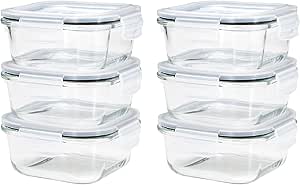
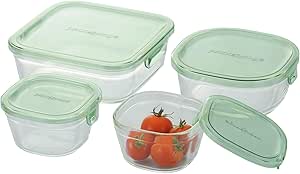
In recent years, more and more households are switching from plastic to heat-resistant glass storage containers. The biggest advantage of glass containers is that they are resistant to odors and color transfer. Even when storing unique vegetables like bitter melon, you don't have to worry about odors remaining in the container
In addition, since it is made of heat-resistant glass, it can be stored in the refrigerator or freezer, as well as heated in the microwave and washed in the dishwasher. You can store prepared bitter melon and then defrost and heat it in the microwave, which greatly reduces the effort required for cooking. The transparency makes it easy to see the contents at a glance, making inventory management easier
Techniques for using different sized storage containers
It is important to use different sizes of storage containers depending on the purpose. We recommend the following types of containers for storing prepared bitter melon
Container size Use Estimated storage capacity 200ml or less For condiments/lunch boxes 1/4 bitter melon 300-500ml Side dish for 1-2 people 1/2-1 bitter melon 600ml-1L Prepared ahead/family portion 2-3 bitter melons 1L or more For bulk storage/pickling 4 or more bitter melons
Smaller containers are convenient for people living alone or small families. Portioning them into small portions for lunch boxes can shorten preparation time in the morning. Larger containers are great for bulk prepping on the weekend
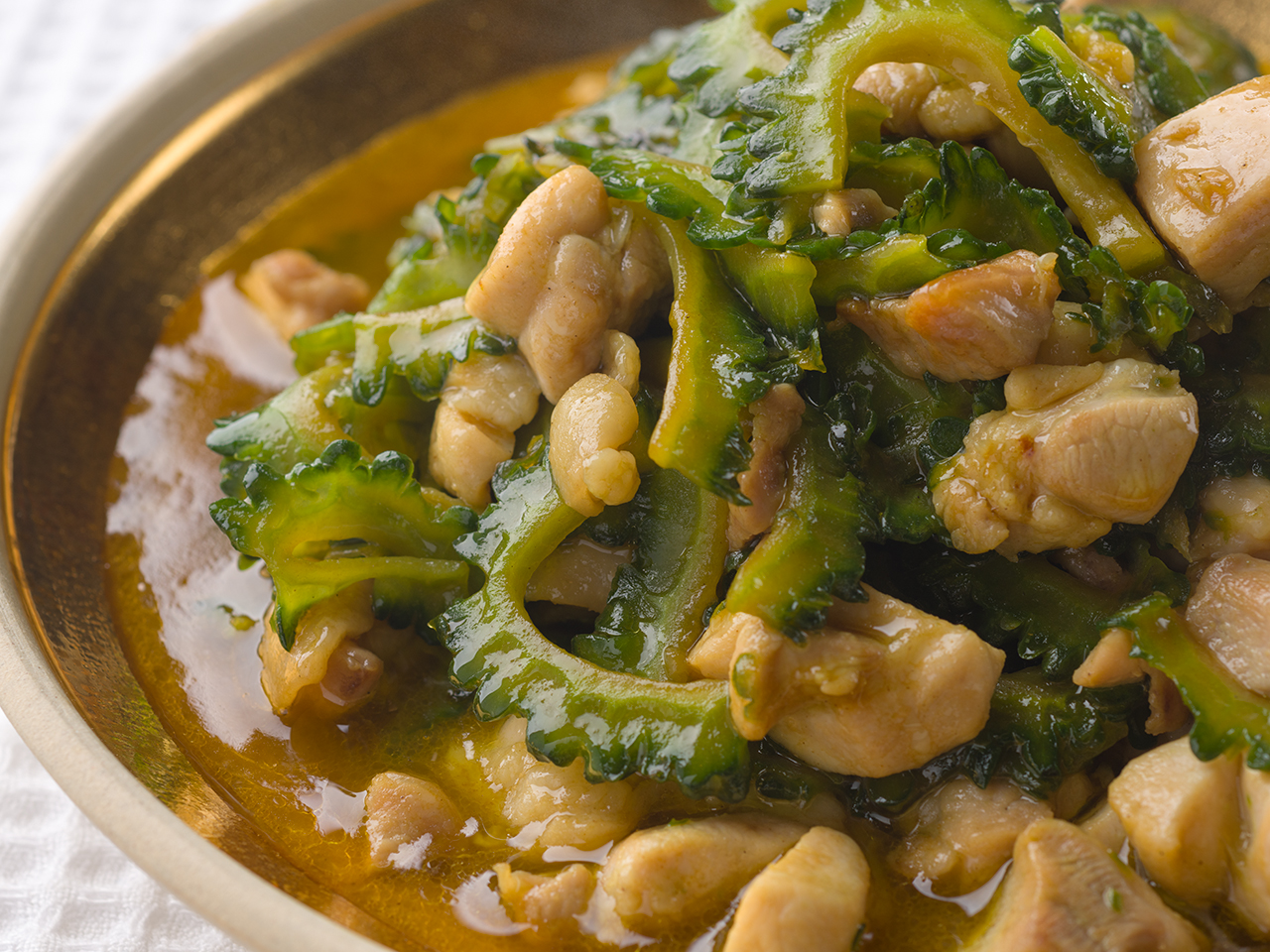
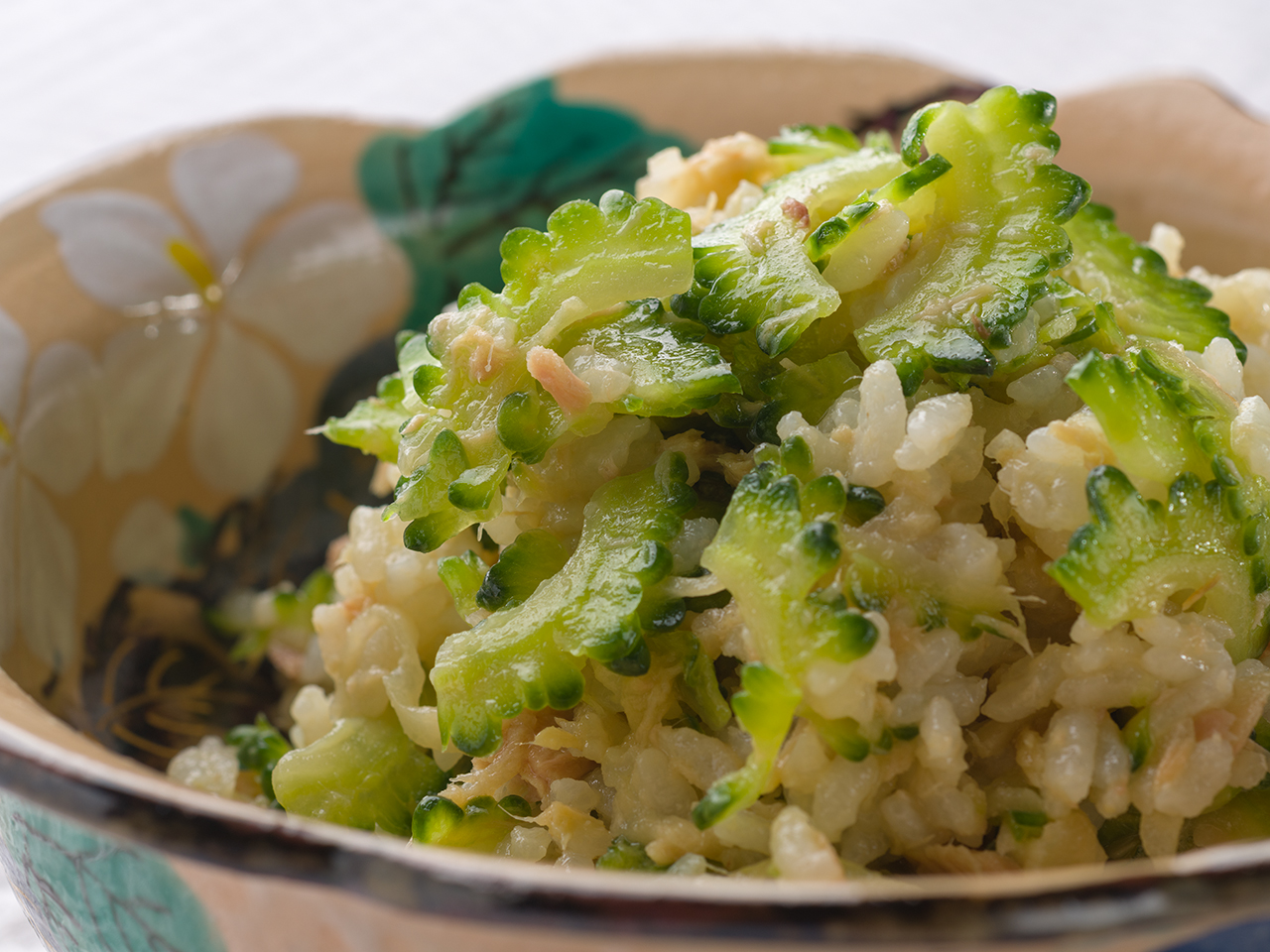
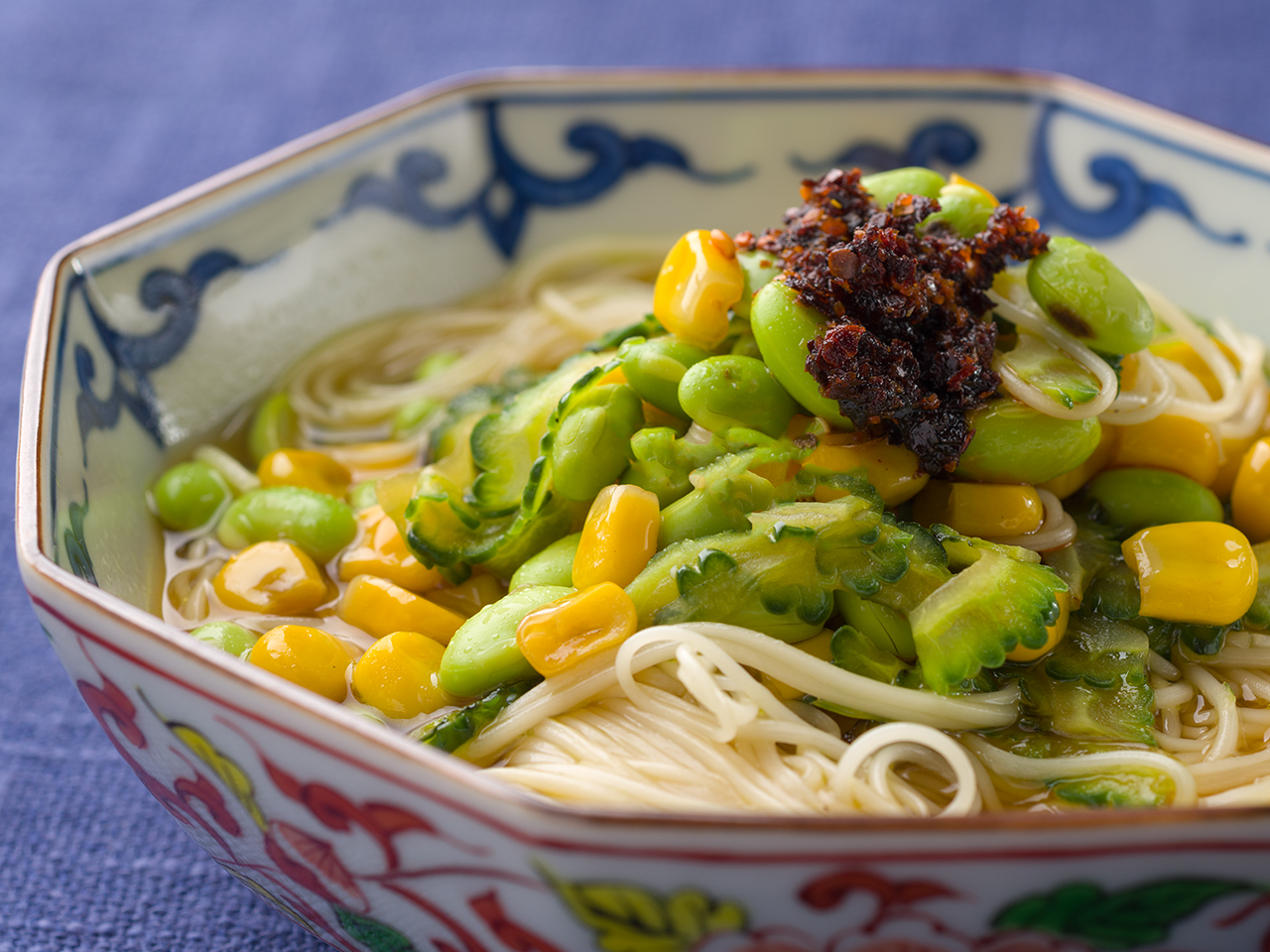
Recommended recipes using bitter melon
summary
Bitter melon is a vegetable that some people love and some hate due to its distinctive bitterness, but with proper preparation and storage techniques, anyone can enjoy it. By mastering basic preparatory steps such as removing the seeds and pulp, salting, and boiling, you can bring out the natural flavor of bitter melon while controlling the bitterness
You can store bitter melon without waste by understanding the characteristics of each storage method: room temperature, refrigeration, or freezing, and using them appropriately


Related Articles
Reproduction recipe: Introducing a recipe for hashed rice cakes bacon cheese!
We'll introduce you to the characteristics of monkfish and some recommended recipes that make the most of its deliciousness!

Introducing Reese Pie, perfect for Christmas!
Perfect for winter! Introducing cream croquettes with scallops!

We explain the various types and features of bacon, as well as other recommended recipes that make use of bacon!