Beat the summer heat! Regain your energy with authentic summer vegetable curry made from spices
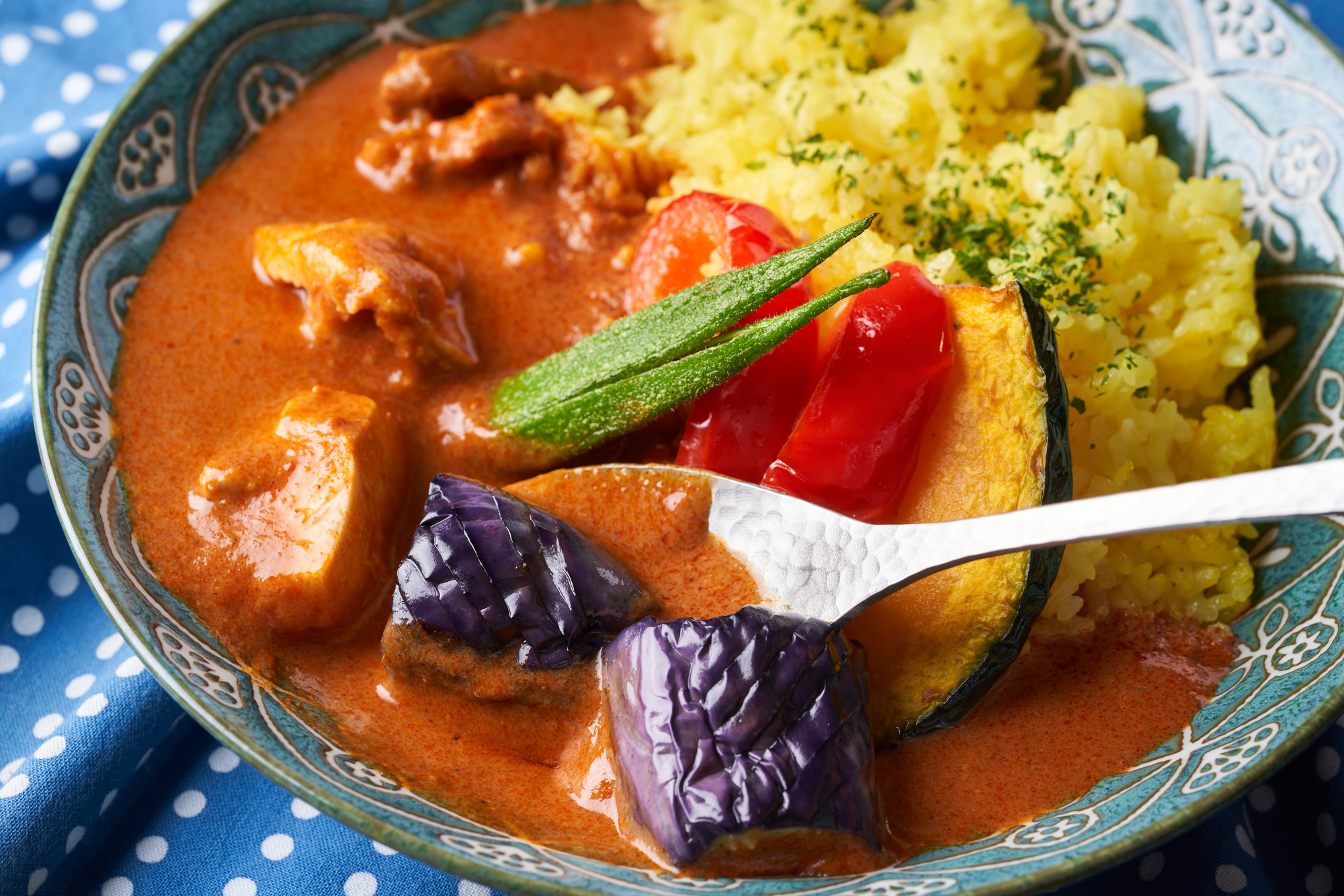
As the rainy season transitions into the height of summer, the humid, muggy weather continues. As the temperature rises, many people lose their appetite and feel a bit sluggish. An authentic summer vegetable curry made from spices can energize your body when you're feeling a bit fatigued from the summer heat
Recently, more and more people are making their own original curry by combining spices without using commercially available curry roux. It may seem difficult, but in fact, as long as you know the basic spices, it's surprisingly easy to enjoy an authentic taste. In this article, we'll introduce the appeal of healthy curry made with plenty of summer vegetables, as well as tips on how to make it
table of contents
- 1 Why curry in summer? Why spicy food is good for you in the hot season
- 2 Enjoy the bounty of summer vegetables in curry
- 3 The three main spices in curry!
- 4 How to make basic spice curry
- 5 Summer vegetable curry recipe
- 6 Items to make spice curry even more enjoyable
- 7 Tips for making successful summer curry
- 8 A curry party for the whole family
- 9 Summary: Stay healthy this summer with homemade curry
Why curry in summer? Why spicy food is good for you in the hot season
Helps regulate body temperature through sweating
There's actually a scientific reason why curry commercials increase in the summer. The spices in curry, especially the capsaicin found in chili peppers, have a sweat-inducing effect, which helps release heat trapped inside the body efficiently. This is the same reason why spicy food is popular in hot countries
In regions with high temperatures year-round, such as India and Southeast Asia, people have long used spicy food to regulate their body temperature. This is truly a form of wisdom for daily life that has been passed down since the days before air conditioning
The aroma of spices stimulates your appetite
One of the biggest problems with summer fatigue is loss of appetite. When the heat weakens the gastrointestinal function, it's hard to feel like eating even when you see food. That's when spices come in handy
The spices used in curry, such as cumin, coriander, and turmeric, have a unique aroma that stimulates the sense of smell and stimulates the secretion of saliva and gastric juices, naturally stimulating your appetite
Enjoy the bounty of summer vegetables in curry
Cooling summer vegetables
Summer vegetables are packed with the bounty of nature to help you get through the hot season. Summer vegetables such as eggplant, tomatoes, cucumbers, okra, and zucchini contain a lot of water, which has the effect of cooling the body from the inside
It is also rich in potassium, which is easily lost through sweat, and helps prevent swelling and regulate the body's fluid balance. By adding these vegetables to curry, the warming effects of the spices and the cooling effects of the vegetables work in balance, helping to relieve summer fatigue without putting strain on the body
Colorful appearance stimulates appetite
Red tomatoes, purple eggplant, yellow peppers, green okra and bell peppers... The appeal of summer vegetables lies in their vibrant colors. Curry filled with colorful vegetables is visually appealing and stimulates the appetite visually
Especially in households with children, even vegetables that they normally dislike often become more palatable when added to curry. It's also a great lunch menu item for summer vacation
The three main spices in curry!
Turmeric - a healthy golden spice
Turmeric, which gives curry its distinctive yellow color and is familiar to Japanese people as "Ukon," contains a compound called "curcumin," which has been scientifically proven to have powerful antioxidant and anti-inflammatory properties
Turmeric is expected to support liver function and have anti-aging effects, and recent studies have shown that it also helps activate brain function. There is even a theory that the low incidence of Alzheimer's disease in India may be due to the daily intake of turmeric
Cumin - the main flavor of curry
When you think of the aroma of curry, the first thing that comes to mind is the scent of cumin. Its unique ethnic aroma is the very face of curry. Cumin aids digestion and is effective in stimulating appetite and promoting digestion
It is also known that the "plant sterols" contained in cumin have the effect of suppressing cholesterol absorption in the body. It is an essential spice in Middle Eastern and Mexican cuisine, and it is easy to see why it is loved all over the world
Coriander - the secret to a refreshing aftertaste
Powdered coriander seeds are essential for curry. In fact, coriander and cilantro are the same plant. The leaves are called cilantro, and the seeds are called coriander seeds
Unlike fresh coriander, when the seeds are dried and ground into powder, they have a sweet, refreshing, and slightly spicy aroma. They have been used as a medicinal herb since ancient Egypt and Greece, and have been valued as a stomach medicine to aid digestion. Adding them to curry gives it a refreshing aftertaste and makes it less heavy
How to make basic spice curry
Materials and tools needed
You don't need any special equipment to make spice curry. A regular pot or frying pan you have at home will do. The basic spices are as follows:
Basic spices (serves 4)
- Turmeric: 1 teaspoon
- Cumin (powder): 2 teaspoons
- Coriander (powder): 2 teaspoons
- Chili pepper (powder): 1/2 to 1 teaspoon (to taste)
Other ingredients
- 2 onions (chopped)
- Tomatoes: 2 (chopped) or 1 can of tomatoes
- Garlic: 2 cloves (minced)
- 1 piece of ginger (chopped)
- Your favorite summer vegetables: a moderate amount
- 300g chicken or pork (bite-sized pieces)
- Salt: appropriate amount
- Oil: 3 tablespoons
Basic steps for spice curry
- To caramelize the onions, heat oil in a pan over medium heat and sauté the minced onions. The key is to sauté them slowly until they turn a caramel color, being careful not to burn them. This will form the base of the curry's richness and sweetness.
- Add garlic and ginger. Once the onions have turned caramelized, add the garlic and ginger and sauté until fragrant.
- Add the tomatoes and sauté them, crushing them as you go, until the moisture evaporates. Sautéing them thoroughly until they become a paste will mellow the acidity and concentrate the flavor.
- Reduce the heat before adding the spices . Stir quickly as they burn easily. It's ready when the aroma of the spices becomes noticeable
- Add the meat and vegetables and simmer. Once the meat is cooked through, add the vegetables and water and simmer. Since different vegetables cook at different rates, add the harder vegetables first.
- adjust the seasoning with salt. Salt is crucial for the flavor of spice curry, so add it little by little while adjusting the amount.
Summer vegetable curry recipe
Refreshing eggplant and tomato curry
This curry, which mainly uses eggplant and tomato, two classic summer vegetables, is characterized by its refreshing taste. If you deep-fry the eggplant before adding it, you can enjoy its creamy texture. Finishing it off with shiso leaves and myoga ginger makes it an even more summery dish
Colorful okra and corn curry
This curry, which combines okra, which has a sticky texture that is good for your body, with sweet corn, is popular with children. The trick is to add the okra at the end to keep it crunchy. The sweetness of the corn helps to tone down the spiciness of the spices
Mediterranean-style zucchini and pepper curry
Using zucchini and peppers makes for a curry with a Mediterranean feel. If you fry the vegetables in olive oil before adding them, it will have a more authentic flavor. If you sprinkle basil on top to finish, you can enjoy an Italian taste
Items to make spice curry even more enjoyable
Decorate your dining table with stylish curry plates
You'll want to enjoy your homemade spice curry in a beautiful dish. A deep dish made specifically for curry will allow you to beautifully present even curry with plenty of ingredients

Calm colors like navy and gray are also popular, as they make the yellow of the curry stand out and make it look even more delicious

Get started easily with this authentic spice set
If you want to try making spice curry but don't know where to start, we recommend a product that comes with a set of basic spices

Spice sets from well-known manufacturers are of high quality, and some are formulated to be easy to use even for beginners

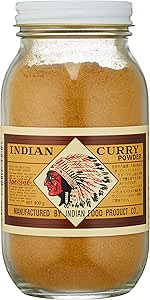
Easy to make with traditional curry powder
If you find it troublesome to gather all the spices one by one, we also recommend pre-blended curry powder
Tips for making successful summer curry
Make a difference with vegetable preparation
To incorporate summer vegetables into curry in a more delicious way, it's important to prepare each vegetable in a way that suits it
Preparing the eggplant: After cutting the eggplant, soak it in water to remove the bitterness. Adding it after deep-frying will give it a tender texture and allow the spices to penetrate well.
To prepare okra , rub it with salt to remove the fuzz, then blanch it briefly before using. It's best to add it towards the end of cooking, as overcooking will release too much of the slimy substance.
Tomato preparation: If using fresh tomatoes, blanching them in hot water will improve the texture. Removing the seeds will prevent them from becoming watery.
The basics of handling spices
Many spices are sensitive to heat, so there are some tricks to handling them
Distinguishing between whole and powdered spices: Whole spices such as cumin seeds are first sautéed in oil to bring out their aroma (tempering). Powdered spices burn easily, so add them after reducing the heat.
Spice Storage: Spices are sensitive to light and moisture, so store them in an airtight container in a cool, dark place. Since their aroma dissipates easily, it's best to use them up as soon as possible after opening.
Prepared meals and arrangements
Curry is a dish that is perfect for making in advance. By leaving it overnight, the spices and ingredients blend together, giving it a deeper flavor
Tips for freezing: Freezing in small portions makes it convenient for busy lunch days. You can thaw it in the microwave, but it will taste even better if you reheat it slowly in a pot.
Remake Ideas
- Curry udon: Dilute with dashi and pour over udon noodles
- Curry Doria: Curry and cheese on top of rice, baked in the oven
- Curry croquette: Mix with potatoes and fry
- Curry bread: wrapped in bread dough and baked or fried
A curry party for the whole family
Adjust the spiciness to satisfy everyone
If family members have different preferences for spiciness, it is recommended to make the base curry mild so that each person can adjust the spiciness later
Ideas for adjusting the spiciness
- Add garam masala later
- Garnish with pickled green chilies
- Prepare the chili oil
- Freshly ground black pepper
For children, you can add yogurt or cream to make it milder
Double the fun with toppings
One of the joys of curry is the variety of toppings. It's fun to have a few on hand so that each family member can choose their favorite
Recommended toppings
| topping | Features | Recommended combinations |
|---|---|---|
| Boiled eggs | Mellowness Plus | Great with keema curry |
| cheese | Richness and richness | Tomato-based curry |
| Fukujinzuke | Refreshing texture | Goes well with any curry |
| Pickled radish | Accented with acidity | Curry with lots of meat |
| Fried vegetables | Crispy texture | To finish vegetable curry |
| Nuts | Aroma and texture | Ideal for dry curry |
Characteristics of curry in each country
- India: It varies greatly by region. The north is creamy, the south is thin.
- Thailand: Uses coconut milk and herbs. Green, red, yellow, etc.
- Sri Lanka: Spicy and flavorful. Coconut is also used.
- Japan: Thick and sweet. A national dish that has undergone its own unique evolution.
Learning about the characteristics of each country will broaden the scope of your own curry making
Summary: Stay healthy this summer with homemade curry
A summer vegetable curry made with spices is the perfect dish for those feeling a bit fatigued from the summer heat. The beneficial effects of the spices will stimulate your appetite, and the benefits of summer vegetables will replenish the body with the fluids and minerals it needs
We recommend starting with the three basic spices (turmeric, cumin, and coriander) and gradually adding more spices as you get used to it. The possibilities for variation are endless, as you can adjust the spiciness to suit your family's tastes and try different vegetables
This authentic curry is rich in the aroma of spices, unlike commercially available curry roux. Once you try making it, you'll be amazed at how delicious it is and how easy it is to make. This summer, why not try making your own homemade spice curry and get through the hot season in good health!
We also introduce special epi recipes!





Related Articles
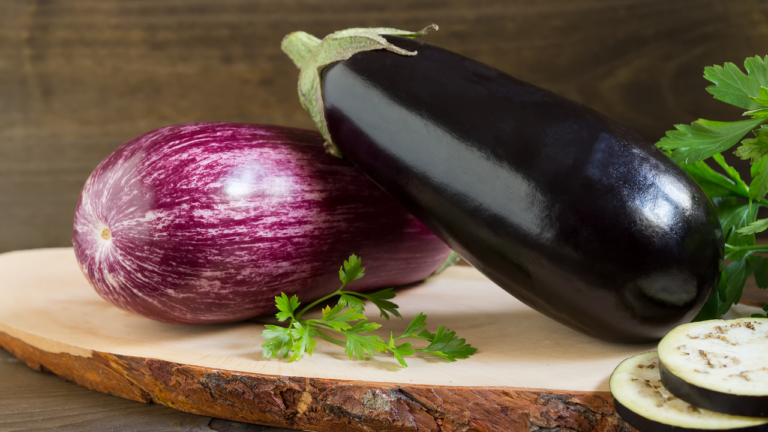
Introducing eggplant varieties, characteristics, recipes, and more: a versatile vegetable that can be used in any dish!
Discover the new charm of lettuce! 3 delicious recipes that make the most of its crunchy texture

A recipe for authentic Twice Cooked Pork for your Golden Week home party!
Rediscover the charm of winter melon! Introducing the health benefits and recipes of multifunctional ingredients that you can enjoy in the summer harvest until winter!
For a lunch box for your new life! Cucumber and wakame vinegar recipe