Explaining the history, nutrition, and appeal of pumpkins!
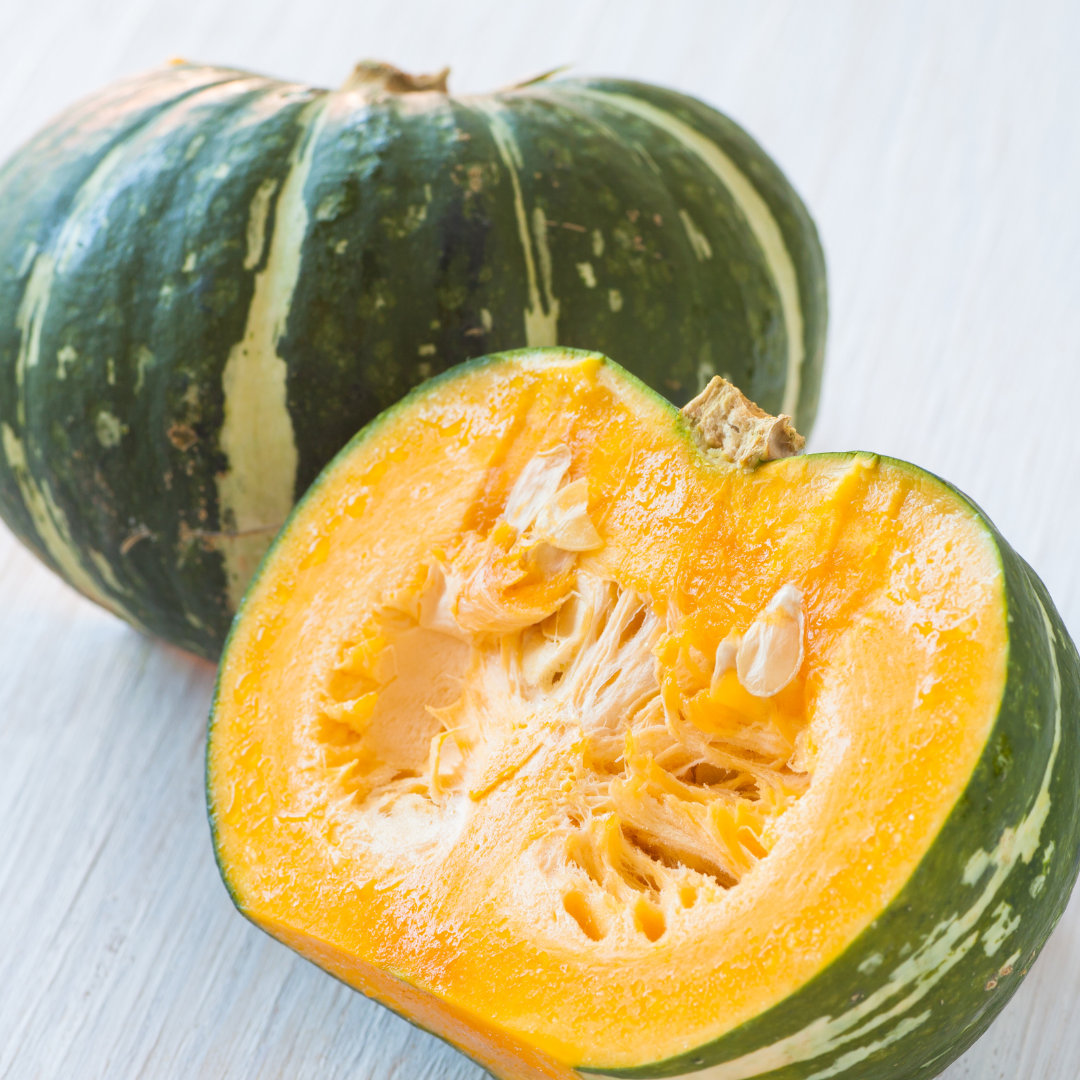
table of contents
Introduction
Pumpkin is one of the most popular vegetables in the world thanks to its unique sweetness and high nutritional value. With its orange flesh and rounded shape, this vegetable has a wide range of culinary possibilities
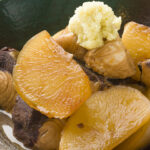
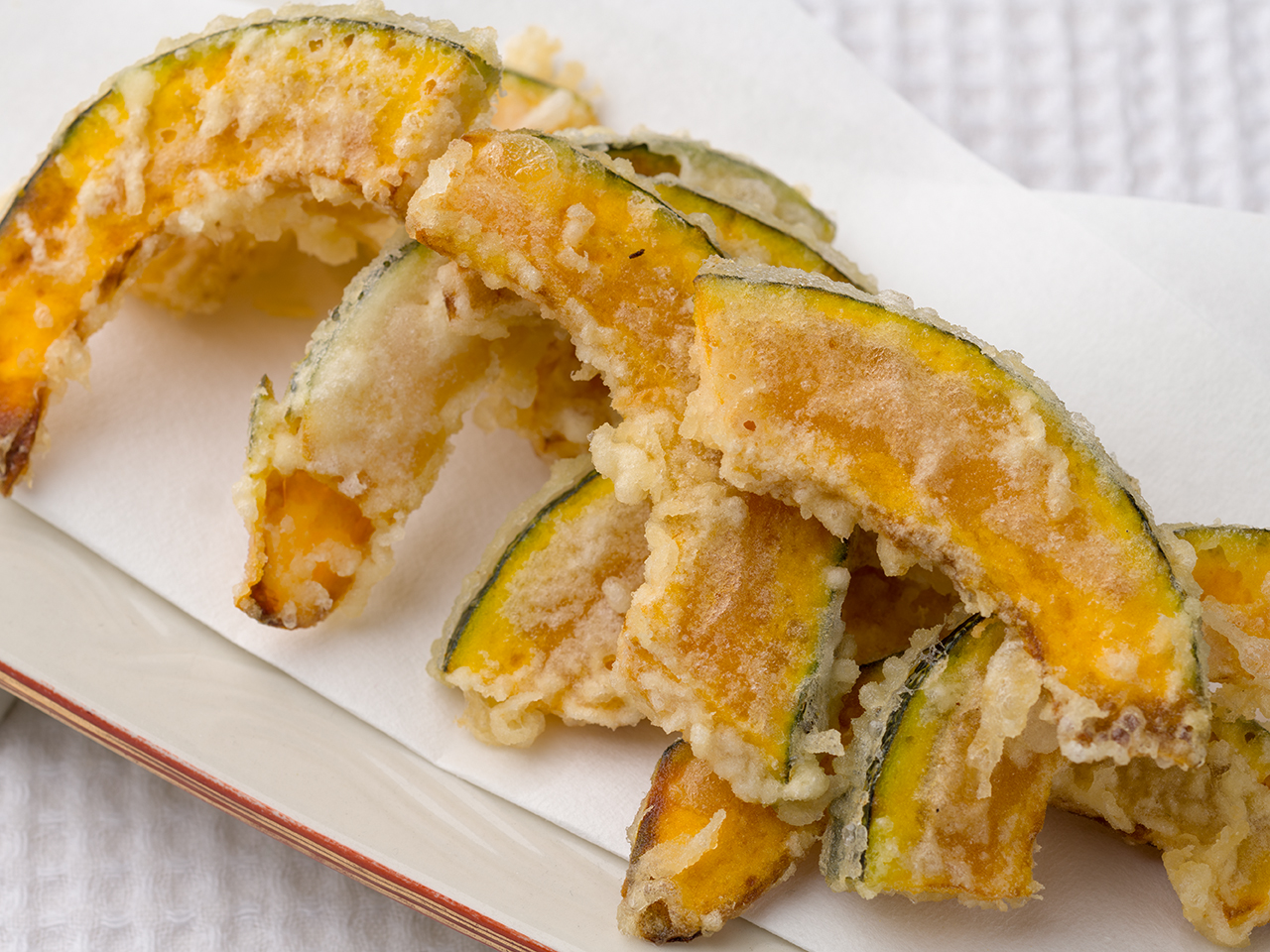
In Japanese food culture, pumpkins are enjoyed in a variety of ways, from simmered dishes to tempura, but many people may not be familiar with their rich history and surprising nutritional value
In this article, we explore the pumpkin's fascinating history and diverse health benefits, learn how to grow it, learn about popular varieties, and find delicious recipes anyone can make
We hope that by gaining a deeper understanding of the appeal of pumpkin, you will be able to enjoy this wonderful vegetable even more and incorporate it into your daily diet
The Wonders of Pumpkin: History and Nutrition
Kabocha (pumpkin) is a popular vegetable on the Japanese table, but there are some interesting aspects to its origins and nutritional value. Native to North and South America, this vegetable arrived in Japan in the 16th century on Portuguese ships via Cambodia, and the name "kabocha" (pumpkin) is derived from this route
Nutritionally, pumpkins are a rich source of various vitamins and minerals, most notably:
- Beta-carotene : Rich in
- Vitamins E and C : Antioxidant effect
- B vitamins : Improved nutritional balance
The skin and seeds are also highly nutritious, with the seeds containing unsaturated fatty acids, potassium, and magnesium
Pumpkin varieties and cultivation
Pumpkins prefer warm climates and are primarily grown in Japan from spring to summer. The main varieties include:
- Western pumpkin : Sweet and fluffy, it is suitable for simmered dishes and soups.
- Japanese pumpkin : It has a lot of water and does not easily fall apart when cooked, making it suitable for simmering and steaming.
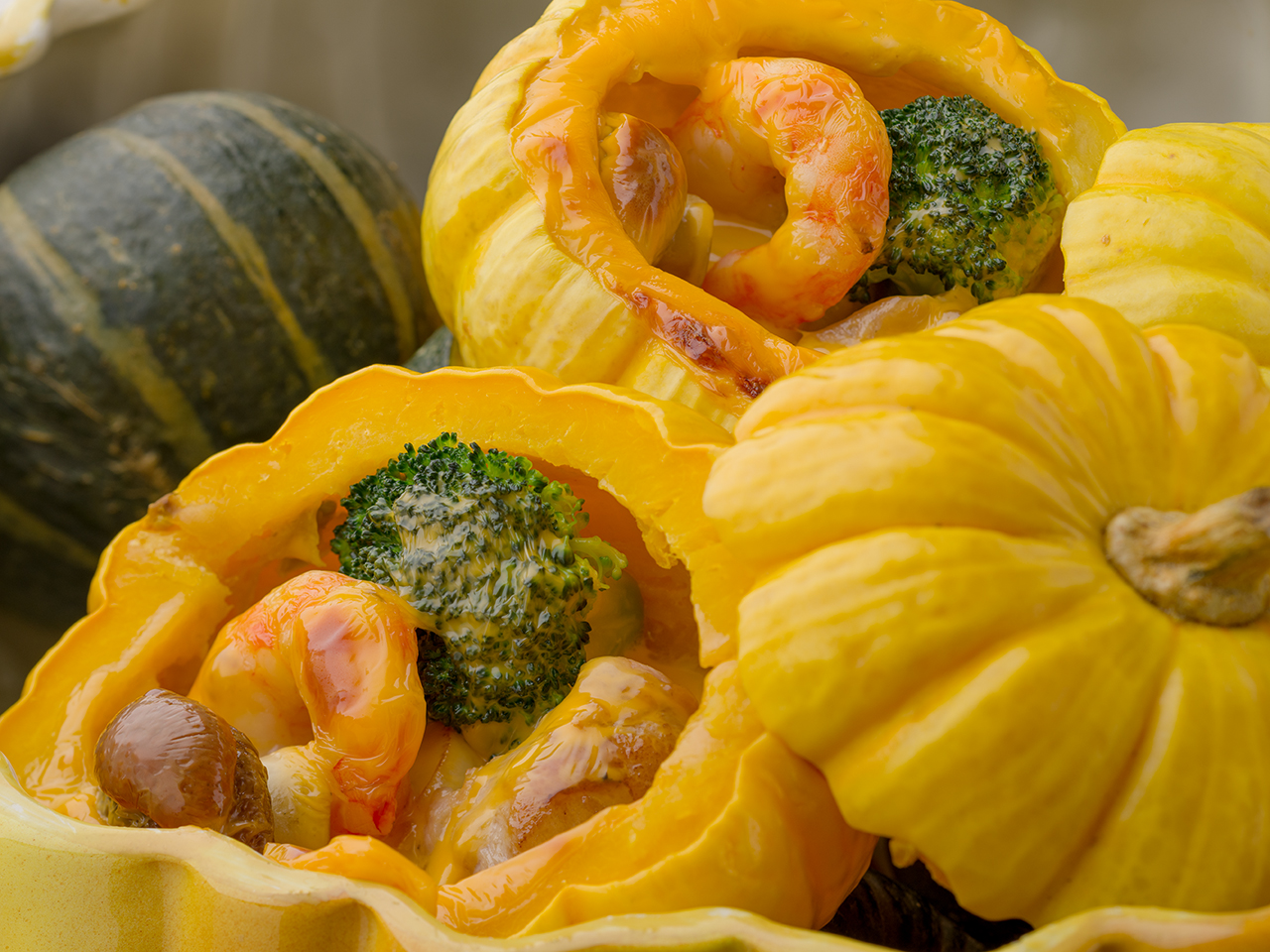
- Pepo pumpkin : A variety with unique characteristics.
Easy simmered pumpkin recipe
material:
- 1/4 pumpkin (approx. 300g)
- 200ml dashi stock
- 1 tablespoon soy sauce
- 1 tablespoon mirin
- 1 tablespoon sugar
- a little salt
Cooking Instructions:
- Cut the pumpkin into bite-sized pieces and remove the seeds and pulp
- Add the seasonings to a pot and bring to a gentle boil
- Add the pumpkin, cover and simmer over medium heat for about 15 minutes
- Turn off the heat and let it cool a little to allow the flavors to blend better
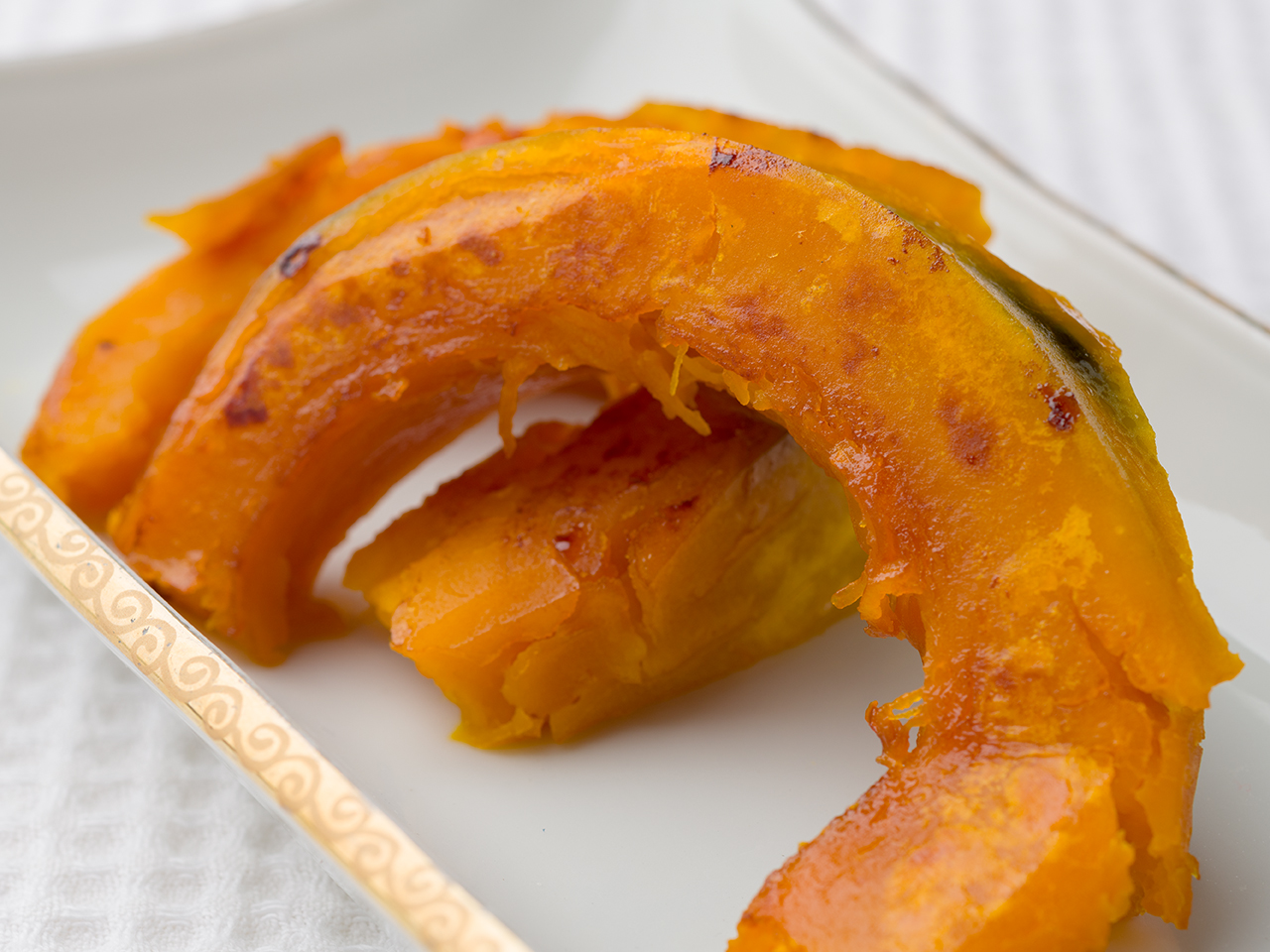
This stew brings out the natural sweetness of the pumpkin and allows you to enjoy the flavor of the ingredients
Health benefits and precautions of pumpkin
The beta-carotene contained in pumpkin is converted into vitamin A in the body, contributing to maintaining eyesight and healthy skin. Its antioxidant properties also help improve immunity and prevent aging. However, be careful not to consume too many calories and make sure to consume in moderation.
summary
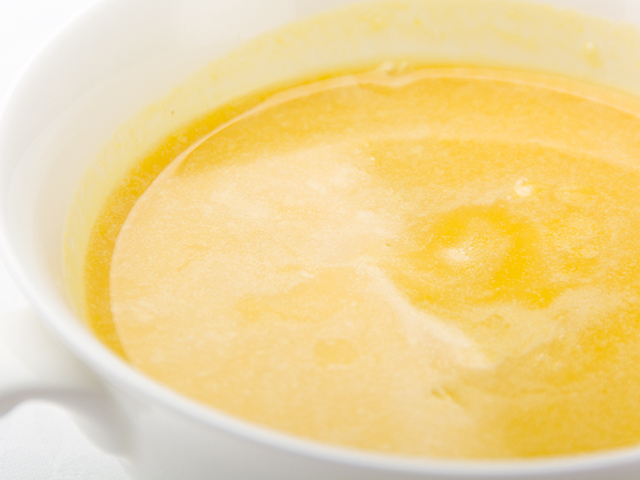
Pumpkin is highly nutritious, with plenty of vitamins and minerals to help maintain good health, and can be used in a variety of dishes. It's a versatile vegetable that can be used in a wide range of dishes, from stews to soups and desserts, so why not try incorporating it into your daily meals?
Please feel free to use this recipe as a reference



Related Articles
Seasonal and how to enjoy clams: We introduce delicious recipes, from grilled clams to clam chowder!
An explanation of the charms of Sayaingen and recommended ways to eat it!
We'll introduce you to the characteristics of monkfish and some recommended recipes that make the most of its deliciousness!
The basics of cooking! Accurate measurement tips and how to use equipment
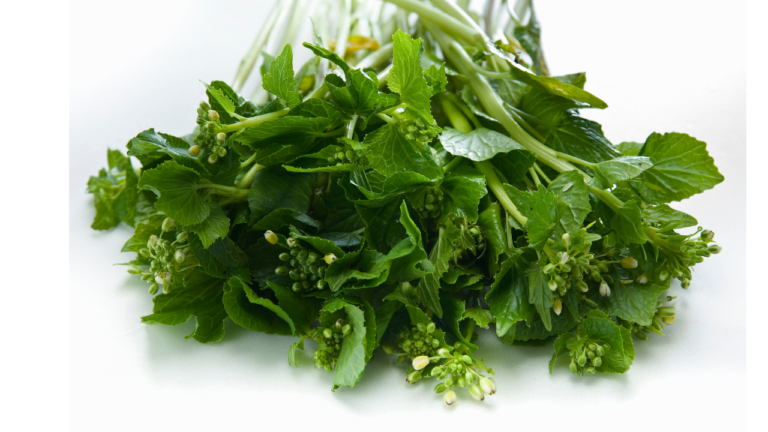
Learn about rapeseed flowers, a vegetable that represents spring in Japan! We also introduce recipes that will make them even more accessible and enjoyable!